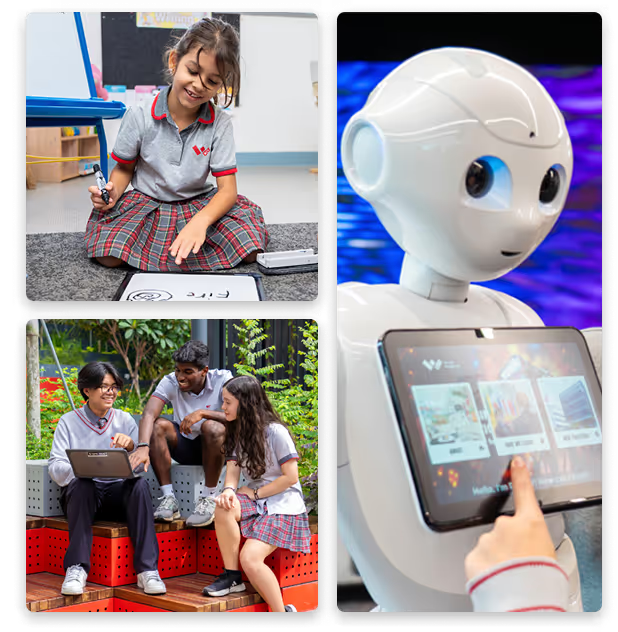


Navigating the world of school life can be an exciting but also a daunting experience for students. On one side of the coin, it brings the excitement of new experiences, friendships, and opportunities for personal growth. But on the flip side, they may encounter academic pressures, from adapting to a new learning environment to coping with their daily homework. Balancing academics with extracurricular activities and personal commitments can also be overwhelming.
The secret to overcoming these struggles lies in providing students with effective support systems that promote and prioritise their well-being and academic success.
This is where student counselling becomes a powerful catalyst for their growth. Student counselling is an invaluable and essential asset within educational institutions, providing crucial support and guidance to students. It not only assists them in overcoming any obstacles they encounter but also empowers them to navigate challenges effectively, thus maximising their potential for future success.
In Singapore, the counsellor-to-student ratio is estimated to be 1:800. However, some schools are proactively enhancing the accessibility of their counselling services and prioritising the well-being of their students.
In this article, we’ll take a closer look at the concept of student counselling and debunk common misconceptions associated with it. Additionally, we will explore the issue of student stress in Singapore, the specific challenges encountered by international students, and the valuable support provided by the XCL World Academy’s student counselling and career guidance programme.
Debunking Student Counselling Myths
Student counselling should no longer be viewed as a taboo subject requiring secrecy. Instead, it should be embraced as a vital catalyst for personal development and academic success. Its advantages reach well beyond societal stereotypes and common misunderstandings.
Let’s correct some of these stereotypes and misconceptions:
1. Student counselling signifies weakness
Some people believe that seeking counselling is a display of weakness and it’s only suited to people incapable of resolving challenges on their own. However, this belief is far from accurate.
In reality, seeking counselling requires great courage and signifies the acknowledgement of the importance of receiving support. Students who bravely engage in counselling demonstrate their desire to grow personally and enhance their well-being. This decision empowers them to overcome obstacles and develop inner resilience.
2. Student counselling is only for students with mental health disorders
Another prevailing misconception about student counselling is that it’s only suitable for students with mental health disorders. But in reality, student counselling is beneficial for all students. Regardless of whether they are experiencing academic stress, career indecision, or personal struggles, counselling provides a safe space for students to express their concerns and develop helpful coping mechanisms.
3. There is no difference between guidance counsellors and teachers
The roles of teachers and counsellors work together to support the growth and success of students, yet their functions within a school setting differ. While teachers dedicate themselves to sharing knowledge and providing guidance across different subjects to ensure students’ academic learning and success, counsellors possess specialised training to assist students in exploring their thoughts, emotions, and perspectives.

They can also provide valuable support in exploring personal challenges, building resilience, and developing coping strategies. Together, teachers and counsellors contribute to student’s holistic development, addressing their academic and emotional well-being.
4. Student counselling is time-consuming and impractical
Given their hectic schedules, some students believe that counselling sessions are just a waste of their time. They see it as a distraction from their studies since they’re usually long and impractical.
However, student counselling programmes are thoughtfully structured to accommodate the scheduling needs of students. The sessions can be tailored to fit within their academic commitments, making counselling a manageable and valuable part of their lives. Short-term counselling interventions can also be provided for minor and specific concerns, ensuring that students receive timely support when needed.
5. Student counselling is a one-size-fits-all approach
Recognising that each student faces distinct struggles, challenges and requirements, guidance counsellors adopt a personalised approach that takes into account these individual differences. They employ tailored techniques and interventions, ensuring that their students receive support that aligns with their specific goals and needs. By customising their approach, guidance counsellors provide targeted assistance to empower students on their unique journeys.
Examining Stress Levels Among Students and How Student Counselling Can Help
In this section, we will delve into the factors contributing to stress levels among students and explore the role of student counselling in addressing these challenges.
What percentage of students is stressed in Singapore?
Students in Singapore experience high stress levels due to the competitive education system, high expectations from parents, heavy workloads, limited free time, and high-stakes examinations. The emphasis on academic success and the pressure to excel contribute to students’ stress and anxiety. The demanding nature of the education system often leaves little room for work-life balance, leading to burnout.
Studies have shown that holistic education and well-being are receiving growing recognition from the government, schools and parents, leading to initiatives to enhance support and foster a healthier educational atmosphere in Singapore.
Challenges and stress faced by international students in Singapore

Starting a new academic journey can be unsettling for any student. For international students, the prospect of relocating to a foreign country alone brings forth a unique array of challenges. However, the situation becomes even more daunting when students must adapt to unfamiliar customs and an educational setting to thrive.
International students may encounter significant differences in the educational system of Singapore compared to their home countries. Teaching methods, curriculum structures, grading systems, and classroom dynamics can vary significantly. Such a transition can lead to feelings of confusion and unfamiliarity, which may temporarily impact the academic performance of international students.
International students may need assistance comprehending local customs, traditions, and etiquette, which can influence their interactions with peers and faculty. Furthermore, for non-native English speakers, language barriers can amplify these challenges, rendering effective communication and establishing meaningful connections even more demanding.
The Crucial Role of Student Counselling on Wellbeing
Student counselling plays a vital role in providing students with essential guidance as they navigate the demanding pressures in both their academic and personal lives. Let’s delve deeper into the extensive benefits of student counselling, highlighting how it can assist your children in effectively managing and overcoming the challenges they encounter:
- Emotional support: Guidance counsellors create a safe space for students to express their daily concerns, anxieties, and emotions concerning the pressures they face. They also help students develop effective coping strategies to manage their academic and personal stress and pressures.
- Stress management techniques: Student counselling gives students the tools to manage their stress. This can include relaxation exercises, mindfulness practices, time management strategies, and self-care recommendations to help them build resilience and improve their well-being.
- Cultural adjustment support: Student counselling can also help international students adjust to the new culture. It can give them valuable support in effectively making friends and dealing with personal problems such as homesickness and loneliness. They can also help with communication issues, especially when dealing with people from different cultures.
- Academic and career guidance: With their expertise, guidance counsellors can help your children find the best way to improve their study habits and achieve higher grades. In addition, they can provide professional advice on how they can better make informed decisions about their future education and career goals.
- Referral and collaborative approach: Student counsellors collaborate with other professionals, such as psychologists, career advisors, and academic staff, to ensure holistic support for students. When necessary, counsellors may refer students to external resources or specialists, ensuring they receive comprehensive assistance.
In conclusion, student counselling is an invaluable resource that offers guidance and support to students facing high-stress levels in their academic and personal lives. By providing emotional support, stress management techniques, academic guidance, decision-making skills, personal development, and mental health support, student counselling equips students with the necessary tools to overcome challenges, thrive academically and flourish personally.
The Importance of Student Counselling at XCL World Academy
At XCL World Academy (XWA), we beleive that each learner is unique. With students joining us from diverse cultural backgrounds, it is crucial for us to understand their social, emotional and academic growth. By gaining insight into their strengths and areas for improvement, we can customise their education to foster greater levels of personalised learning. Our school is committed to meeting the individual needs of our diverse learning community through our caring and dedicated teams in Learning Support, Counselling and Pastoral Leadership.

Through our Learning Support team, we provide specialised assistance to students who require additional help to reach their full potential. Our Counsellors are readily available to address students’ social and emotional well-being, providing guidance and support along their educational journey. Our Pastoral Leadership team also ensures that each student receives the necessary care and attention to thrive within our learning environment.
By recognising and embracing the unique qualities of each student, we create an inclusive and supportive atmosphere that encourages personal growth and success.
At XWA, we highly prioritise understanding and catering to the individual needs of our students through our comprehensive support program and personalised attention. This approach lays the groundwork for a transformative and enriching educational experience. If you would like to learn more about our student counselling programme, we encourage you to contact our Admissions Team today.

.jpg)