
Main pool
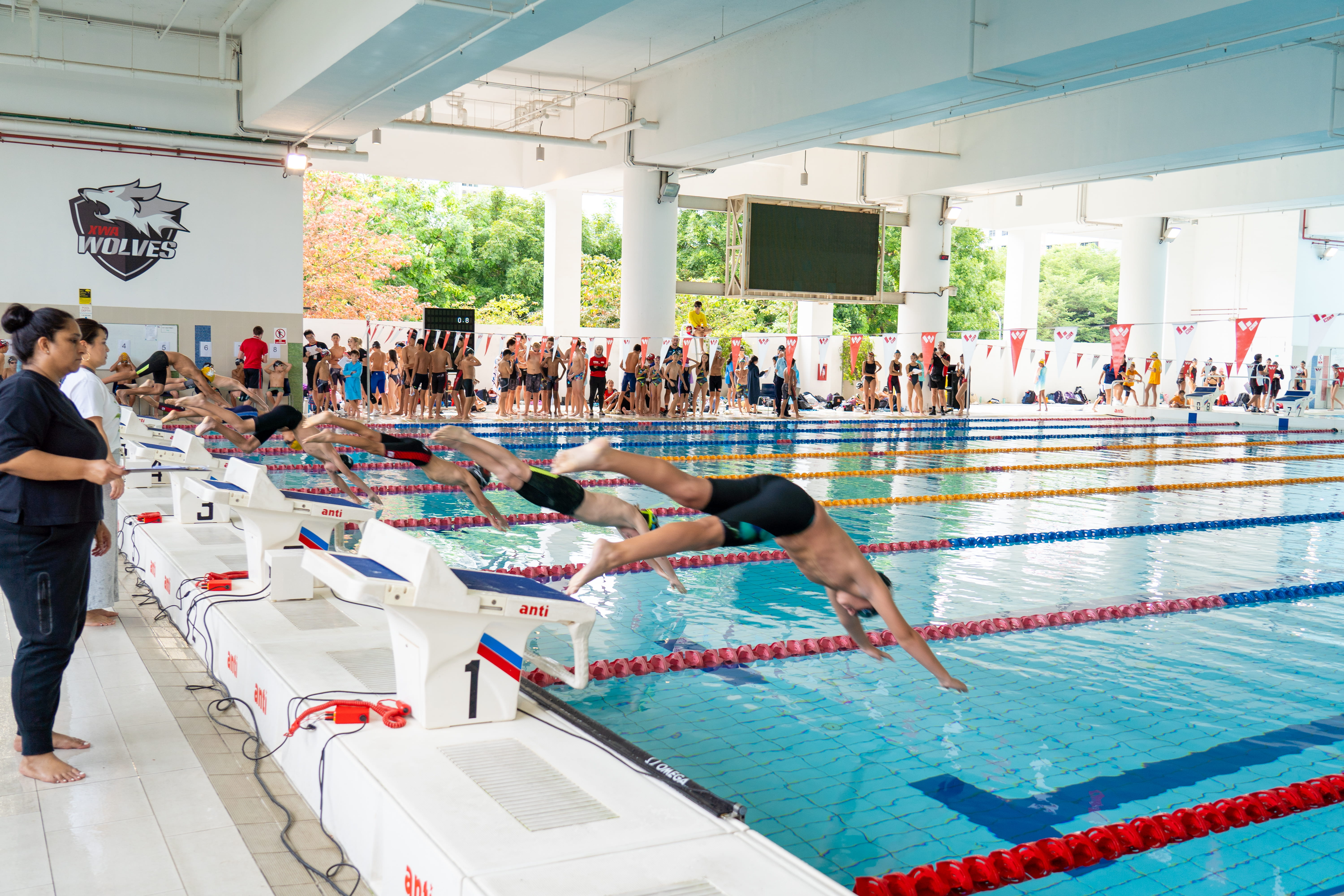
50-metre Olympic-sized pool

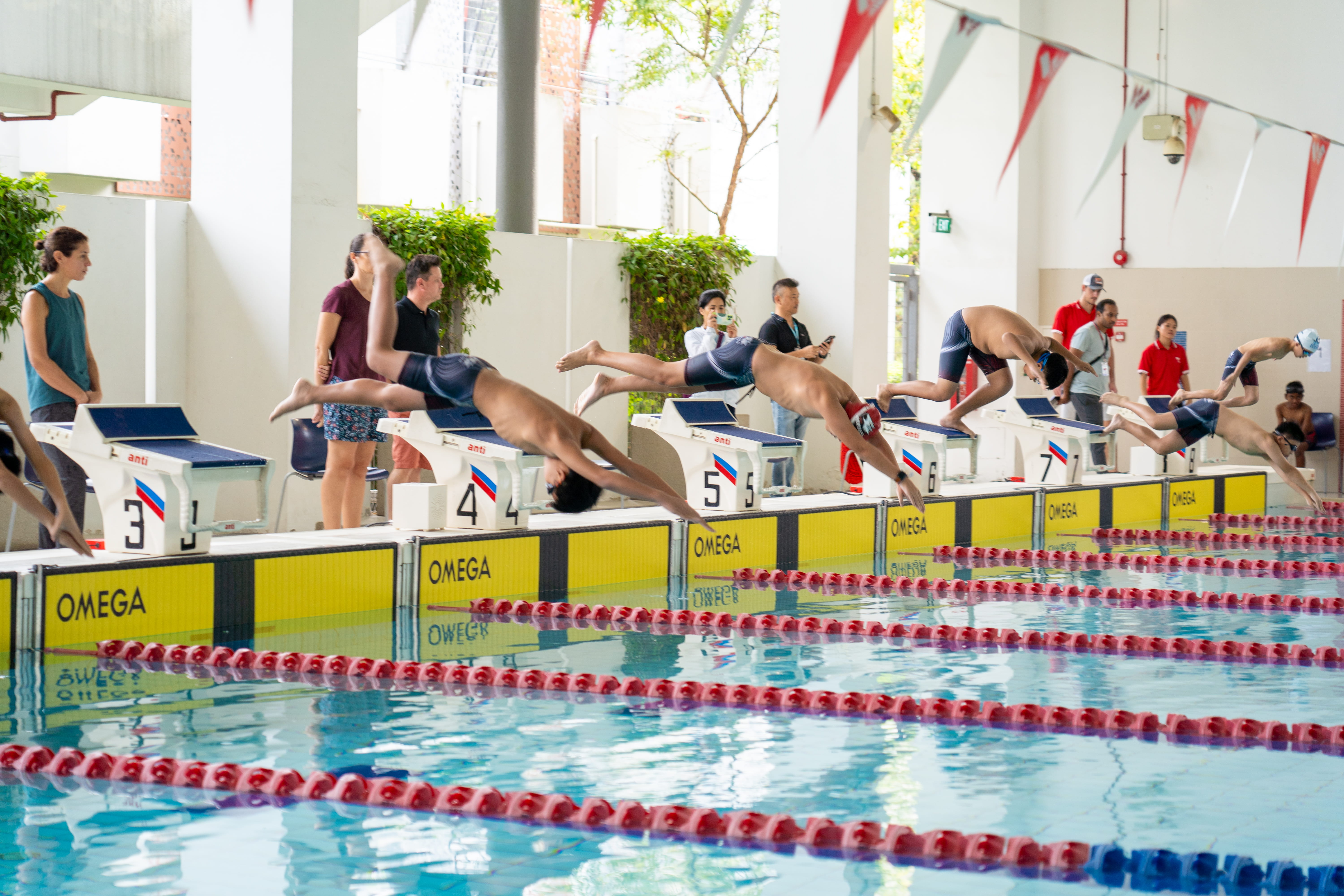
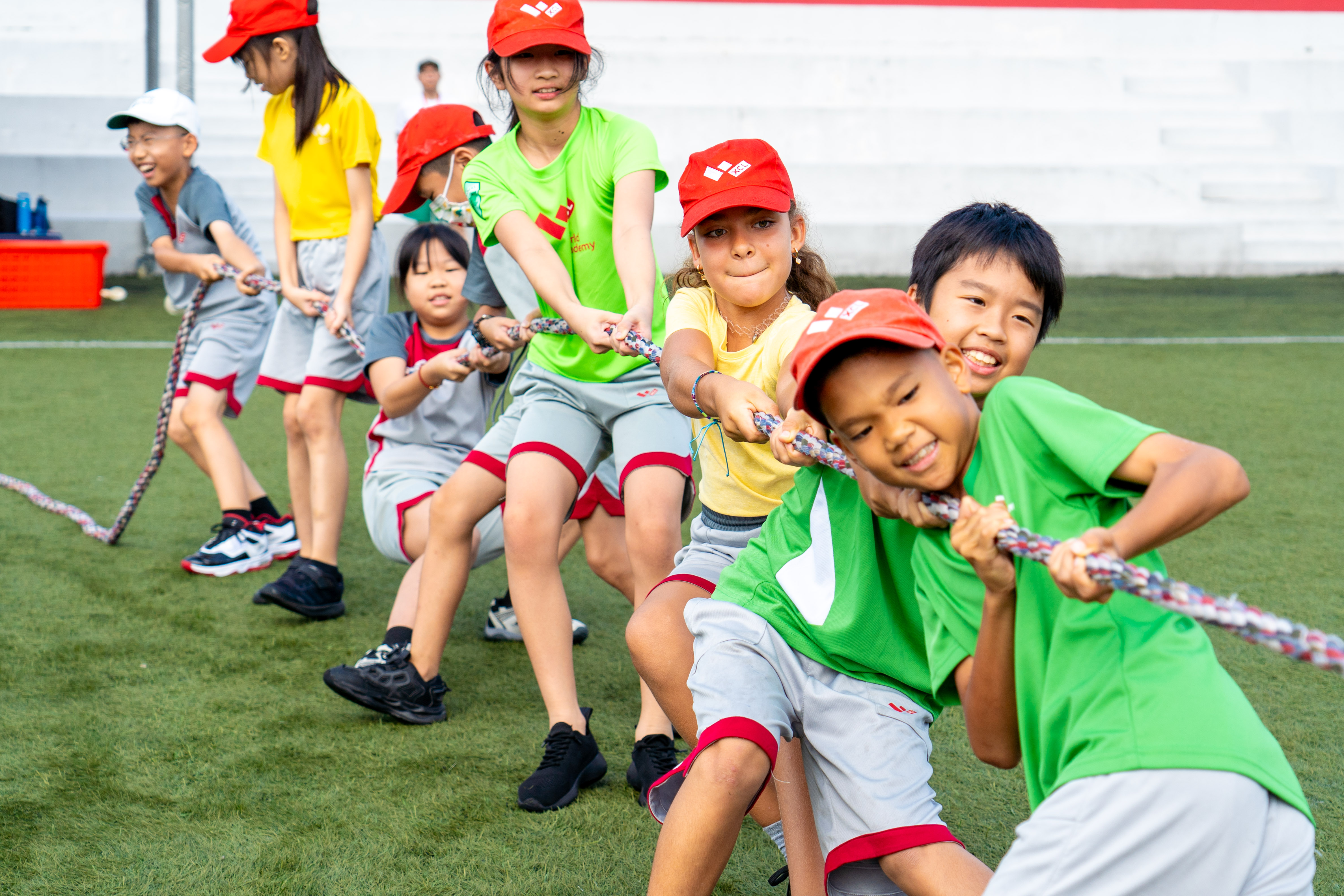
Physical Education at XCL World Academy is part of the curriculum from Nursery through Grade 12. Students have a minimum of two PE lessons per week in PY and three PE lessons per week in SY, building movement skills, physical literacy, and the confidence to stay active across a broad range of activities, with swimming a major part of the programme in the Early Years and Primary Years.
XWA's PE curriculum follows the IB framework, drawing additionally on the New Zealand Physical and Health Education standards. From Nursery to Grade 12, the programme builds broad movement skills, physical literacy, and the confidence to take part in sport, leisure, and daily activity both in and beyond school.
Students have a minimum of two PE lessons per week. Activities across the year span gymnastics, dance, invasion games, net and wall games, striking and fielding games, health and fitness, swimming, and adventure challenges. The programme prioritises transferable skills, so when students encounter a new sport or activity, they have the movement foundation to take part.
Across lessons, students build resilience through challenge, teamwork and sportsmanship through shared activity and competition, and the habits needed to manage their own fitness over time.
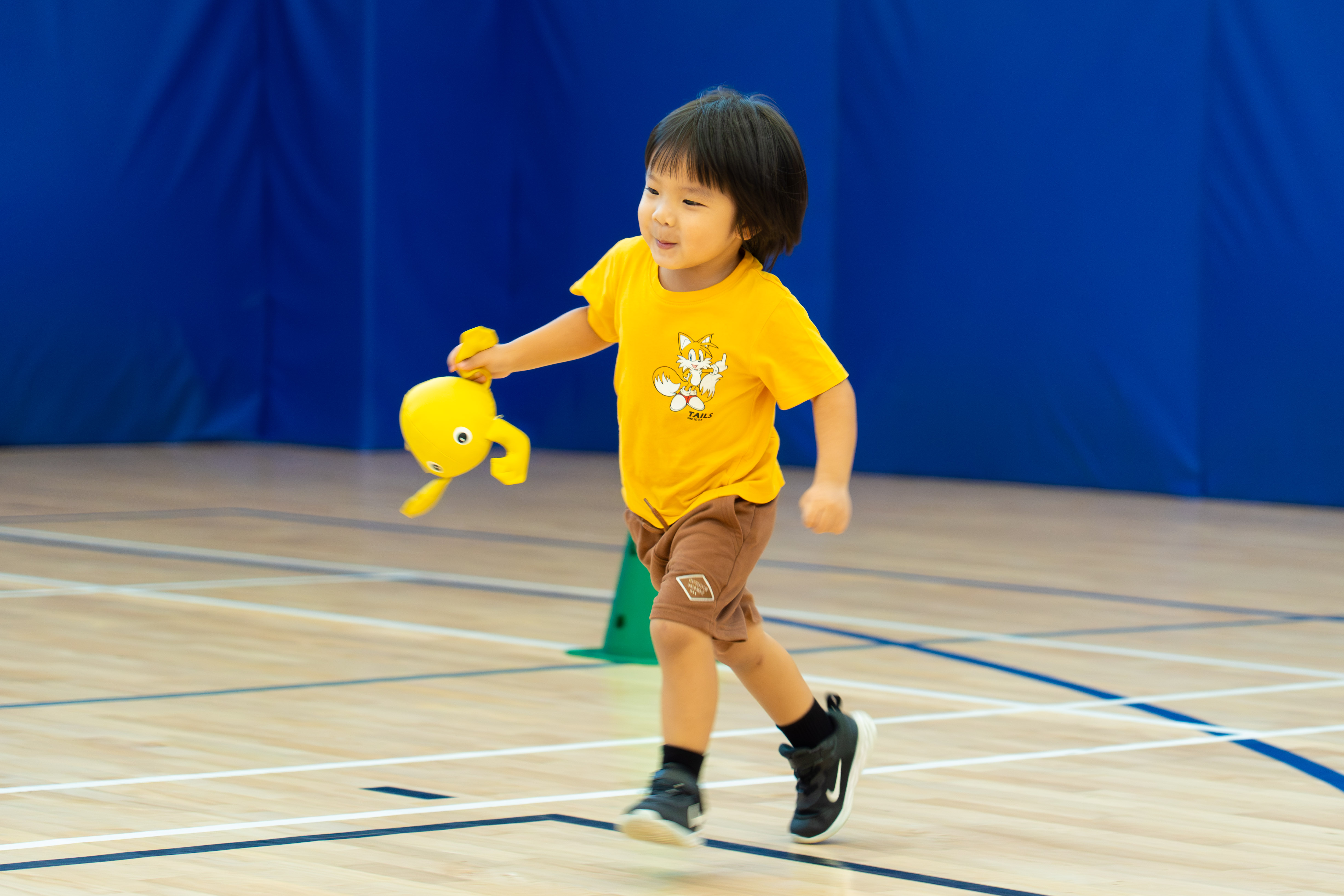

In the Early Years, PE is built around play. Activities are structured to feel like games (balancing, throwing, catching, running, climbing) so children develop fundamental movement skills while enjoying the process. The emphasis at this stage is on coordination, interaction with others, and the simple experience of being physically capable. As children move toward KG2, lessons introduce more structure and inquiry, preparing them for the Primary Years approach.
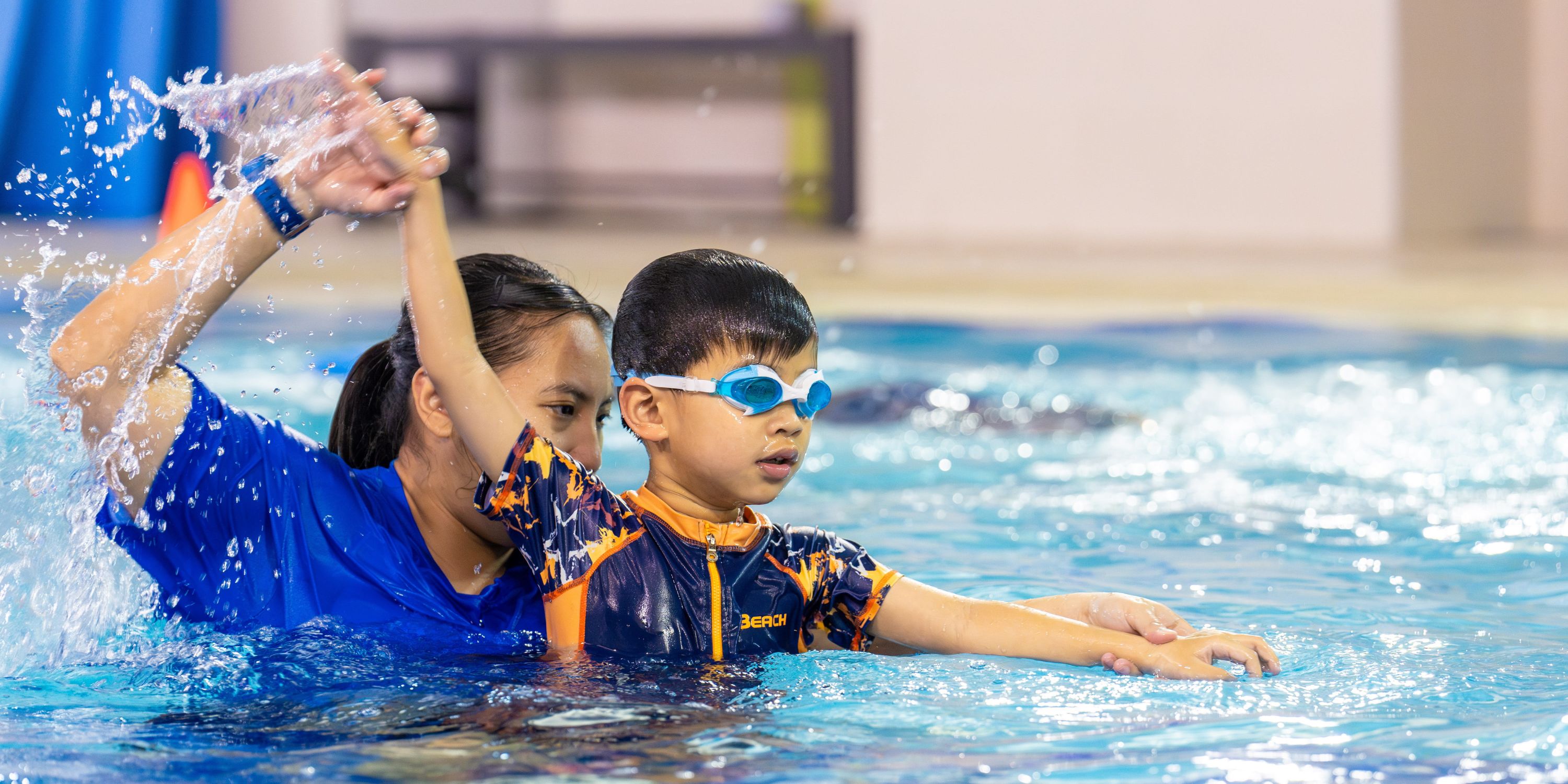
In the Early Years and Primary Years, half of all PE lessons take place in the pool. That gives students substantial time in the water, helping them build stroke technique, confidence, and a wider range of aquatic skills. Younger and less experienced swimmers use a heated 0.8-metre learner pool. Every Early Years and Primary swimming lesson has a minimum of two qualified swimming teachers, with a Teaching Partner present in most lessons. Students who arrive with no swimming experience, or a fear of water, typically progress to competence in frontcrawl, backstroke, and breaststroke by the end of Primary.
Students have a minimum of two PE lessons per week. Activities across the year span gymnastics, dance, invasion games, net and wall games, striking and fielding games, health and fitness, swimming, and adventure challenges. The programme prioritises transferable skills, so when students encounter a new sport or activity, they have the movement foundation to take part.
Across lessons, students build resilience through challenge, teamwork and sportsmanship through shared activity and competition, and the habits needed to manage their own fitness over time.
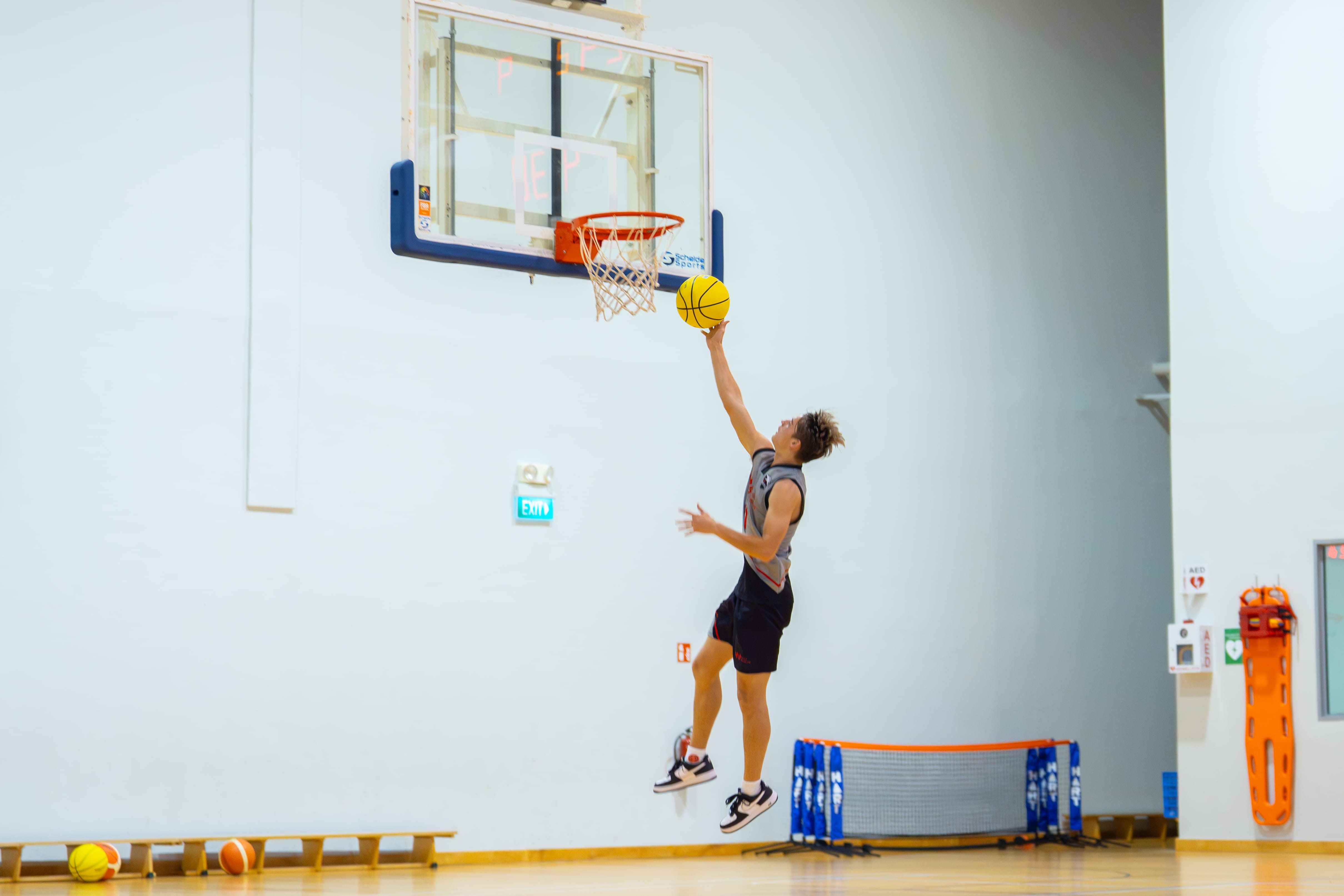
Physical Education remains part of the curriculum through the Middle Years Programme and Diploma Programme.
Students continue to have regular PE lessons and access to the school's facilities as they progress through secondary school, with PE continuing as part of the school's wider expectation that students remain active and engaged in physical learning.
For IB Diploma students, sustained physical activity through PE and competitive sport can contribute to the Activity strand of CAS, which is a compulsory part of the Diploma Programme.
XWA also offers Physical and Health Education as a High School Diploma course in Grade 11 and 12.
Beyond timetabled PE, students at XCL World Academy have access to a wide range of extra-curricular activities that extend their learning and enjoyment of sport. From recreational clubs to competitive teams, these activities allow students to build skills, stay active, and develop confidence at their own level.
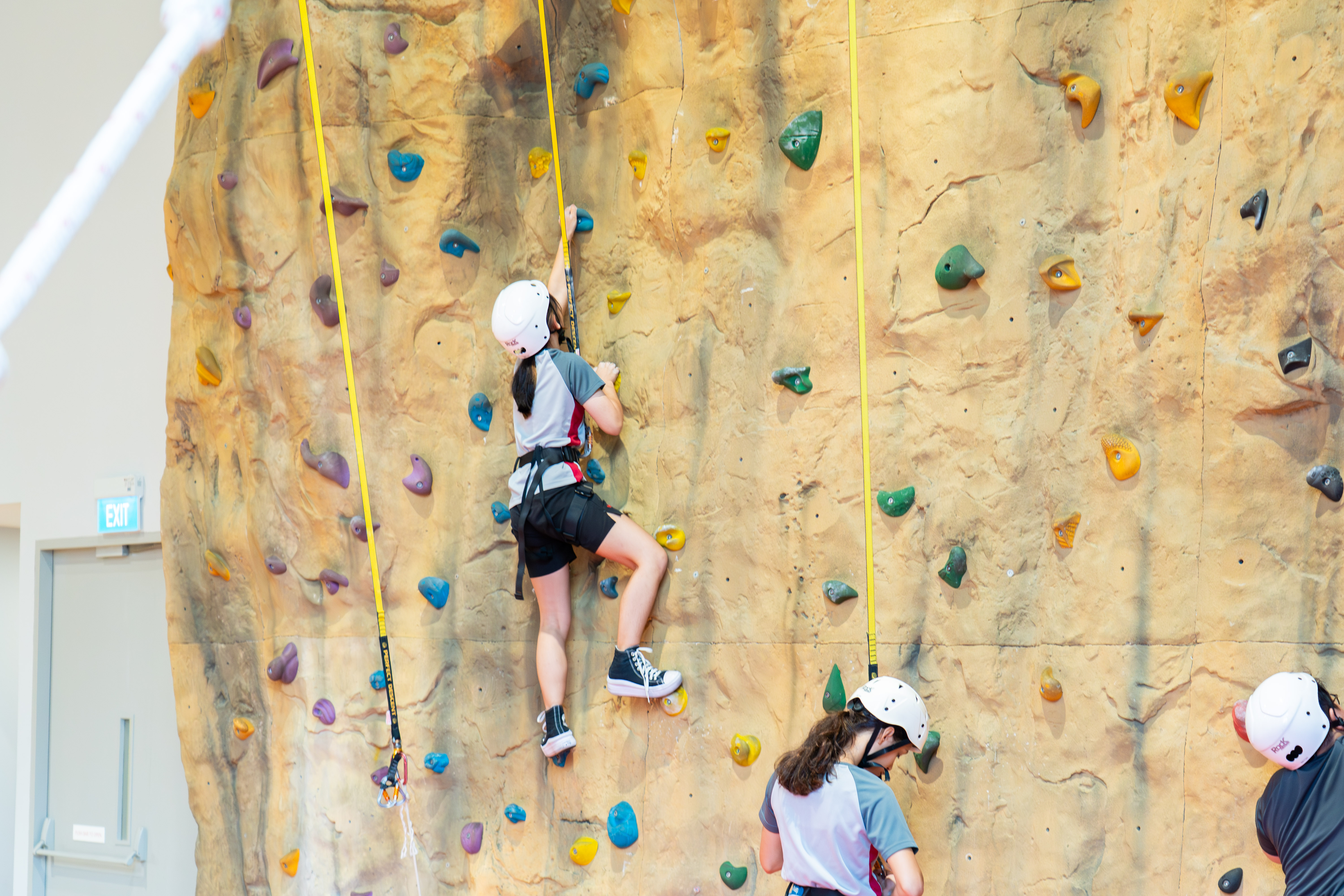
XWA's facilities support both PE and competitive training across all year groups.
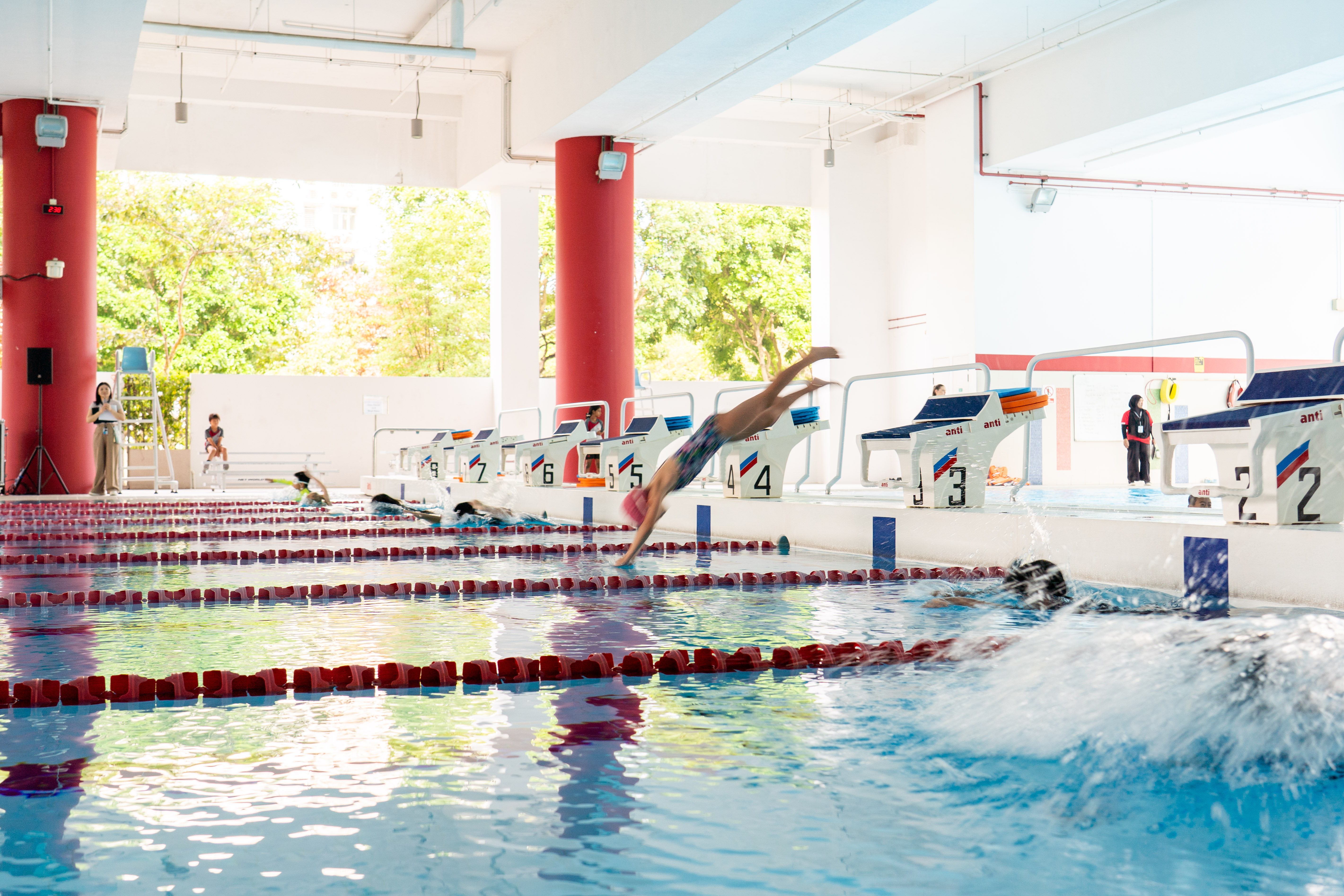
50-metre Olympic-sized pool
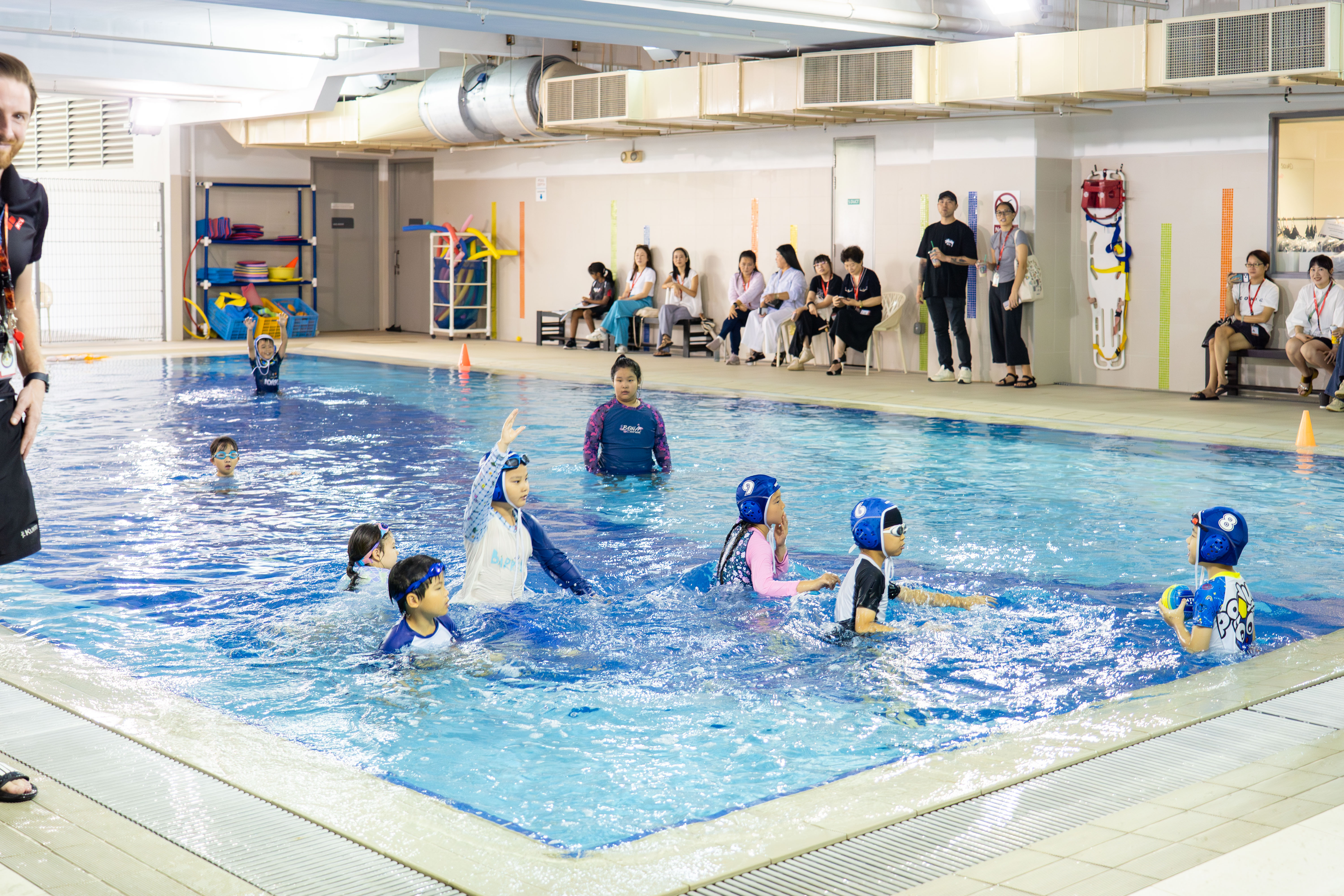
Heated 0.8-metre pool for Early Years and beginner swimmers
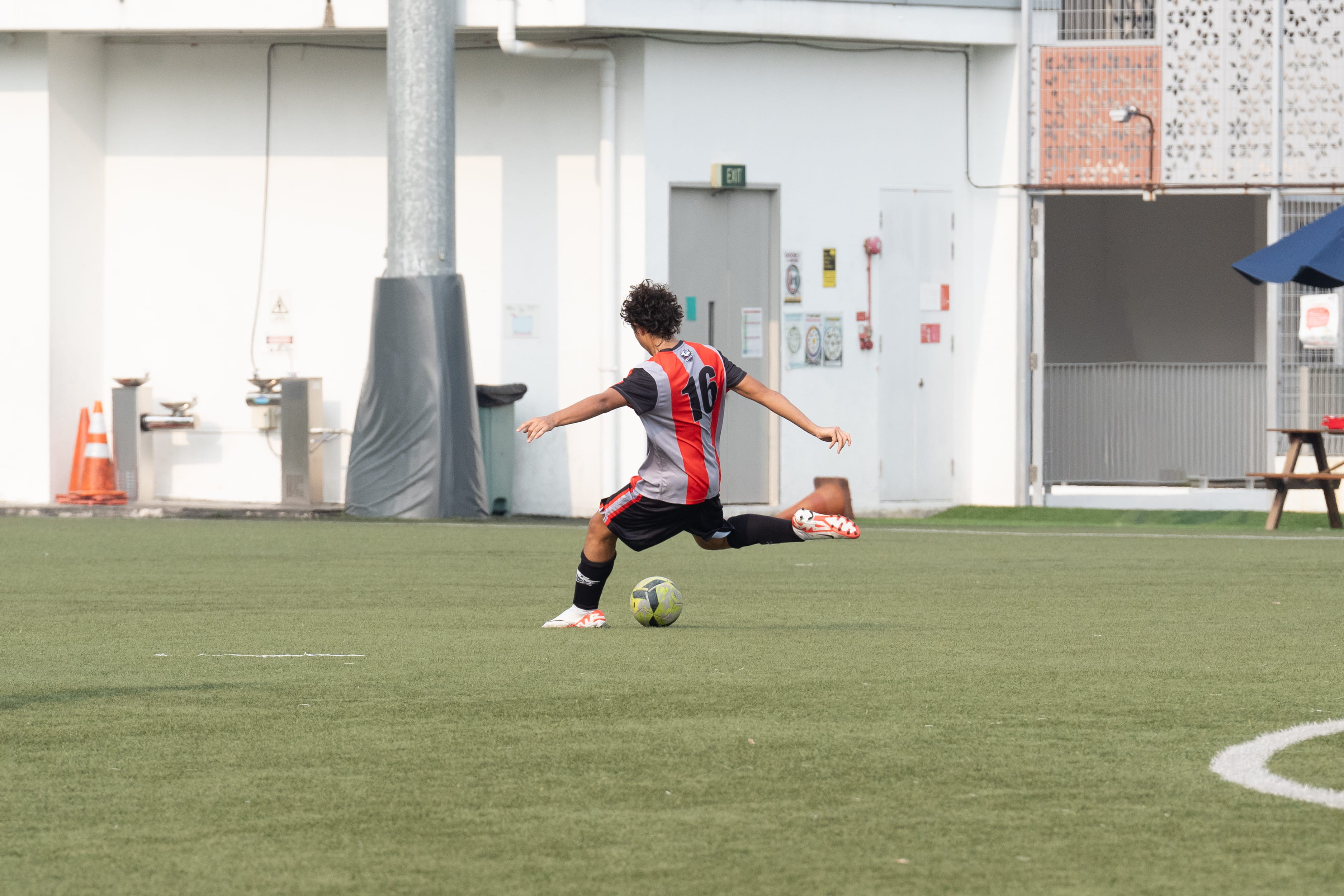
FIFA-standard all-weather pitch
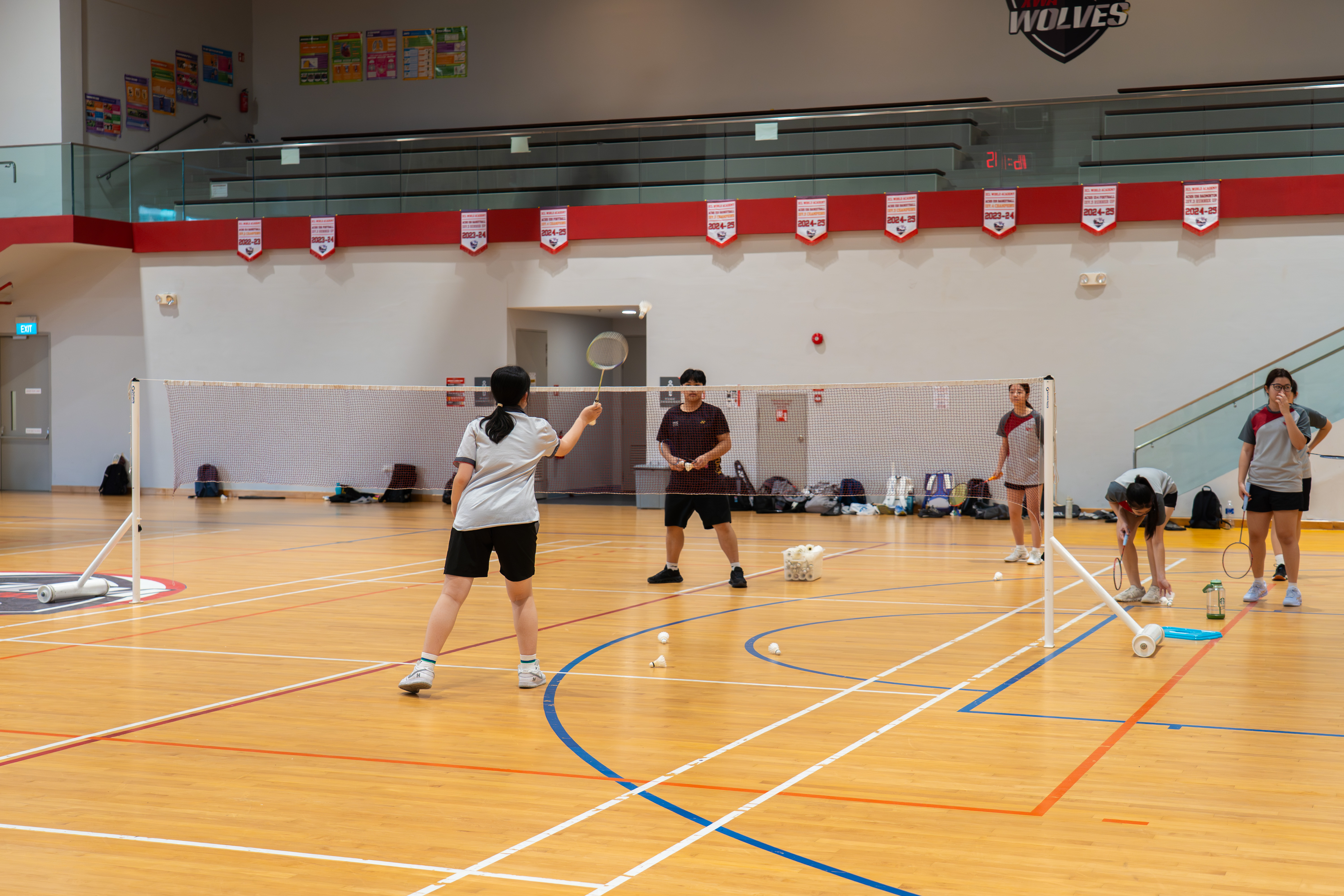
Sports hall with basketball courts, badminton courts, and multi-purpose gym
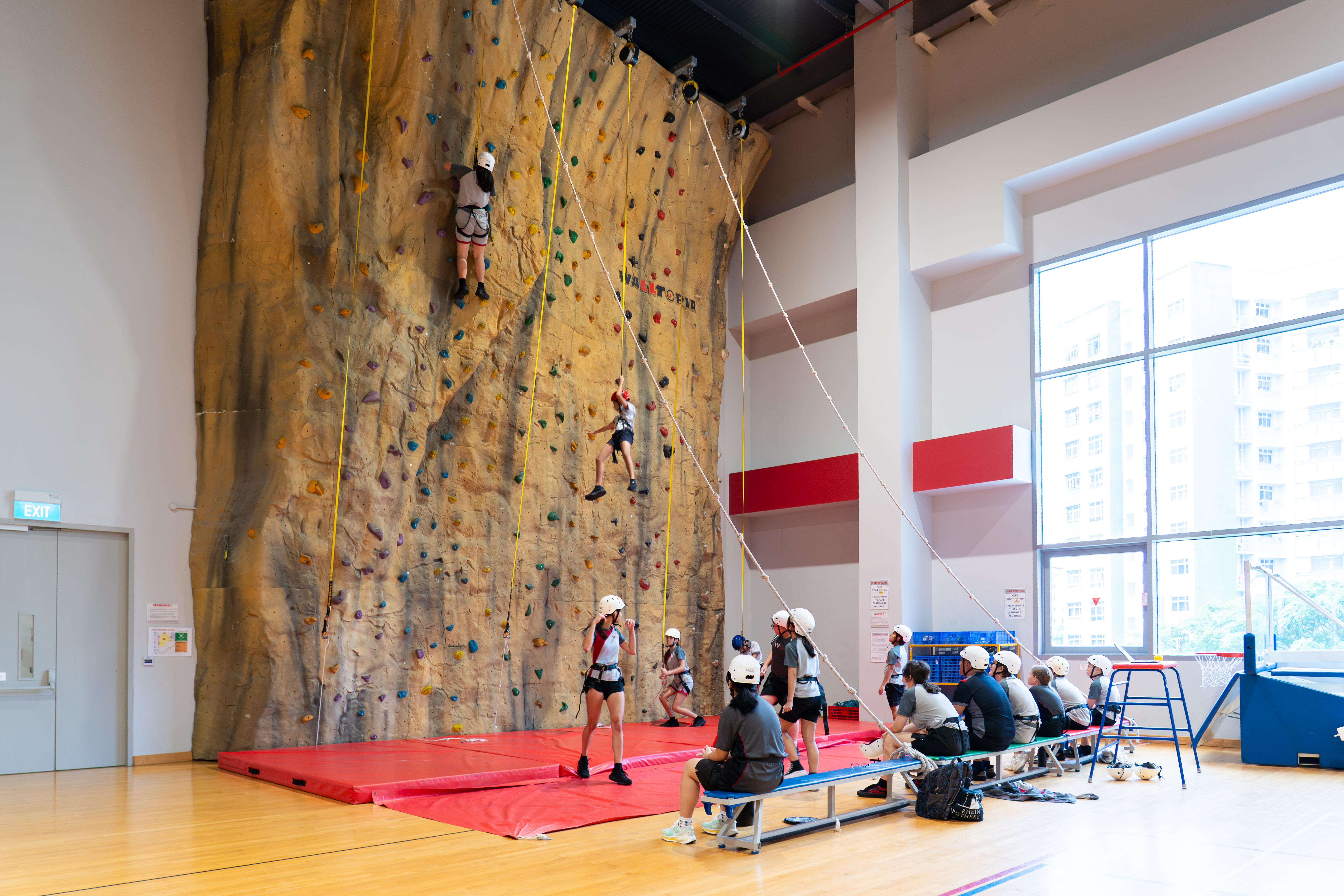
15-metre rock climbing wall
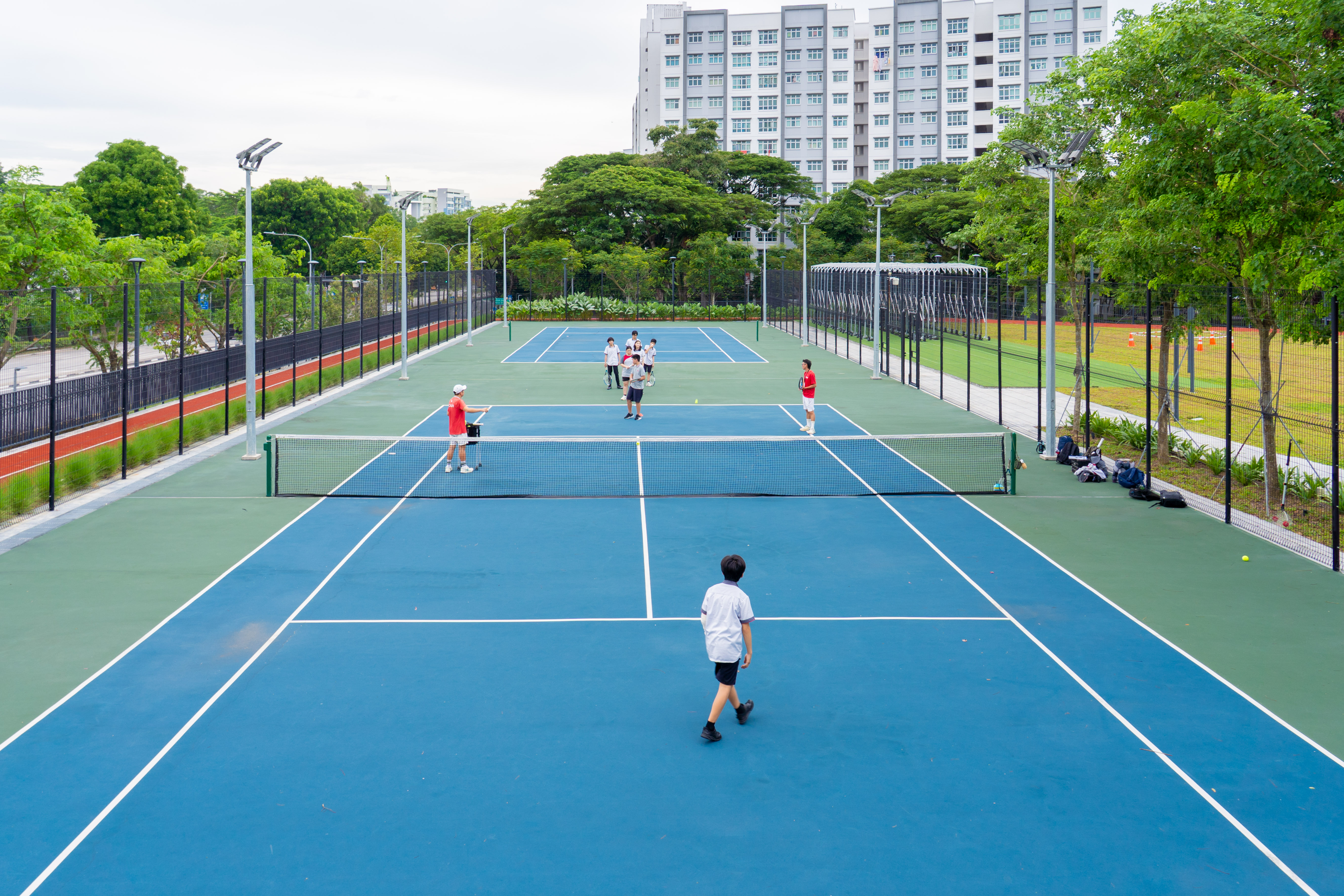
2 tennis courts for independent practice
Get answers to the most common questions from prospective parents about our school.

Students have a minimum of two PE lessons per week from Nursery through Grade 12. In the Early Years and Primary Years, half of that PE time is spent in the pool.
Lessons are structured so every student is appropriately challenged. Tasks include extension options for students ready to push further, and scaffolded support for those still building skills. The aim is for every student to participate successfully and build capability from their own starting point.
PE is part of the curriculum for every student from Nursery through Grade 12. The focus is on physical literacy, participation, and capability across a broad range of activities. Competitive sport is an extra-curricular programme for students who want to train and compete at team level. Students who discover a sport they enjoy through PE can take it further through the competitive programme. Full details are in the Sports section below.
Many students arrive at XWA with no swimming experience or a fear of water. The heated 0.8-metre learner pool and small-group instruction, with two qualified teachers per lesson, allow students to build confidence and skill at their own pace. By the end of Primary, most students are competent in frontcrawl, backstroke, and breaststroke.
Yes. PE is part of the core curriculum and included in tuition.
We're here to help!
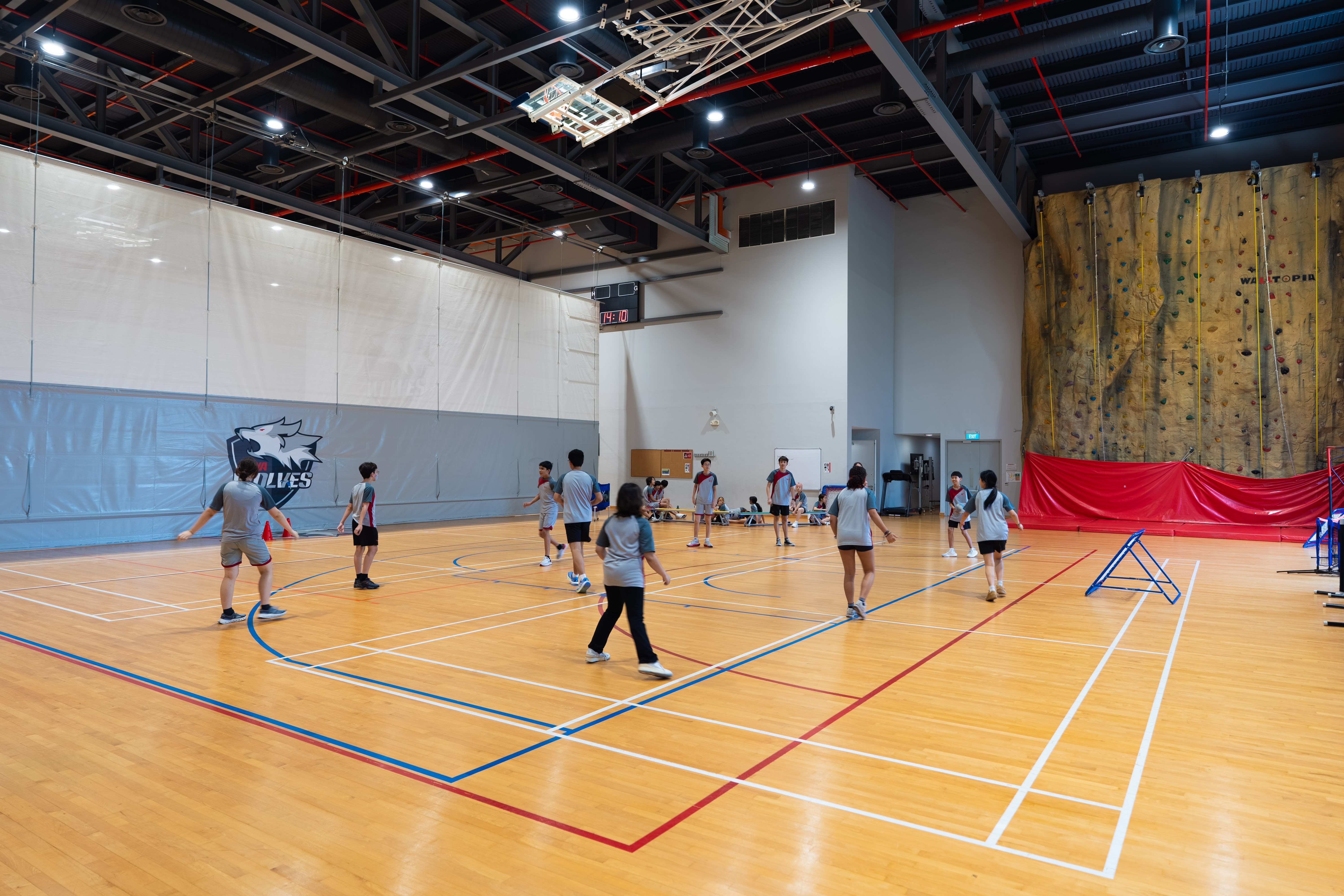
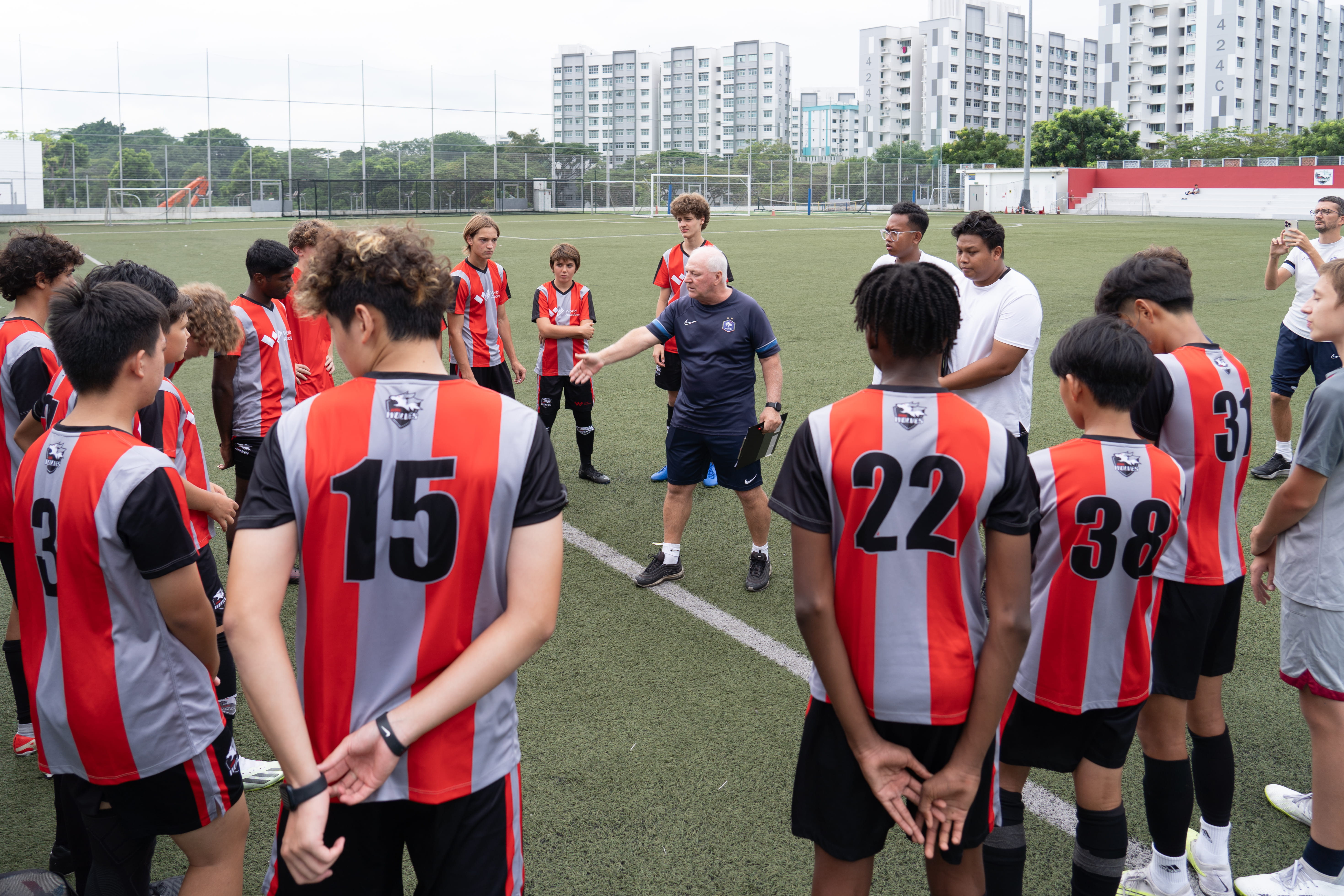
From Grade 3 to Grade 12, XWA students compete in Singapore’s ACSIS league across 11 sports. The programme is structured across three levels, each with its own training commitment and focus. XWA also collaborates with organisations such as the French Football Academy (FFF) and X-Labs, founded by Olympic gold medallist Joseph Schooling, giving students access to specialised coaching and high-level athletic development opportunities.
XWA's sports programme is built on eight values that shape how student-athletes train, compete, and conduct themselves on and off the field. They shape how coaches run training, give feedback, and set expectations for leadership within the team. A student who joins at PYP level and progresses to Secondary Years operates within the same culture throughout.

Respect
Treating teammates, opponents, coaches, and officials properly

Passion
The willingness to keep improving day after day

Commitment
Showing up consistently and meeting the standards the team sets

Leadership
Taking responsibility on and off the field

Ambition
Pushing for the next level, whether that is a personal best or a place on the Varsity squad

Resilience
Learning how to respond to setbacks during a season

Teamwork
Understanding that individual effort contributes to collective results
Success
Measured through personal improvement and team contribution as well as the final score
XWA's competitive sports programme uses a vertical development model: students enter at the level appropriate to their age and progress through the programme as their skills and commitment develop. Every team at every level shares the same values and standards, so the step up from one level to the next is a natural progression built on what a student already knows.
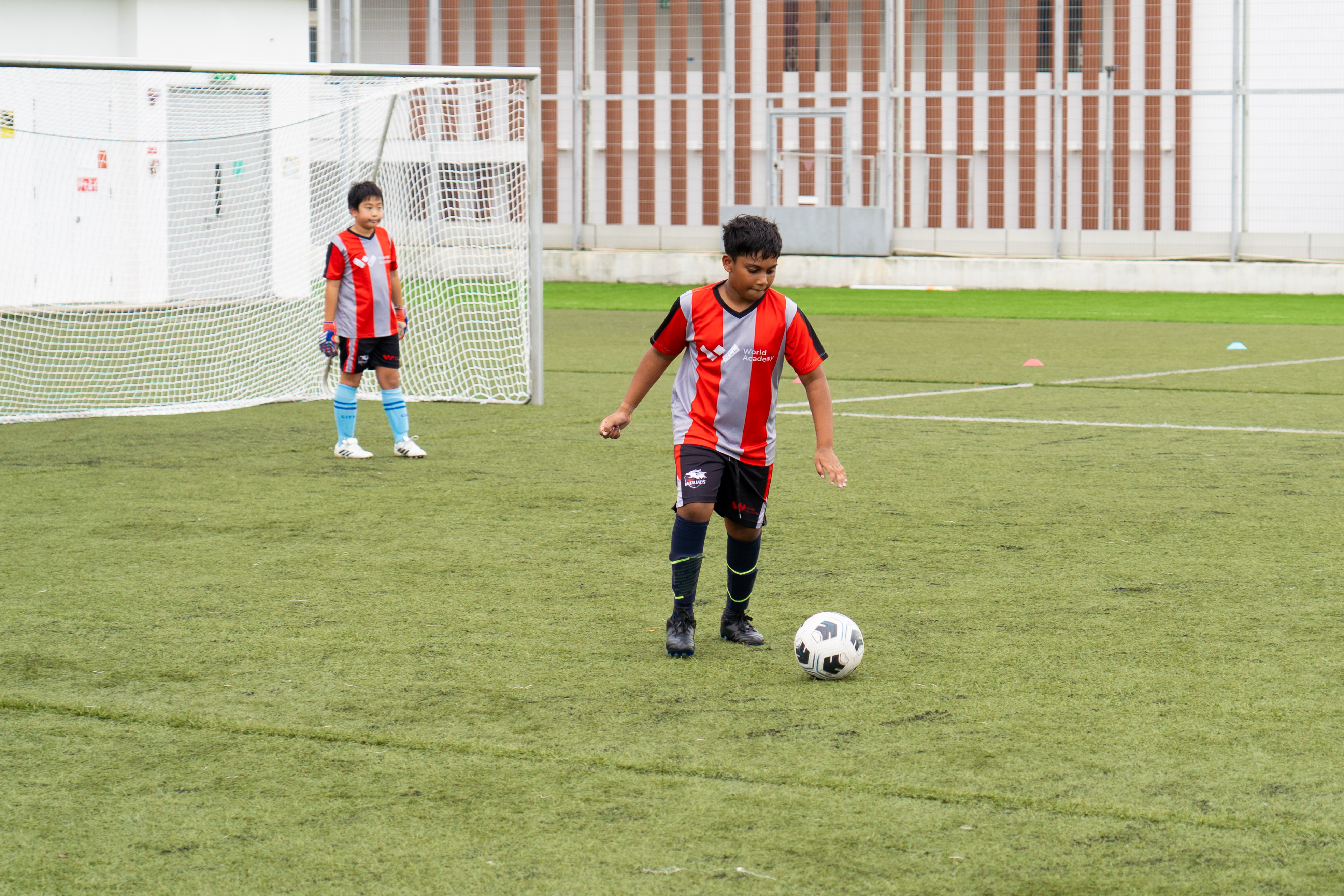
PYP teams give students from Primary Years a first experience of organised sport, with sessions built around fundamentals, coordination, and enjoyment. Students learn the basics of the game, develop their movement skills, and experience what it means to be part of a team. Training runs once a week. Where possible, PYP teams participate in the ACSIS season alongside one-off tournaments and friendly matches.
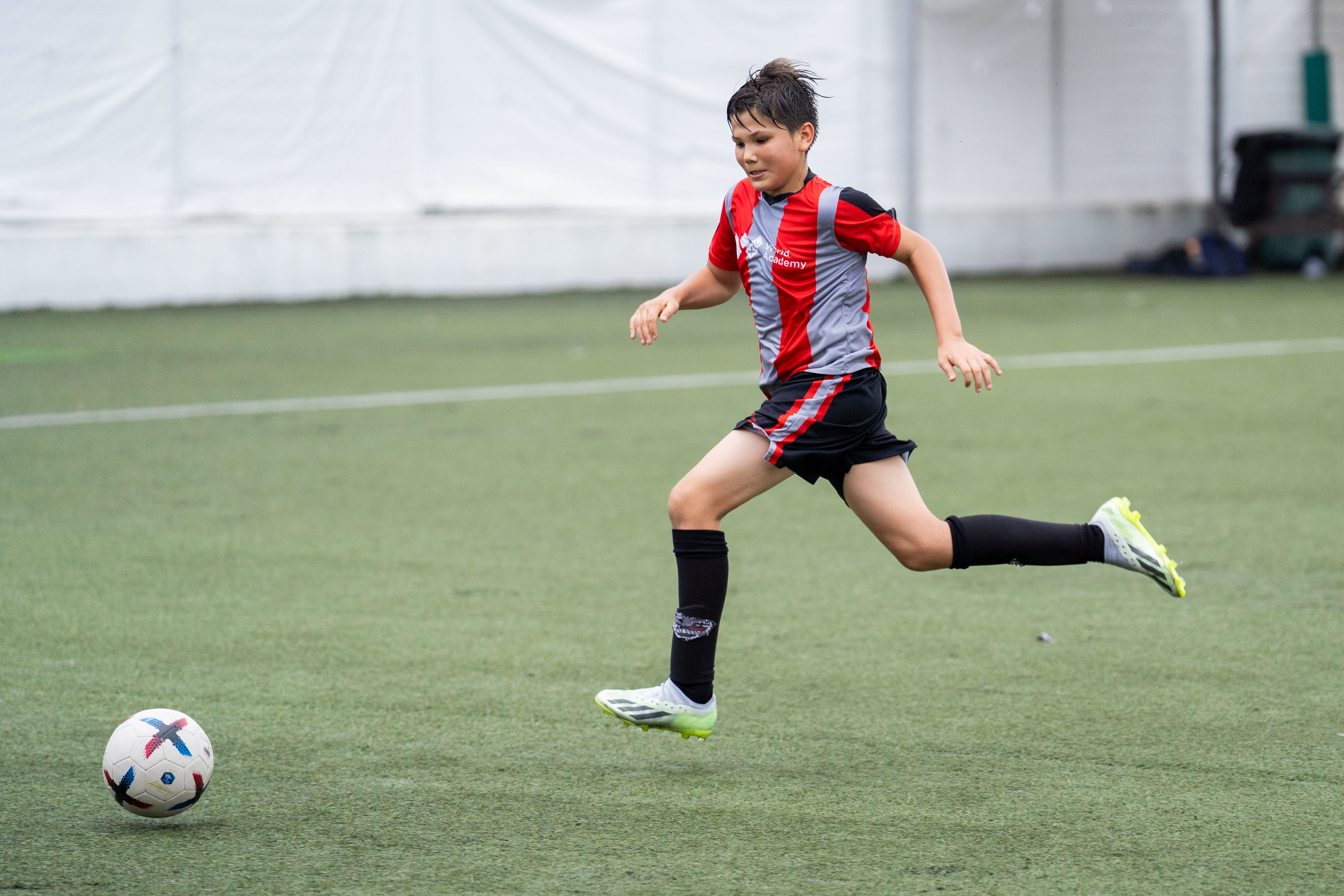
Middle School teams develop rules, tactics, and competition skills in greater depth. The emphasis is on every student getting meaningful playing time, building independence, and learning what commitment to a team looks like in a competitive setting. Training runs twice a week. Teams compete in the ACSIS league wherever a Middle School division exists.
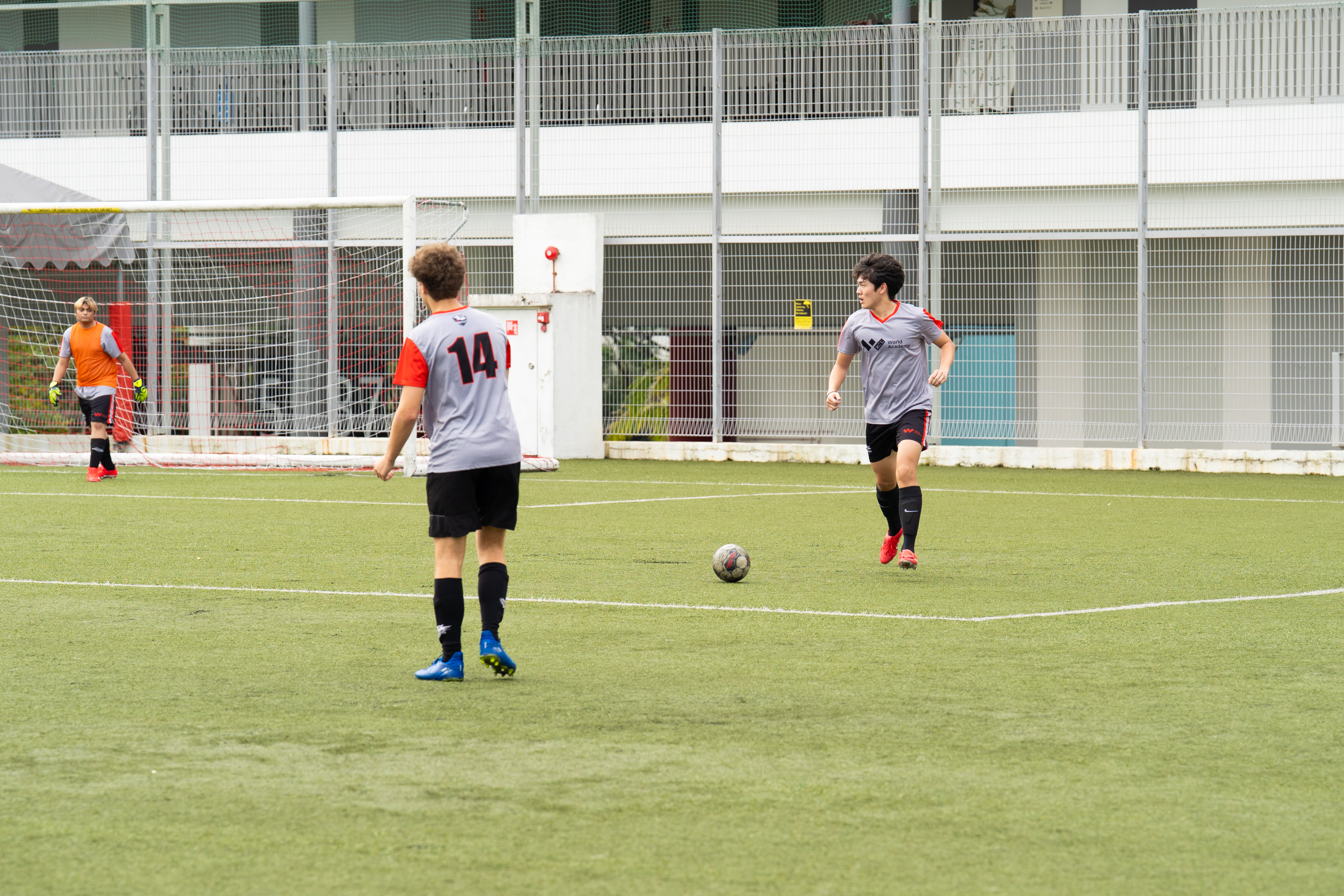
Secondary Years is XWA's highest level of competition. Teams compete at the highest level available in Singapore's international schools circuit, with the same standards expected in every match. Training runs three times a week. Secondary Years squads are primarily drawn from Grades 9 to 12. In specific circumstances, a Grade 8 student may be invited to join the U19 squad. Coaches make this decision based on what is right for both the student and the programme.
Moving between levels Students can be called up from one team level to another during a season, either for individual matches or on a permanent basis. Once called up permanently, a student remains at the higher level for the remainder of the season.
XWA competes in the ACSIS league across three seasons during the school year, with sports and age categories varying by term. Students at different levels have clear competitions to prepare for across the year.
SY = Secondary Years | MS = Middle School | PYP = Primary Years Programme
Students can also practise before and after school, with matches on weekdays and some weekends.
Swimming is one of the few XWA sports programmes that runs year-round, with a structured pathway from developing to elite level. Tryouts are open to students in Grades 2 to 12. The team has approximately 50 swimmers aged 7 to 17, training in the Olympic-sized pool up to eight times per week and competing against other international schools in Singapore. Students are trained by X-Labs, founded by Olympic gold medallist Joseph Schooling, giving swimmers access to high-level coaching and development. For students who want structured competition, the programme offers a clear progression from developing level to elite.
Selection is based on 100m Individual Medley time. Training frequency increases at higher levels:
XWA Aspire Academy is designed for high-performing students who are ready to take their talents further. Headed by Danny Tauroa, former Singapore national rugby coach, the programme provides specialised training and real-world opportunities that help students refine their skills while continuing to balance their academic journey.
Built to support both excellence and character, Aspire Academy helps students develop discipline, resilience, and the mindset needed to perform at an advanced level and pursue their passions with confidence.
Beyond timetabled PE, students at XCL World Academy have access to a wide range of extra-curricular activities that extend their learning and enjoyment of sport. From recreational clubs to competitive teams, these activities allow students to build skills, stay active, and develop confidence at their own level.
XWA's facilities support both PE and competitive training across all year groups.
50-metre Olympic-sized pool
Heated 0.8-metre pool for Early Years and beginner swimmers
FIFA-standard all-weather pitch
Sports hall with basketball courts, badminton courts, and multi-purpose gym
15-metre rock climbing wall
2 tennis courts for independent practice
Get answers to the most common questions from prospective parents about our school.
The programme has three levels. PYP Teams (U8 and U11) run one training session per week, with a focus on fundamentals and enjoyment. Middle School Teams (U12 and U14) run two sessions per week and compete in the ACSIS league. Varsity Teams (U16 and U19) run three sessions per week and compete at the highest level. Students can progress through all three levels as their skills and commitment develop.
PYP teams are designed for students who are new to organised sport, with one session per week focused on skill-building, coordination, and enjoyment. Students who commit to developing their game can progress to Middle School level when ready.
Aspire Academy is XWA's personal development programme for high-performing students across sport, arts, and academics. It takes 20 to 22 students per cohort from Grade 8 upwards and combines mentorship, coaching, and enrichment to support areas such as mental resilience, leadership, personal growth, and performance habits.
Tryouts are held at the start of each season. Coaches place each student at the level where they can best develop and contribute. Students can also be called up to a higher team during the season if coaches and the Sports Director determine it is appropriate.
Yes. CAS is a compulsory part of the IB Diploma Programme, running across at least 18 months with a required balance of Creativity, Activity, and Service. Competitive sport sits directly within the Activity strand, and students who train and compete with XWA's teams are engaging in exactly the kind of sustained physical activity CAS requires.
We're here to help!
Research shows that students in bilingual programmes often make strong gains in both language development and overall learning. In this programme, students not only learn two languages, but also learn through both languages—using them to think, communicate, and solve problems across subjects. This strong bilingual foundation prepares students well for the IB Middle Years Programme.
By this stage, your child will have spent years reading, writing, discussing, and interpreting increasingly complex ideas across subjects in two languages, developing both academic proficiency and confidence.
.jpg)
Visit the pools, pitch, and sports hall, meet the coaches, and ask how PE and the competitive pathway work at your child's year level.