

.jpg)
What Makes Our Middle Years Programme Different
AI Learning, Built with Global Leaders
A first in Singapore, embedding AI and technology within the IB MYP, with programmes developed in collaboration with researchers from MIT, Stanford, Harvard, Carnegie Mellon, and NYU.
Holistic Curriculum with a Balanced Approach
Eight subjects across various groups, including languages, sciences, and mathematics, with an elective rotation within the arts.
EAL Support Within Identified Classrooms
Targeted English language support delivered within identified classrooms to strengthen understanding and build confidence alongside peers
Foundational English Programme (FEP)
Targeted English support that helps students progress from early proficiency to IB Diploma readiness.

University Guidance From Grade 8
Dedicated university counselling starts in Grade 8, giving students more time to plan their senior school pathway
The MYP Approach
Learning is inquiry-based and project-based. Students explore shared concepts across subjects, such as how mathematics applies to design, how science raises ethical questions, and how language shapes understanding.
They develop conceptual understanding through projects like the Grade 6 AI capstone and Grade 7 robotics builds, gaining agency over their learning while teachers ensure depth across disciplines.
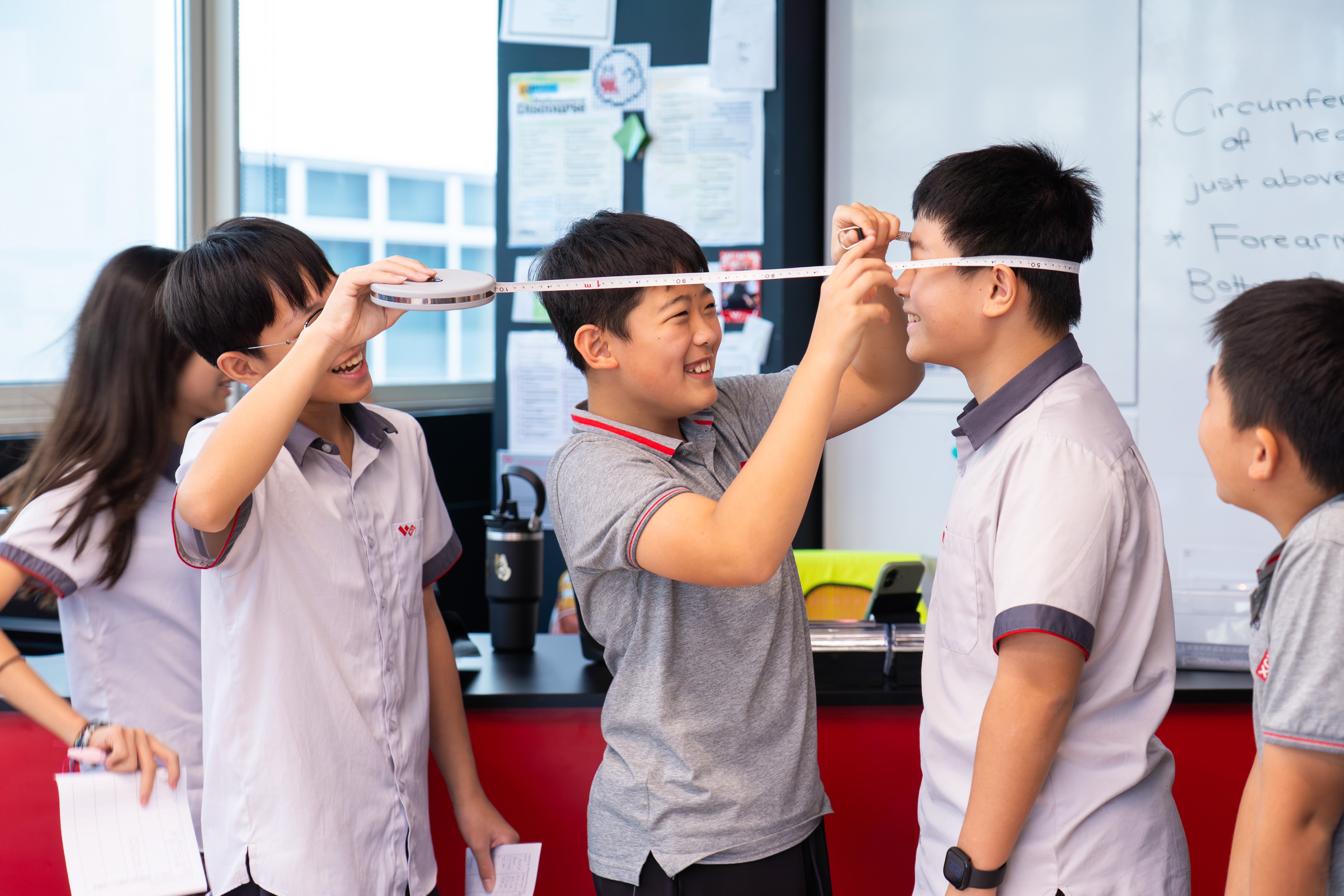
Eight Subject Groups With Equal Time for Each
The IB Middle Years Programme organises learning into eight subject groups. Students at XWA study all of them through Grade 10. In many national school systems, students are required to drop subjects like arts, design, or humanities as early as age 11. At XWA, those doors stay open as strengths develop.
Subject Groups
Language A
English, Japanese, or Chinese. Students develop their mother tongue while building academic English. For students in the Foundation English Programme, Language A learning is integrated through FEP.
Language Acquisition
Modern foreign languages: Mandarin, French, Spanish, or English as an Additional Language (EAL).
Mathematics
IB MYP-aligned mathematics developing problem-solving and abstract reasoning.
Sciences
Combined sciences taught through inquiry, helping students build subject knowledge alongside academic language.
Individuals and Societies
Humanities exploring history, geography, economics, and how societies function.
Design
Design and technology through practical projects that require students to identify problems, prototype solutions, and refine their thinking.
Arts
Media Arts, Music, Theatre Arts, and Visual Arts with specialist teachers.
Physical and Health Education
Sport, fitness, nutruition and character development, covering personal, social, and health education.
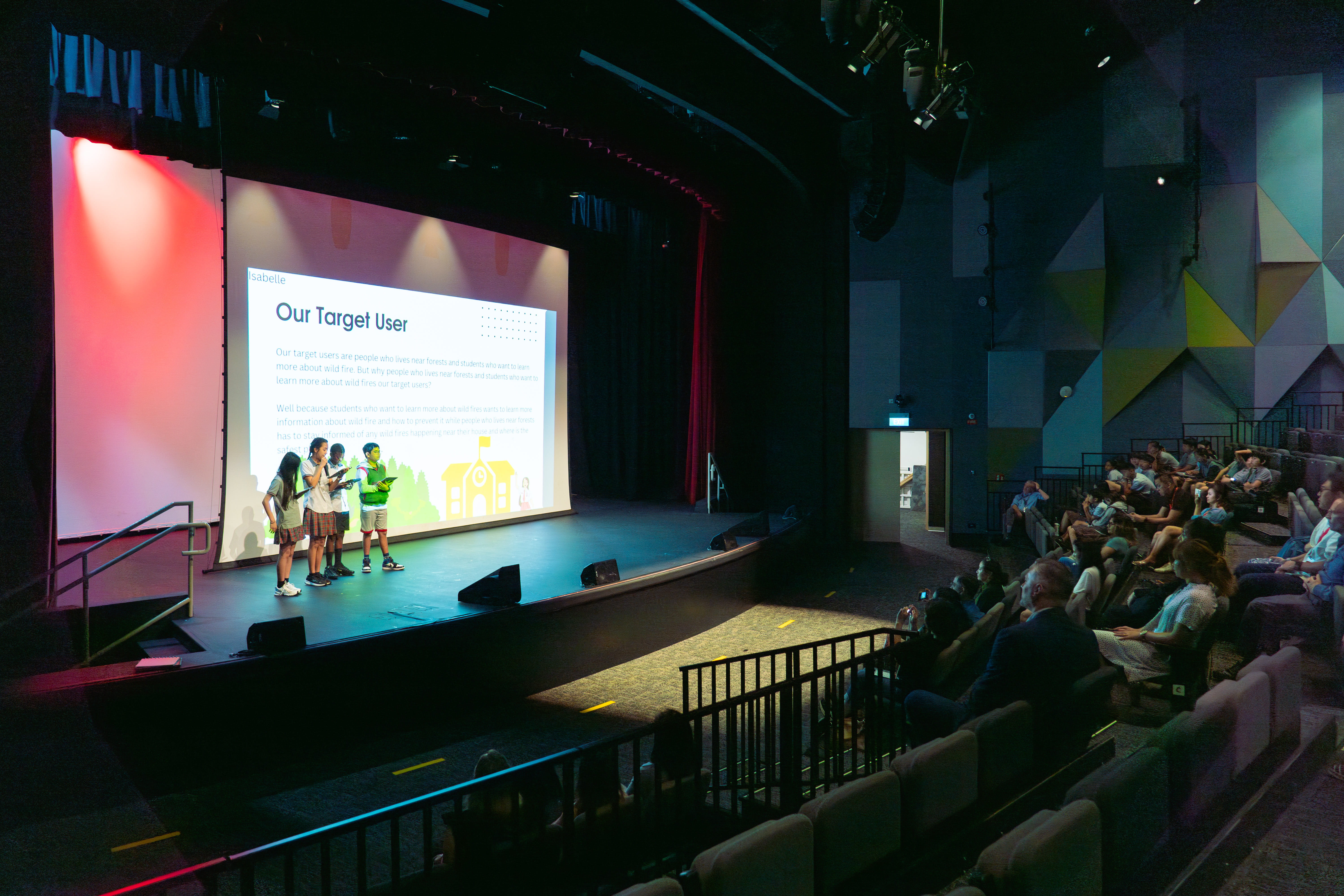
Beyond the Classroom
Education extends beyond scheduled classes. Middle Years students participate in:
A strong sense of community at XCL is shaped by our Student Council, House Leaders, Student Ambassadors, and Mentors, who actively lead, support, and connect the student body
Every Student Known and Supported
The transition from childhood to adolescence brings academic pressure, social complexity, and questions about identity. Students are supported strong pastoral team so concerns are noticed early and followed up consistently.
Every student has an Advisory teacher as a daily point of contact, a Head of Grade for academic and social guidance, a Dean of Student Life for broader wellbeing oversight, and access to a dedicated socio-emotional counsellor. Push in language support is provided and every student has one PSHE lesson built into their timetable each week. University counselling starts in Grade 8, giving students more time to plan their senior school pathway.
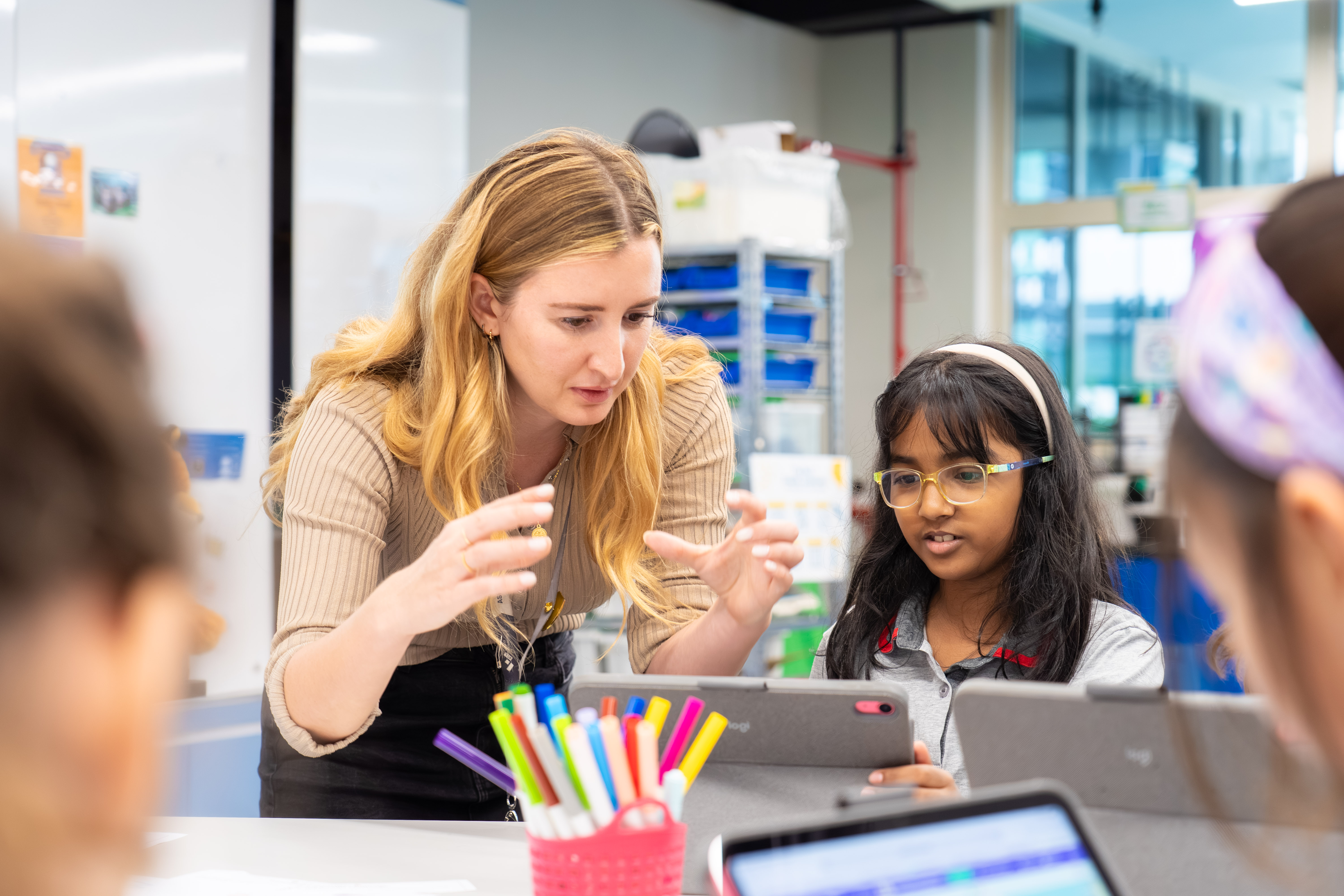

Wellbeing That Supports Every Student
Student wellbeing is central to how students learn, grow, and thrive. We help students build the skills to manage workload, develop positive relationships, and handle challenges in a healthy, constructive way, supported by a consistent and personalised care system that recognises each student’s needs.
Through regular Komodo surveys, we gain real insight into how students are feeling. This allows us to respond early, tailor support, and guide each student’s development. Students also build self awareness, learning to make positive choices and seek support when needed.
Skills Students Develop
By the end of Grade 10, students typically have stronger capability in:

Middle Years Programme: Through The Years
AI and Robotics Embedded in the Core Curriculum From Grade 6
AI is already shaping how students research, write, create and evaluate information. Teaching how these tools work, and how to use them responsibly, helps students develop better judgement and stronger thinking habits. XWA is the first international school in Singapore to embed AI literacy and robotics within the IB MYP curriculum. Grades 6 and 7 include structured AI and robotics learning with hands-on projects and explicit teaching on responsible use.


Grade 6: AI Programme by SureStart
Programme length
15-week programme
What students learn
Project-based learning using age-appropriate AI tools. Your child learns how generative AI works, how data is used to train systems, and how simple applications are designed. Ethical decision-making and responsible use of technology are embedded throughout.
Mentorship
Leonardo Neves, Harvard Teaching Fellow and Principal Research Engineer at Snap, provides mentorship to Grade 6 students. XWA's AI curriculum is developed in partnership with SureStart, drawing on researchers from MIT, Stanford, Harvard, Carnegie Mellon, and NYU.
Outcome
A completed AI project where students apply core concepts learned during the programme
In the 2024–25 cohort, XWA Grade 6 students built 13 AI-powered apps and explored more than 30 AI tools, with capstone projects addressing climate action, health innovation, and sustainability. XWA won Silver at the Honeykids Education Awards 2024 for Digital Technology in Learning and is a finalist for the EduTechAsia 2025 Best AI Innovation Strategy award.
Grade 7: Creative Explorations with Robotics + AI
Programme length
30 weeks
What students learn
Robotics and AI projects exploring human-robot interaction, creativity, and ethics. Students build working robots and understand how AI systems make decisions.
Mentorship
Guided by Dr. Safinah Arshad Ali, whose PhD is from MIT and who is currently Assistant Professor at NYU Steinhardt.
Outcome
Robotics and AI creative projects
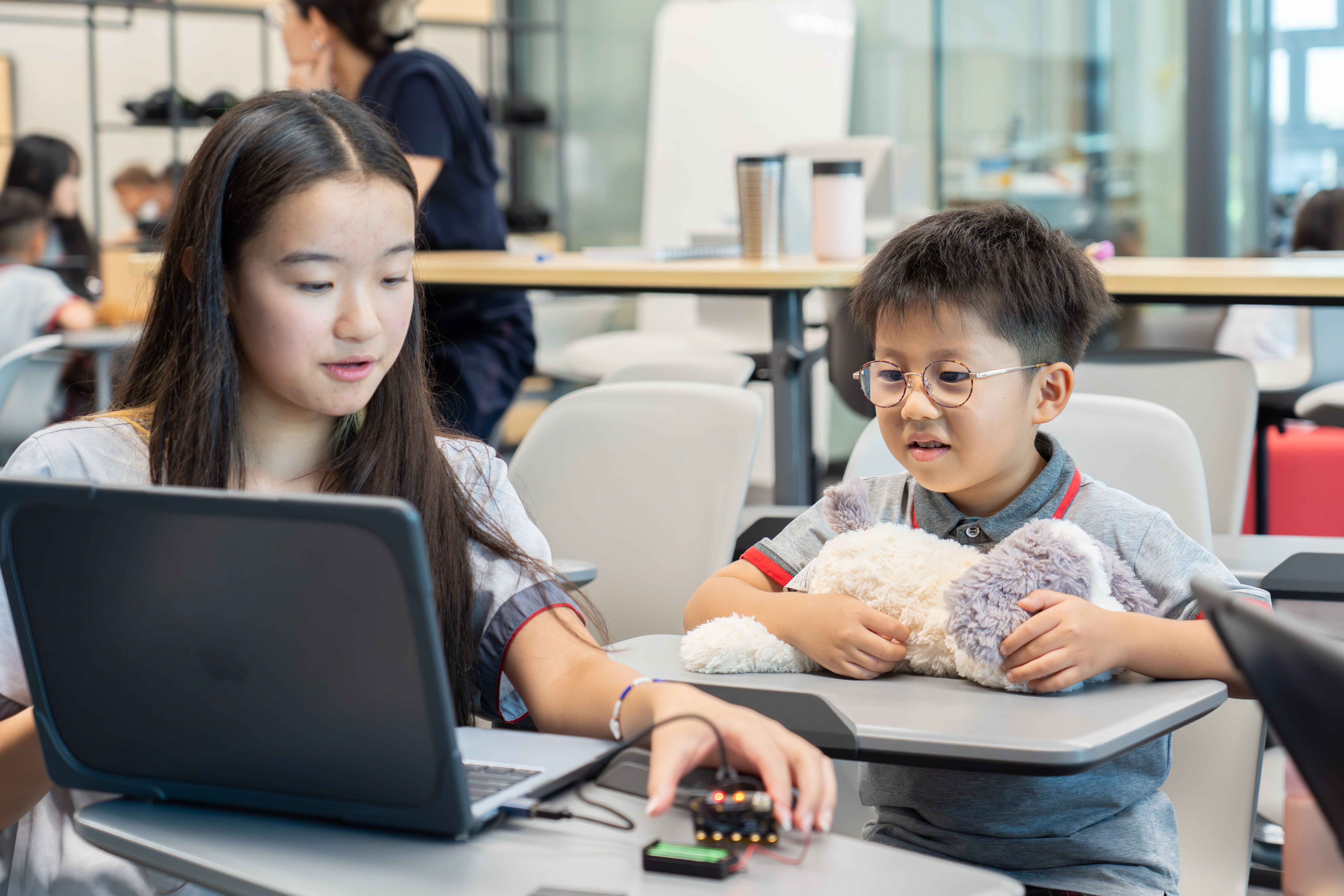

Grade 8 and Beyond
AI and robotics programmes expand into Grade 8 from the 2026/27 academic year. Students continue developing these skills through Design and Technology courses and elective pathways in senior school.
Physical & Health Education: Grade 6 - 12
Daily advisory sessions, weekly assemblies, and PSHE lessons provide students with age-appropriate guidance and support beyond the classroom. These sessions help develop the skills, confidence, and mindset needed to thrive academically, socially, and throughout all aspects of school life and beyond.
FAQs
Get answers to the most common questions from prospective parents about our school.

Grades 6-10, for students aged 11-16. The programme follows the IB Middle Years Programme (MYP) framework.
Students choose from two language pathways. For Language A (their strongest or home language), the options are English, Japanese, or Chinese. For Language Acquisition, students choose from Mandarin, French, Spanish, or English as an Additional Language.
XWA embeds AI literacy and robotics into the MYP core curriculum. Every student in Grades 6-7 completes structured, year-long programmes. Grade 6 students work through the AI Programme by XWA with industry mentorship. Grade 7 students complete a 30-week Creative Exploration with Robotics + AI course.
Three options: the IB Diploma Programme, the High School Diploma with Advanced Placement (AP) courses, or a combination. The MYP's emphasis on inquiry, interdisciplinary thinking, and student agency prepares students for whichever pathway fits their strengths and goals.
Middle Years students take part in capstone AI projects in Grade 6, robotics and AI creative projects in Grade 7, Week Without Walls expeditions, and community service programmes aligned with the UN Sustainable Development Goals (the global framework for addressing challenges in climate, health, and inequality). Students also participate in exhibitions and showcases, spelling bees, and competitions including the World Scholar's Cup, Model United Nations, the National Mathematics Competition, and the Physics Bowl.
Students in Grade 10 can complete MYP eAssessments to earn the full MYP Certificate, issued and authorised by the International Baccalaureate. This provides official recognition of MYP achievement and strengthens senior school and university applications.
Every student is supported by a homeroom teacher (daily contact), Head of Grade (academic and social guidance), Dean of Student Life (broader wellbeing), and a dedicated Socio-Emotional School Counsellor. Students also receive one PSHE lesson per week.
Still have questions?
We're here to help!
See the Middle Years Programme in action
Book a tour to visit classrooms, meet teachers, and watch a Grade 6 or 7 AI and robotics lesson.