
Every child gets asked what they want to be when they grow up. For a child starting primary school today, the most accurate answer might be a job that has not been invented yet. That child will graduate in the late 2030s and spend their working life in a world that will keep redrawing itself around them. The World Economic Forum expects 170 million new jobs to be created by 2030 while 92 million existing roles disappear.
Underneath the career question is a harder one that few parents ask out loud: when machines learn fast, which of my child's skills will still be worth paying for? The answer has less to do with predicting industries and more to do with what stays valuable when facts go out of date. It is the difference between a child who learned answers and a child who learned how to operate. The skills below travel across any career, and children can start building every one of them in primary school.
Thinking with technology
AI literacy is becoming what reading was a generation ago: a baseline, with judgement as the differentiator. Children already meet AI daily, in recommendations, voice assistants, and generated images, usually without recognising it. The skill that separates a passive user from a capable one is the habit of asking how an answer was produced, what it might have missed, and when to trust their own thinking instead. Parents can start this at home with one question: how do you think it knew that?
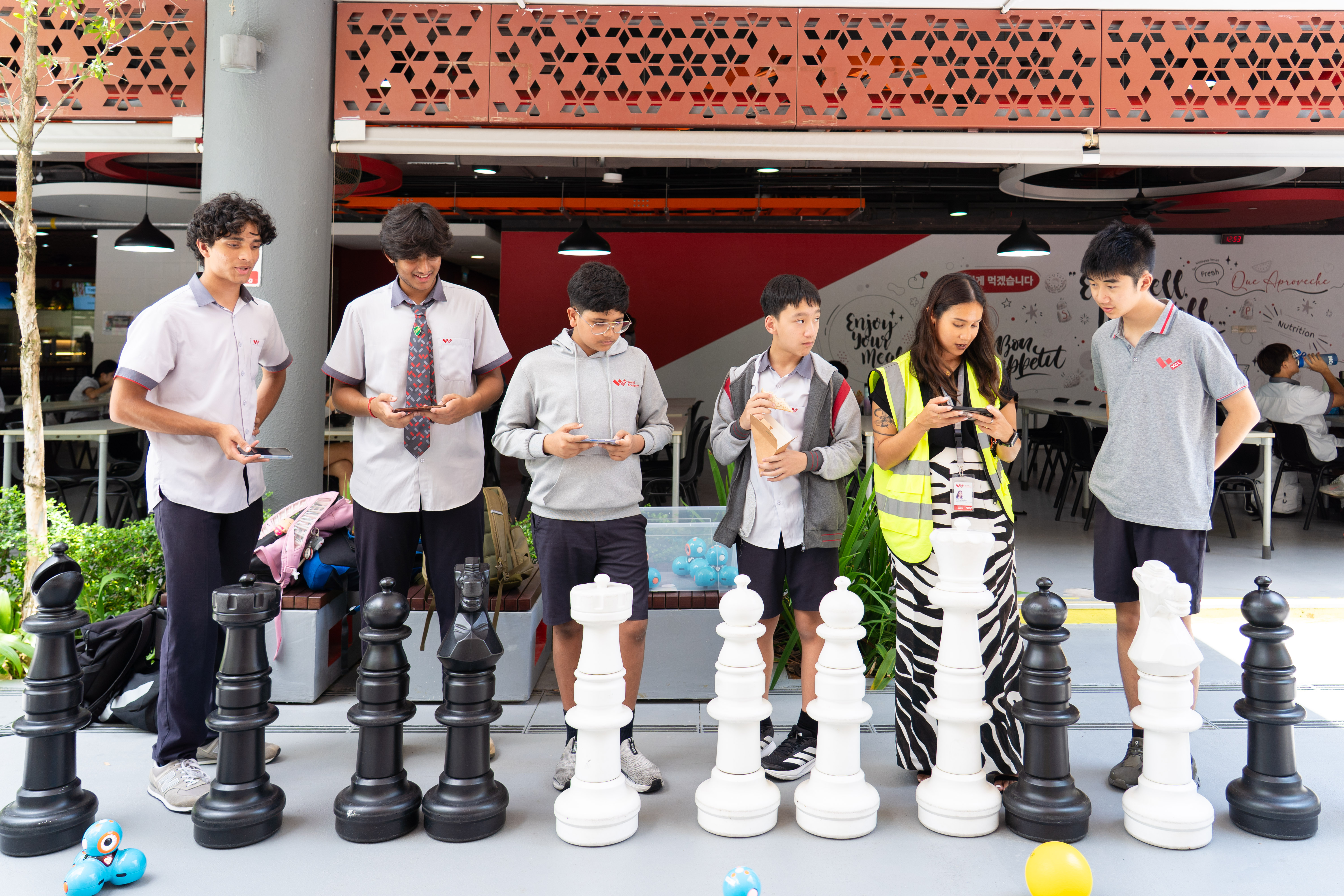
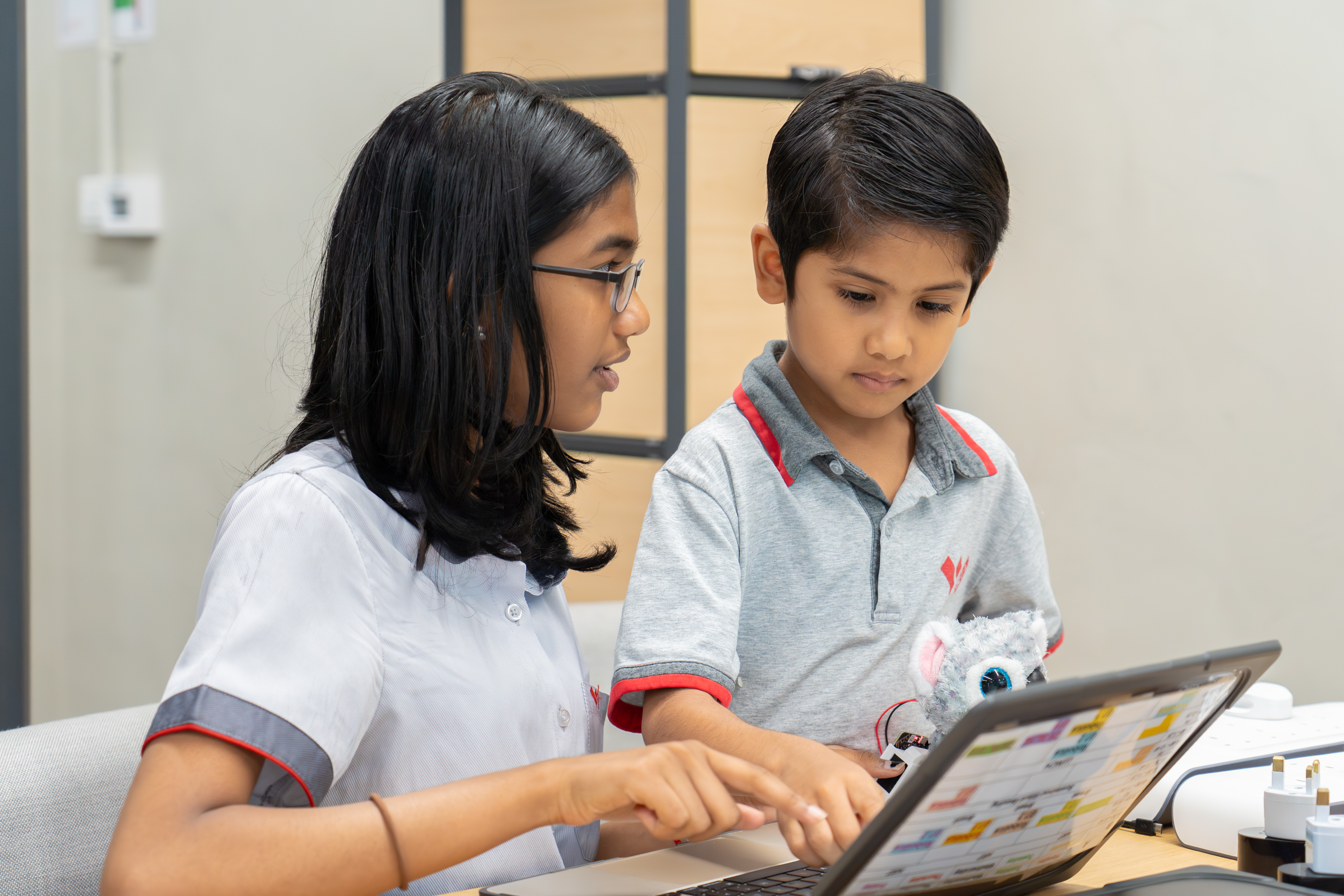
Structured well, this starts remarkably early. XCL World Academy's (XWA) five-year-olds learn to tell real from artificial while programming Bee-Bots, and by Grade 5 students are evaluating deepfakes, examining bias in AI outputs, and mentoring younger classmates in responsible use. Usage is age-appropriate and supervised throughout, and Microsoft Copilot is the only AI chat tool used, from Grade 3 onwards.
Making ideas real
Employers and universities consistently reward people who can take a problem from "someone should fix this" to a working answer. That covers entrepreneurship, problem-solving, and financial literacy to know what an idea costs. Young children come up with ideas all the time. The part that needs deliberate practice is the follow-through: testing a first version, working out what it would cost, and finishing it well enough that someone else can use it. Schools build this by giving ideas real stakes and a real audience, because feedback from people who matter teaches faster than marks alone.
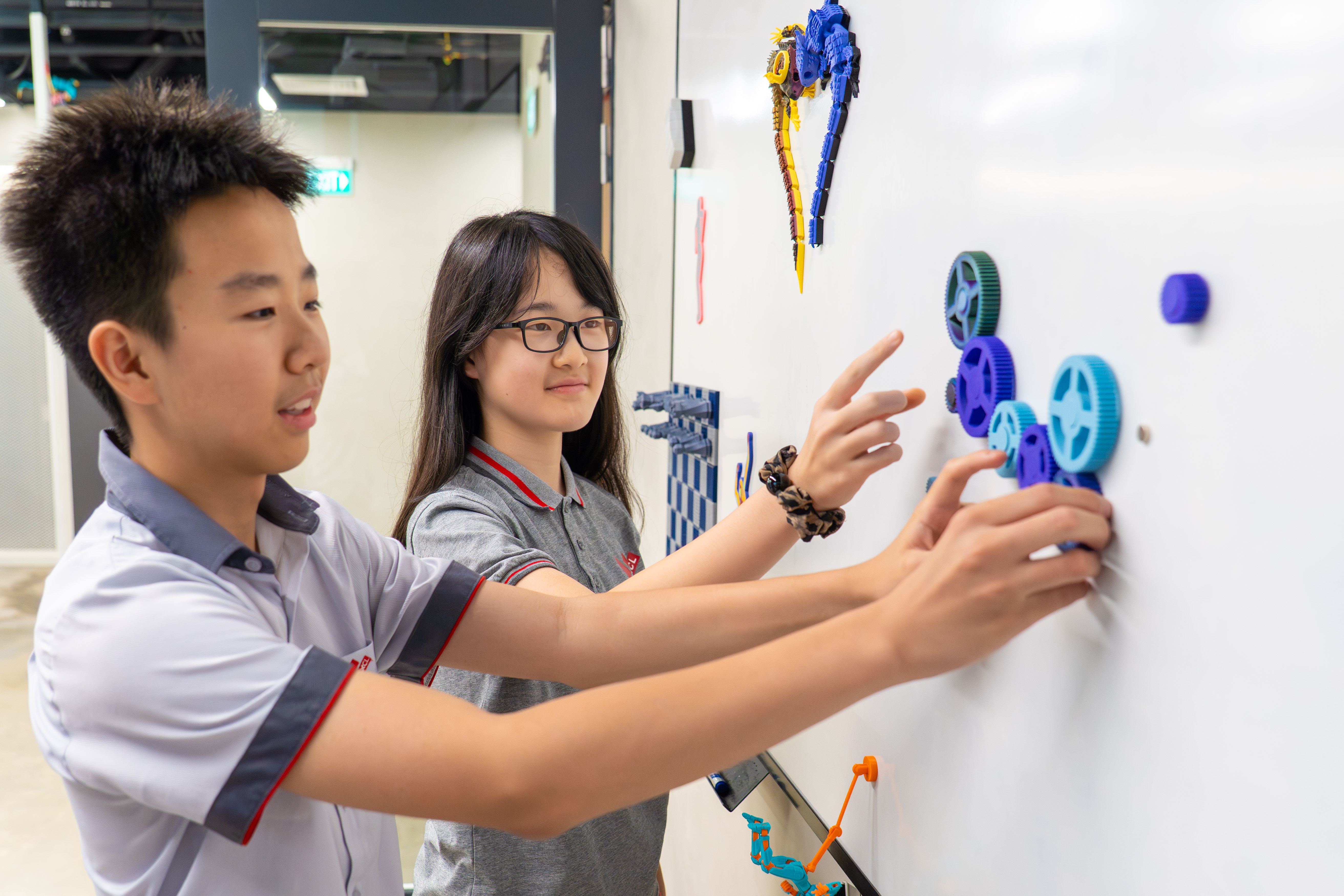
Grade 4 at XWA ends one unit in front of a live investor panel. Students identify a problem, design a product in Tinkercad, 3D-print a prototype, calculate production costs and pricing, then pitch. Financial literacy and decision-making arrive through costing your own idea and choosing what to charge. By secondary school, presenting and defending an idea is familiar ground.
Communicating and creating
Clear communication may be the most durable skill on any list. Machines can generate text; they cannot decide what a particular audience needs to hear, or carry a room. Creativity works the same way: the value sits in the judgement, the perspective, and the voice.
Both develop through repetition in front of real audiences, and they start smaller than most parents expect. A child retelling a story so a younger sibling can follow it is practising audience awareness. A child explaining the rules of a game they invented is structuring an argument. What schools add is range and stakes: regular chances to present in different formats, visual, spoken, written, or filmed, so each child finds the medium where their voice carries furthest, then learns to be understood in the others too.
Leading and belonging
The future of work is collaborative and international. Leadership, teamwork, and cultural intelligence develop through practice with real responsibility, where other people are counting on the result. At primary age, leadership has little to do with titles; it looks like being trusted with something that matters and coming through for the group.
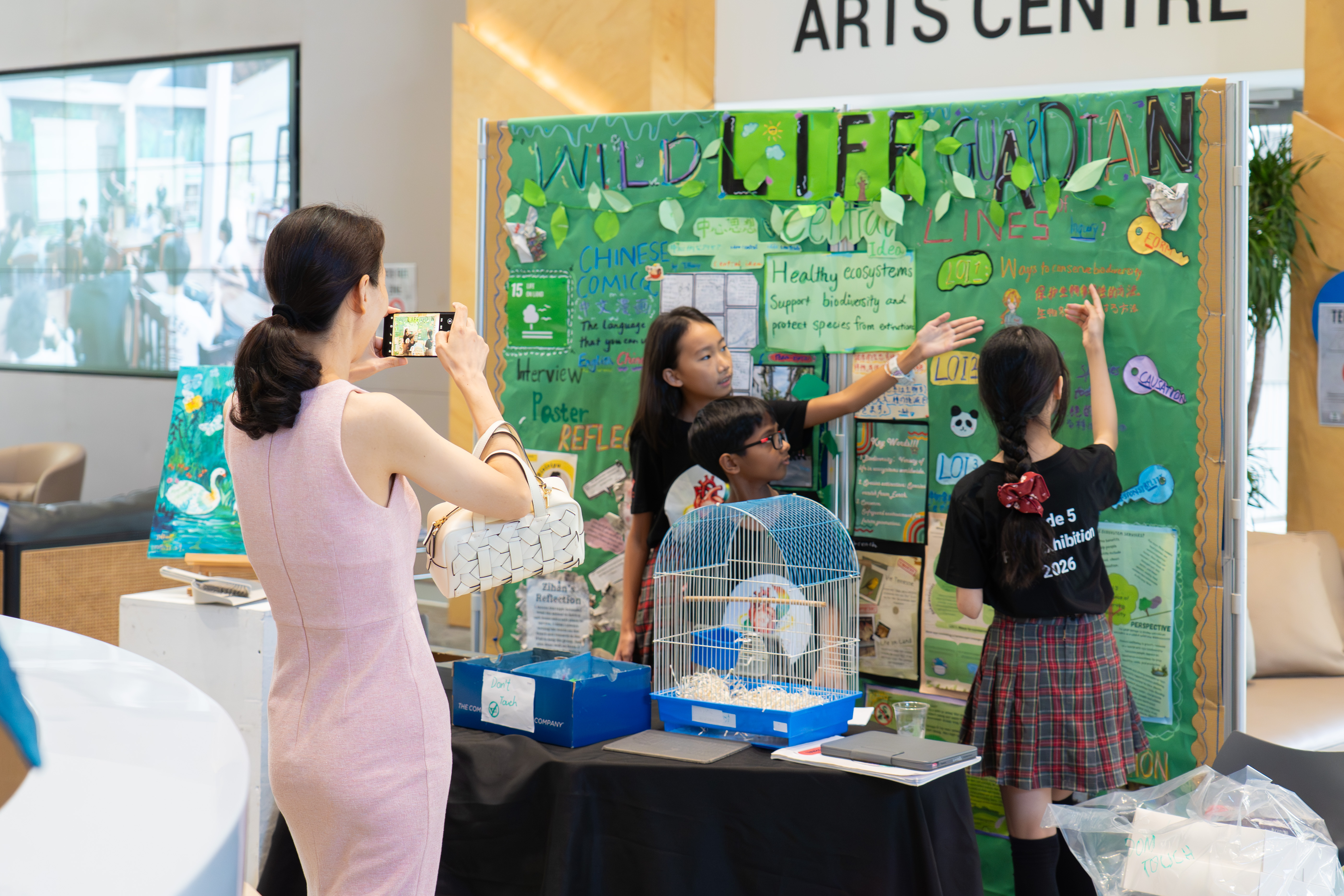
Grade 5 students at XWA serve as Tech Ambassadors, formally teaching younger year groups and leading school-wide initiatives. Sport and the House System do the same work in a different setting: training, competing, and winning or losing as a team builds collaboration habits that no classroom exercise can fully replicate. Year groups work with Singapore community organisations on projects with concrete outcomes, and the year culminates in an exhibition-style project linked to the UN Sustainable Development Goals, presented to parents, teachers, and community partners. Daily life in a community of more than 50 nationalities means cultural intelligence is practised at lunch, in group work, and on the pitch, never just discussed in class.
The thread running through them all
Every cluster above depends on the same underlying habit: adaptability. The newly launched XCLerate Future Skills Programme builds it through design thinking. Students move through empathy, ideation, prototyping, testing, and iteration on every project, and a first version that does not work is treated as part of the process. Children learn to adjust and try again, and that habit carries into maths, writing, and any problem that refuses to resolve on the first attempt. Resilience here is a working method students use weekly.
How it fits together: the XCLerate Future Skills Programme
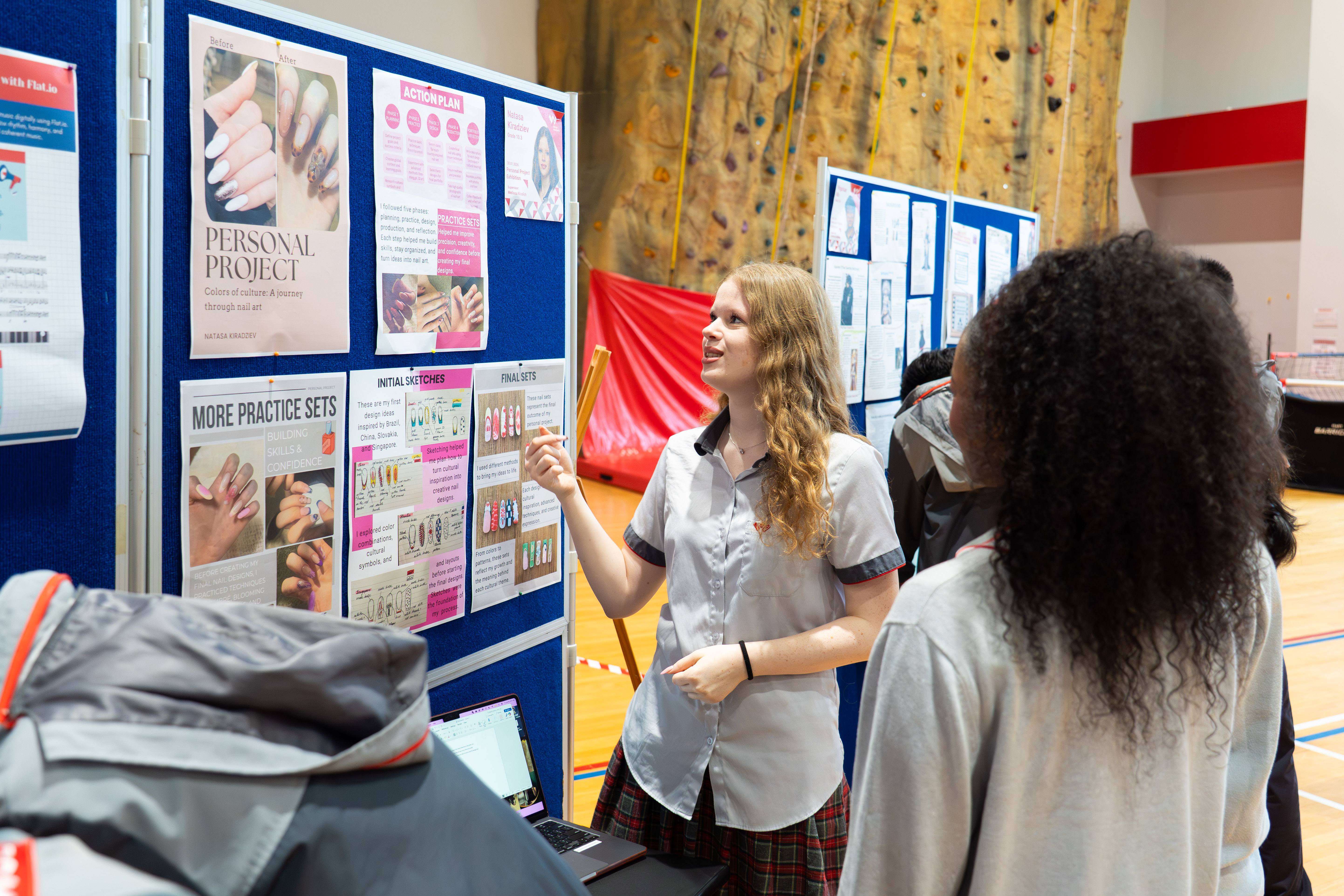
The examples above all come from one place. XCLerate is XWA's future skills programme for the Primary Years, running from KG2 to Grade 5 as a weekly session led by a specialist teacher and embedded in the IB Primary Years Programme. It is built on six pillars: Creative Arts, Community Action Service, Early Start AI & Technology, Entrepreneurship & Financial Literacy, Global Citizenship, and Student Leadership.
Because the programme is woven into the curriculum, the two strengthen each other. When Grade 3 studies magnetism in class, XCLerate students programme robots with magnetic sensors. Open project formats let each child work to their strengths: one Grade 3 student, still early in her English journey, created a wordless animation about homesickness, communicating something words could not yet reach. Skills develop through six-week inquiry cycles connected to what children are already learning, and students document their progress in digital portfolios shared with families at portfolio conferences.
What this means when choosing a school
Three things separate schools that build these skills from schools that describe them. First, the skills live inside the curriculum, with timetabled sessions and specialist teachers, beyond what clubs alone can offer. Second, children's work meets real audiences: community partners, investor panels, exhibitions. Third, there is a structured progression, where each year builds on the last and one-off activities are the exception. XWA's approach is designed around all three, and parents are welcome to see each of them in action on a campus visit.
Preparing for a future no one can predict
Nobody can tell a six-year-old what the working world of 2040 will reward, and an education built on guessing would be fragile. The stronger foundation is a child who can think with technology, make ideas real, communicate with judgement, and work well with people who see the world differently. Children with those habits do more than meet the future. They help shape it.
Discover how the XCLerate Future Skills Programme builds the skills, confidence, and mindset children will carry into the future. Book a personalised tour or explore the campus virtually.
FAQ: Future Skills for Children
What are future skills?
Future skills are the capabilities expected to hold their value as technology and industries change: thinking critically with technology, solving problems, communicating clearly, collaborating across cultures, and adapting when circumstances shift. They complement academic knowledge by determining how well a child can apply it in unfamiliar situations.
At what age should children start building these skills?
Earlier than most parents expect, provided the approach is age-appropriate. Five-year-olds can learn to tell real from artificial and give instructions to simple robots. At XWA, the XCLerate Future Skills Programme begins in KG2 and builds one year at a time through Grade 5, so each stage matches what children are developmentally ready for.
Does a future skills programme come at the cost of academics?
At XWA, the two are designed to reinforce each other. The XCLerate Future Skills Programme is embedded in the IB Primary Years Programme, and its projects connect directly to classroom units, so skills practice deepens academic learning. The same design thinking habits students build in XCLerate support persistence in maths, writing, and inquiry across subjects.
How is AI used safely with young children?
Through structure and supervision. At XWA, AI use is age-appropriate at every stage, Microsoft Copilot is the only AI chat tool used and only from Grade 3 onwards, and the curriculum includes online privacy, source evaluation, and the difference between useful and irresponsible AI use from the start.
.jpg)