

The key to your child’s academic success goes beyond reading books and memorising the lessons. It’s also about knowing the best, most efficient way to learn and absorb the concepts. This is where the need for academic skills comes into the picture.
Higher test scores and better grades can be achieved by helping your child to develop a robust set of academic skills, which include a good grasp of time management, reading and writing literacy, and teamwork skills.
As a parent, you play an important role in helping your children foster and nurture these skills. From creating a productive study routine to signing them up for camps and bringing them to after-school events, there are many things that you can do to support your child’s education and help them realise their academic potential.
In this article, we will review the key academic skills that every student needs to succeed in school, along with some tips and tricks you can use to improve your child’s learning potential.
What are Academic Skills?
Academic skills are talents and habits that benefit academic pursuits such as learning, research, report writing and presentations. These skills keep students focused and motivated to perform well, complete their projects, and manage multiple tasks at once, which increase their productivity and success in school.
For example, children with strong academic skills know how to set goals, plan, organise their time, and collaborate with their peers on group projects, so they don’t get overwhelmed. They know the ideal time to study, the best tools and resources to get their tasks done quickly, and the best strategies to prepare for tests at school.
Adopting essential academic skills can also help your child make better use of their time and enjoy school more. By being efficient at schoolwork, they will have more time for extracurricular activities and for having fun with friends.
These core skills are transferable and valuable in various situations and their future workplace. For instance, having a good grasp of time management will allow them to enjoy a healthy work-life balance. Honing their public speaking skills, on the other hand, can help them communicate better in a range of different situations, including presentations in the workplace.
6 Most Important Academic Skills for Students and How to Improve Them
Let’s look at the most crucial academic skills that would drive your child’s academic success. We’ve also listed some tips to help them build these skills.
1. Time Management
Time management is about the effective and efficient use of time. Students with this skill know how to optimise their energy and time to ensure the completion of all tasks promptly, and still leave sufficient time to perform other activities. With complete control over time, they can stay on track with what is required of them in school without feeling overwhelming stress and pressure.
While mastering this skill can be tricky, you can help your child start by setting a daily routine for them to include time for their homework, playtime and bedtime, until they get used to it.
You can also set a timer as they work on a task. For example, have them work on an assignment for 30 minutes, with some breaks to help them effectively measure time. This will teach them how to prioritise tasks and train their minds to think about how they can complete them within the allotted time.
2. Literacy

Literacy is the ability to comprehend and communicate through reading and writing. It enriches students’ lives and creates opportunities for them to enjoy their educational experiences, succeed academically, learn to express their ideas verbally and in writing, communicate with others, and become more social.
Children learn about literacy through everyday activities at home and in school. As parents, focus on having meaningful discussions to help them listen, understand, and ask questions.
There are countless ways to encourage your child’s love of reading, writing, speaking, and listening at home and develop strong literacy skills.
- Introduce your children to new words to develop their vocabulary.
- Read aloud and go to the library together to nurture their curiosity and desire to read.
- Explore the sounds of language through rhymes.
- Support early writing through scribble writing and spelling exercises.
These exercises will help your child improve their literacy skills and develop higher focus and concentration levels in class, leading to an overall improvement in their academic performance.
3. Teamwork
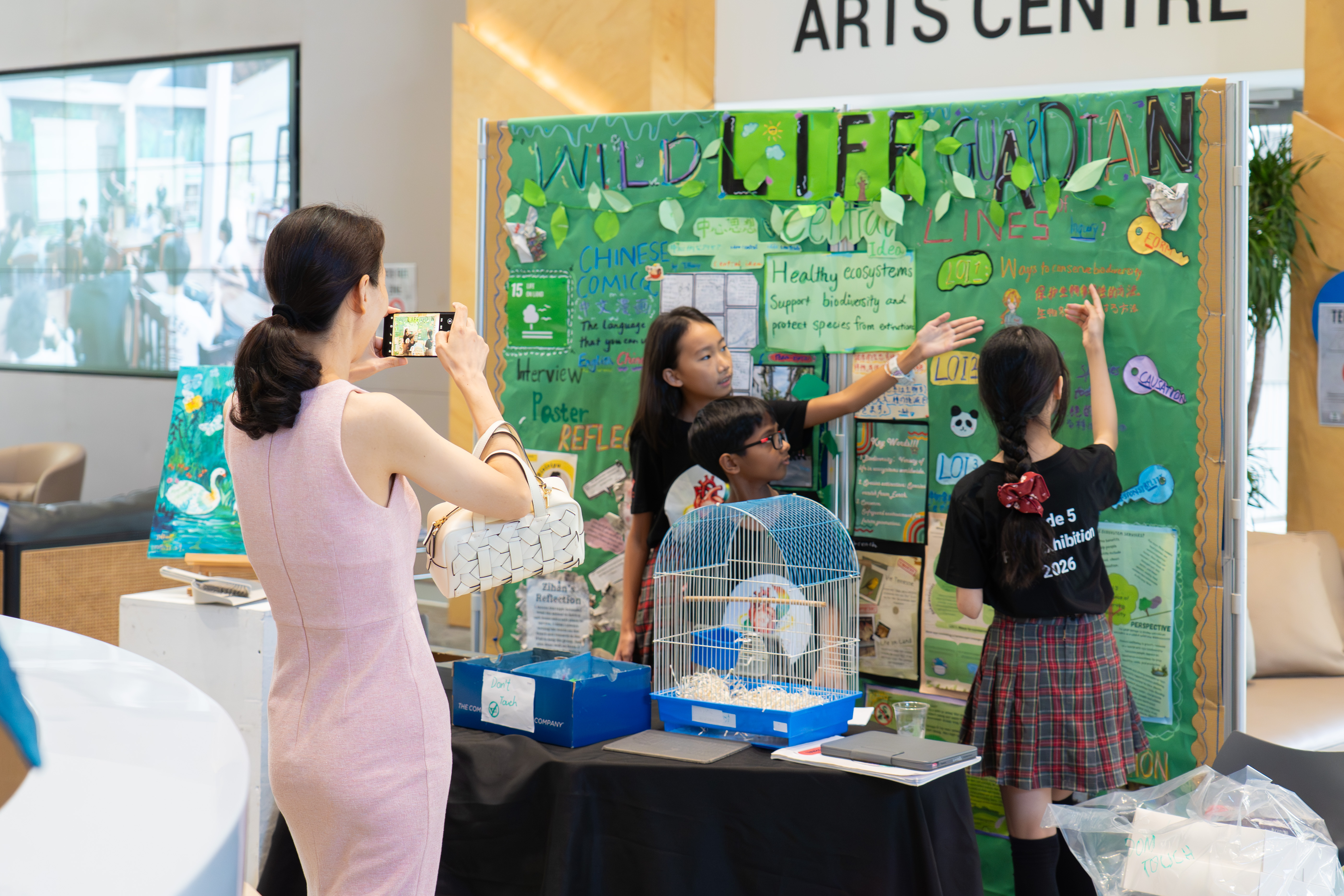
Teamwork is beneficial when collaborating or contributing to group activities. Learning about teamwork and working with peers on various projects helps students develop essential communication and social skills, such as active listening and effective speaking. When working as a team, they learn how to listen to their peers, explore various ideas, and consider different points of view.
Effective collaboration will make it easier for children to finish their tasks and meet their deadlines. Plus, it can be a good stepping stone that can advance their leadership and conflict resolution skills, which would greatly help them succeed in the future.
To foster this academic skill, you can assign simple household chores to your child and ask them to divide the tasks among everyone. This activity will help them realise how they can do more things in less time through collaboration and delegation of activities.
Another great idea is to enrol them in extra-curricular activities or camps to try out team sports, drama performances, or STEAM activities to instil values of teamwork and respect.
4. Digital Literacy

Digitally literate people are adept at finding, assessing, and using information with the aid of digital tools such as social media, web browsers, and online discussion boards. Additionally, they are aware of the risks associated with technology and work to avoid them. This skill is now more essential than ever as technology becomes more integrated into our daily lives.
Start teaching your children how to be digitally adept by showing them the ins and outs of the most common digital tools, like Google and Youtube, and how these platforms can be used for educational purposes.
If your child already knows the benefit of these digital tools, shift your focus and guide them on how to use them safely and responsibly. Familiarise them with some risks that come with them, like cyberbullying and phishing scams. In addition, it is important to teach them how to verify the information published on the internet and become critical and responsible users of various online resources.
More advanced learners should be challenged to explore ways in which emerging technologies (like Artificial Intelligence (AI) platforms and tools), can help accelerate learning. In years to come, our students will be expected to understand the basics of Web3, blockchain, metaverse, AI, coding, robotics, IoT, among others.
5. Public Speaking
Public speaking is an essential skill that children should learn. Effective public speaking skills have many benefits for students, such as the ability to connect with their peers, become confident communicators, and develop leadership skills.
To hone this skill, introduce your child to podcasts, TED, and TEDYouth talks to help them see how to present themselves in a crowd and inspire them to step outside their comfort zones.
If they have an upcoming presentation, you can help ease their anxiety by rehearsing with them and recording their practice presentation. After that, review and reflect on the video to identify areas for improvement.
Another tip to consider is to take them to a public event so they can see how professional public speakers interact with the audience. Let your child observe their gestures and voice pitch so they can understand how to successfully deliver their message when they start giving presentations in class.
6. Critical Thinking
Children who think critically can tell the difference between facts and opinions, analyse information and question ideas rather than simply accept them, and discard any unreliable or illogical arguments. They can find suitable and rational solutions to problems and challenges in the process.
Simple exercises like asking your child open-ended questions can go a long way in building and honing this academic skill. Ask them what they think about their school or what will happen if they don’t finish their homework. These questions will allow your children to make judgments based on facts from their day-to-day school experiences.
Another way to improve your child’s critical thinking is to put them in situations where they must make decisions. It can be done by giving them the choice of what to wear today or planning how to spend their weekly allowance. As they consider the pros and cons of every solution, children learn how to analyse and base their decisions on what works best.
How XWA Can Support Your Child’s Academic Success

XCL World Academy is committed to helping children realise their unique talents and reach their full potential. We provide our students with the best learning environment to help them build the academic skills they need to succeed in life and become future leaders, changemakers, and innovators.
For students aged 2 to 18, we offer a well-rounded curriculum that starts with our Nursery programme and through the full International Baccalaureate (IB) continuum of studies.
Each school day is packed with opportunities for your child to grow, build and hone essential academic skills to realise their full potential. Rest assured that your child is placed in an engaging, warm and fun learning environment where they can express themselves and take an active role in their education.
At XWA, we understand that there are a lot of uncertainties that our students may face in the future. With this in mind, we’ve taken the initiative and started offering college and career counselling to our students as early as Grade 8 to prepare them for the ever-changing future ahead.
As a school of the future, XWA believes that students must be exposed to emerging/frontier technologies, and we are investing heavily into our technology programmes to assure students’ success with technology skills. Your child will also be expected to apply human-centred ‘design thinking’ principles as part of their problem-solving project/collaborative work.
As strong advocates of a balanced education, we engage students in various extra-curricular activities to help them become well-rounded individuals and find new passions.
Atop our rigorous curriculum and future-oriented teaching approach, our school also takes pride in our world-class facilities, providing your children with the best possible learning experiences.
Get in touch with us to learn more about what makes our curriculum unique and how our highly-experienced teachers can help your child to succeed in school and beyond. You can also book a personalised tour of our world-class campus, which is only 20 minutes from the heart of Singapore.
.jpg)