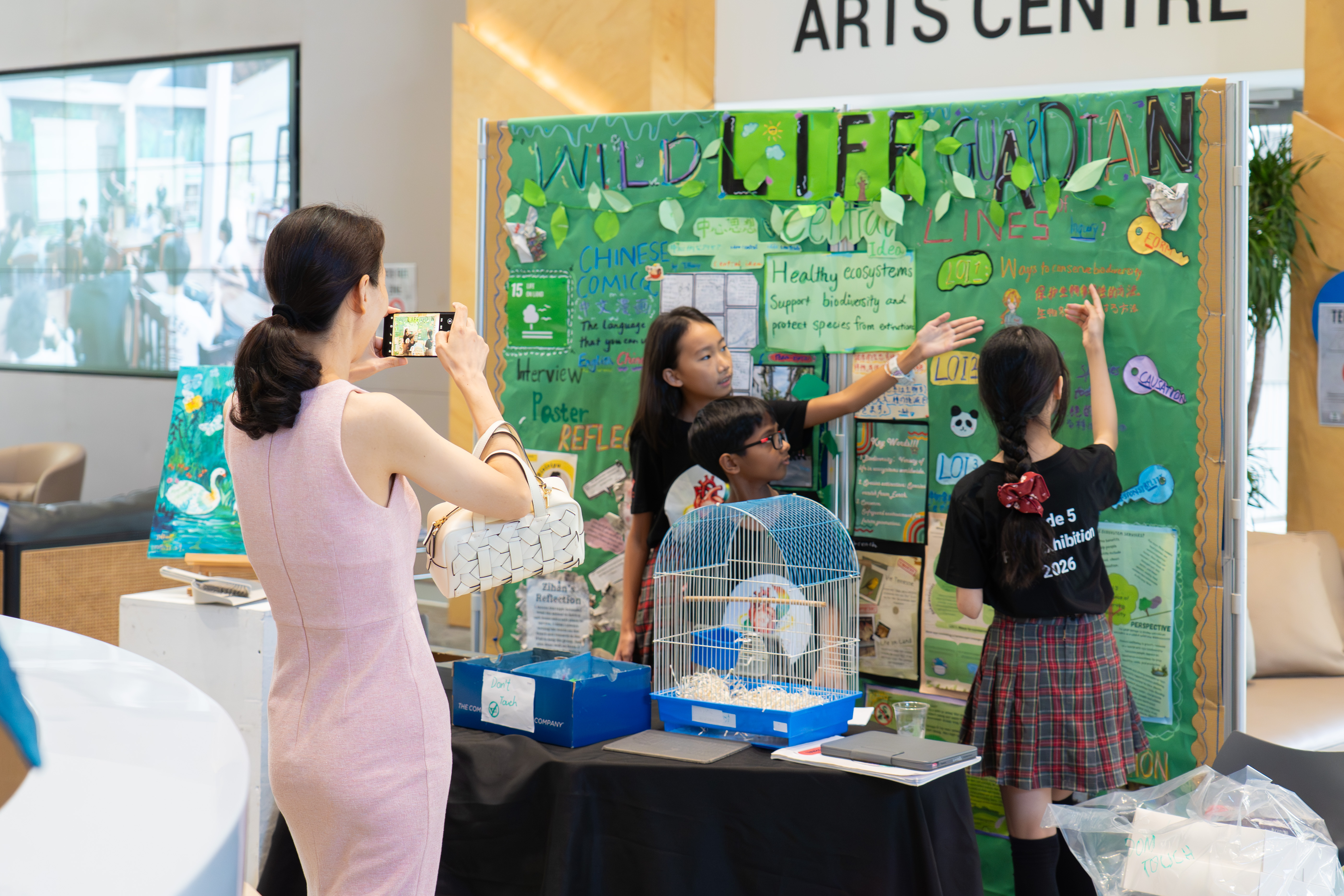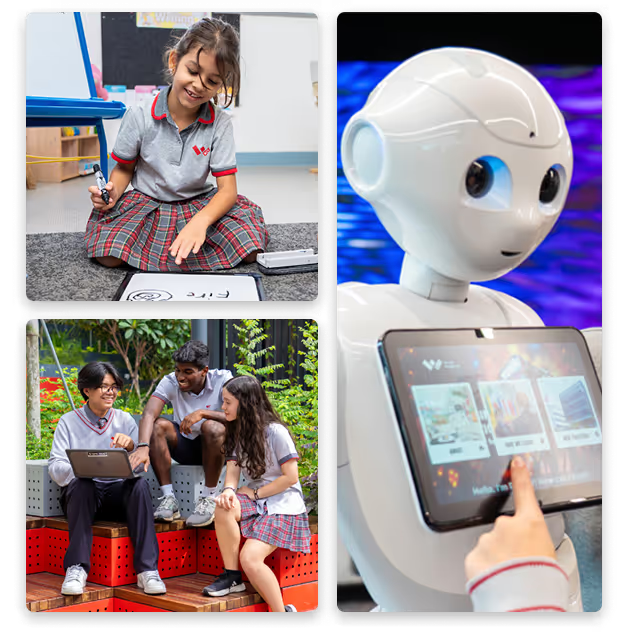


Moving to a new country, especially when you have children, can be thrilling and challenging. Singapore, a bustling global hub renowned for its rich cultural diversity and high quality of life, offers many opportunities for families. However, ensuring your children adapt seamlessly to their new surroundings requires thoughtful planning, open communication, and proactive steps.
Beyond the initial excitement of the move, we will explore the practical steps and strategies to address the emotional and practical aspects of the transition. From understanding your children’s emotions to integrating into the school system and promoting cultural integration, we will provide valuable insights to make this journey meaningful and enriching for your entire family.
A Family-Friendly Heaven for Relocation
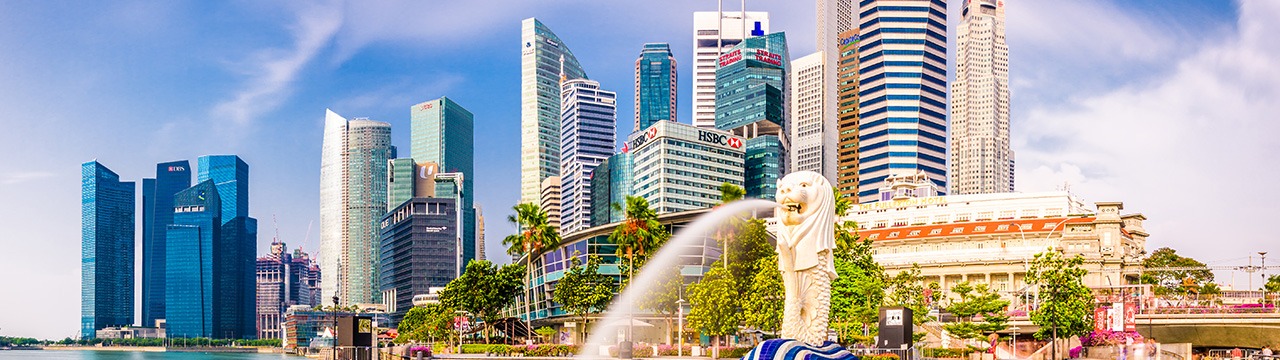
Singapore, often called the “Lion City,” is a vibrant and dynamic metropolis known for its remarkable blend of modernity and tradition. It has also gained recognition as a top destination for families looking to relocate. With its family-oriented infrastructure, excellent education system, and diverse cultural and recreational activities, Singapore is a great place to raise children.
Education excellence: One of the primary reasons Singapore stands out as an ideal place for relocation with children is its world-class education system. Singapore consistently achieves top rankings in global education assessments due to its educational institutions’ emphasis on a rigorous curriculum that nurtures students’ critical thinking and problem-solving abilities from a young age. Additionally, numerous international schools provide expatriate families with a range of options tailored to their needs.
Safe and clean environment: Singapore is renowned for its safety and cleanliness, making it a reassuring environment for families. The low crime rate and efficient law enforcement ensure parents enjoy peace of mind while their children explore the city or play outdoors. Moreover, Singapore’s commitment to environmental sustainability is evident in its lush green spaces, well-maintained parks, as well as extensive, clean and safe public transportation network.
Cultural diversity: Singapore’s diverse and inclusive society welcomes people from around the world. This multicultural environment exposes children to various cultures, traditions and languages, broadening their horizons and fostering a global perspective. The opportunity for children to interact with peers from different backgrounds promotes tolerance, understanding and cultural appreciation.
Healthcare excellence: Singapore boasts a world-class healthcare system, which is essential for any family. Access to top-notch medical facilities, well-trained healthcare professionals and cutting-edge technology ensures that your family’s health is in good hands. Additionally, Singapore’s commitment to public health measures, as demonstrated during the COVID-19 pandemic, underscores its dedication to ensuring the well-being of its residents.

Recreational opportunities: Singapore offers various recreational activities for families to enjoy together. From lush botanical gardens and wildlife parks like the Singapore Zoo and Bird Paradise to the exhilarating Universal Studios Singapore and Sentosa Island’s attractions, there is no shortage of family-friendly entertainment. The city’s numerous playgrounds, sports facilities and cycling paths make it easy for children to stay active and engaged.
Efficient public services: Singapore’s public services, including transportation, make daily life convenient for families. The extensive public transportation system ensures that getting around the city is a breeze.
Strong sense of community: Singapore significantly emphasises building a sense of community among its residents. This commitment is evident through various community engagement programmes and events. These initiatives create opportunities for families to connect with their neighbours and form lasting bonds, ensuring a supportive and friendly environment for children to grow.
As an adult and parent considering the move to Singapore, you undoubtedly understand the numerous benefits this vibrant city-state offers for your family’s future. However, it is natural to wonder how to ensure a smooth transition for your child that fosters excitement rather than fear and helps them embrace their future as a Third-Culture Kid (TCK).
Top Tips for Preparing Your Children for a Seamless Transition to a New Country
Now that we have explored some of the most exciting things about moving to Singapore, let’s delve into how you can help your children cope with this move and make the journey genuinely fulfilling for them and the entire family.
- Open communication: Open and honest communication is the key to a successful move. Talk to your child about the upcoming change, explaining its reasons and highlighting the positive aspects of living in Singapore. Encourage them to share their thoughts and concerns and listen attentively to their feelings.

- Research together: Engage your child in researching Singapore. Explore its culture, landmarks and attractions through books, videos and online resources. This can help them become familiar with their new home and build excitement.
- Visit in advance: If possible, plan a visit to Singapore before the move. This allows your child to experience the city first-hand, visit potential schools and explore neighbourhoods. Familiarity can ease the transition.
- School selection: Involve your child in the process of selecting a school. Many international schools in Singapore offer school tours (virtual and on-campus) and introductory Open House sessions. Discuss school options together, addressing your child’s concerns or preferences.
- Connect with other families: Seek out expat groups or online forums where you can connect with other families who have made a similar move. Your child may find comfort in knowing they are not alone and can make new friends even before arriving.
- Celebrate differences: Emphasise the value of diversity and multiculturalism. Encourage your child to embrace and learn from the various cultures they will encounter in Singapore. Attend cultural events and festivals to celebrate differences together.
- Plan exciting adventures: Create a “Singapore bucket list” of places and activities your family wants to explore. Involve your child in planning outings and adventures, making the move to Singapore an exciting journey.
- Foster a strong sense of identity: Encourage your child to understand and appreciate their own cultural background. This will provide them with a solid foundation.

- Stay positive: Your attitude sets the tone. Maintain a positive outlook about the move, highlighting the opportunities and adventures that await. Children often pick up on their parents’ emotions, so staying optimistic can be contagious.
Remember that every child’s experience is unique, and it is natural for them to have mixed feelings about moving to a new country. With patience, understanding and a supportive approach, you can help your child embrace the exciting adventure of starting a new chapter in Singapore as a TCK. Over time, they may come to love their new home just as much as you do.
Help Your Child Build a “RAFT” to Their Future Home and School
Some parents worry that telling their children about a move too early could affect them negatively, but this is not always the case. David C. Pollock and Ruth E. Van Reken, authors of “Third Culture Kids: Growing Up Among Worlds,” advise sharing the news when it’s public knowledge in your community and when you’re comfortable telling close family and friends. This approach gives your child time to process their emotions, say goodbye to their current life, and prepare for the next chapter.
What’s next once you have informed your child about the upcoming move? The authors recommend using the “RAFT” concept to ease the transition. Here’s how to build a “RAFT”:
“R” for Reconciliation: It is never good to leave on bad terms, so the first thing to do is help your child resolve any conflicts or unhappy situations they may have. A conflict could be anything from a trivial fight at the playground to something as major as broken trust in a friendship. It’s best to talk to your child and help them mend and resolve these conflicts if possible. Otherwise, it’s still good to talk them through it and teach them how to process these feelings.
“A” for Affirmation: Encourage your child to think about the positive experiences they have been through in their current environment, especially memories with family members and friends they have at school. Together with reconciliation, both steps will help your child have fond memories of their current home, which paves the way for a happier transition to their new environment.
“F” for Farewell: Bidding farewell is essential in the process of moving away. Talk to your child about “last”, e.g. the last time to see their friends, the last day in their current school, or the last visit to their favourite playground. This ensures that the leaving process doesn’t feel too abrupt and that your child will have time to properly bid their favourite people and places goodbye.
“T” for Think destination: Finally, prepare your child for their future home and school by encouraging them to think about the new destination. You can do this by virtually exploring your new neighbourhood and city: show them the fun places you can hang out at as a family, let them know what their new school looks like, or show them a map of the city and let them pick out the places they want to explore. This way, your child can have something to look forward to while being mentally prepared to be in a new environment.

How Long Does it Take Your Child to Adjust to a New Country After Relocation?
The adjustment period for children when relocating to a new country can vary widely depending on various factors, including the child’s age, personality, previous experiences and the level of support and preparation they receive from their parents. Here are some general guidelines on what to expect and how to help children adjust to a new country as a parent:
Timeline for adjustment
Younger children (nursery, kindergarten, preschool, primary or elementary school age) often adapt more quickly than older children or teenagers. It can take anywhere from a few weeks to several months for children to fully adjust to their new surroundings. The adjustment process is not linear, and children may experience ups and downs.
Challenges children may face
Language barrier: Learning a new language can be one of the most significant challenges. Children might initially struggle to communicate effectively, which can lead to frustration.
Cultural adjustment: Adapting to a new culture, customs and social norms can be challenging.
School adjustment: Navigating a new educational system, making friends and adjusting to different teaching methods can be stressful.
Emotional impact: Children may experience homesickness, loneliness and a sense of loss for their old friends and familiar environment.
How to Help Children Adjust to a New Country After Relocation?
Relocating to a new country is undoubtedly a life-altering experience for children, filled with excitement, uncertainty and adaptation challenges. As parents, it is crucial to provide the necessary support and guidance to help your children thrive during this significant transition and adaptation to a new country. From emotional support to cultural immersion, there are several strategies you can employ to ensure your kids adjust smoothly to their new environment.
Provide emotional support: Listen to your children’s concerns and validate their feelings. Offer comfort and reassurance when they are feeling overwhelmed or homesick.
Cultural immersion: Participate in cultural activities and events in the new country. Explore local traditions and foods to help your children appreciate and adapt to the new culture.

Mantener rutinas: La constancia puede ser reconfortante. Intenta mantener rutinas familiares, como los rituales antes de dormir o las tradiciones familiares, incluso en tu nuevo hogar. Esto puede proporcionar una sensación de estabilidad durante la transición.
Habilidades lingüísticas: El idioma es una parte crucial de la cultura. Anima a tu hijo a dominar el idioma local, ya que le ayudará a conectar con la cultura de acogida y a adaptarse más fácilmente.
Mantener las conexiones: Fomenta las conexiones con la cultura de origen de tu hijo, ya sea a través de visitas, manteniendo relaciones con la familia extendida o participando en eventos culturales.
Fomenta una mentalidad de crecimiento: Enseña a tu hijo que los desafíos son oportunidades para crecer. Fomenta la resiliencia y la adaptabilidad.
Red de apoyo: Ayuda a tu hijo a construir una red de apoyo de amigos que entiendan la experiencia de la tercera cultura. Pueden ofrecer apoyo emocional y compartir experiencias similares.
Conecta con otros expatriados: Busca expatriados locales o comunidades internacionales donde tus hijos puedan conocer a otros que hayan pasado por experiencias similares.
Mantente involucrado en la escuela: Mantente en contacto cercano con la escuela de tus hijos, sus maestros y consejeros. Asiste a las reuniones de padres y maestros para entender cómo se siente tu hijo en la escuela y su progreso. Además, recomendamos encarecidamente unirse a varios eventos escolares que ayudarán a padres e hijos a conectar con la comunidad escolar y encontrar nuevos amigos.
Fomenta las amistades: Ayuda a tus hijos a hacer nuevos amigos organizando citas para jugar, uniéndose a clubes o equipos deportivos y participando en diversas actividades.
Actividades extracurriculares: Anima a tu hijo a participar en actividades extracurriculares y pasatiempos que le interesen. Esto puede proporcionar una sensación de continuidad y estabilidad.
Busca apoyo: No dudes en buscar apoyo de consejeros escolares o terapeutas si tu hijo experimenta dificultades para adaptarse. La orientación profesional puede ser fundamental para ayudar a tu hijo a adaptarse a su nuevo entorno.
Guiar a sus hijos a través del proceso de adaptación a un nuevo país requiere paciencia, empatía y un enfoque proactivo. Al proporcionar apoyo emocional, fomentar la inmersión cultural, mantener rutinas y fomentar la resiliencia, puede ayudar a sus hijos a adaptarse a su nuevo entorno y a crecer como personas seguras y adaptables. Construir una red de apoyo dentro de la comunidad local y de expatriados, así como en la escuela, mejorará aún más su experiencia, asegurando que prosperen en su nuevo hogar y creen recuerdos duraderos en el camino.
Cómo XCL World Academy facilita la transición de los niños a un nuevo país y escuela
En XCL World Academy (XWA), nos enorgullece enormemente cultivar un ambiente de inclusión, donde cada estudiante, independientemente de su origen o nacionalidad, es cálidamente recibido en nuestra comunidad.
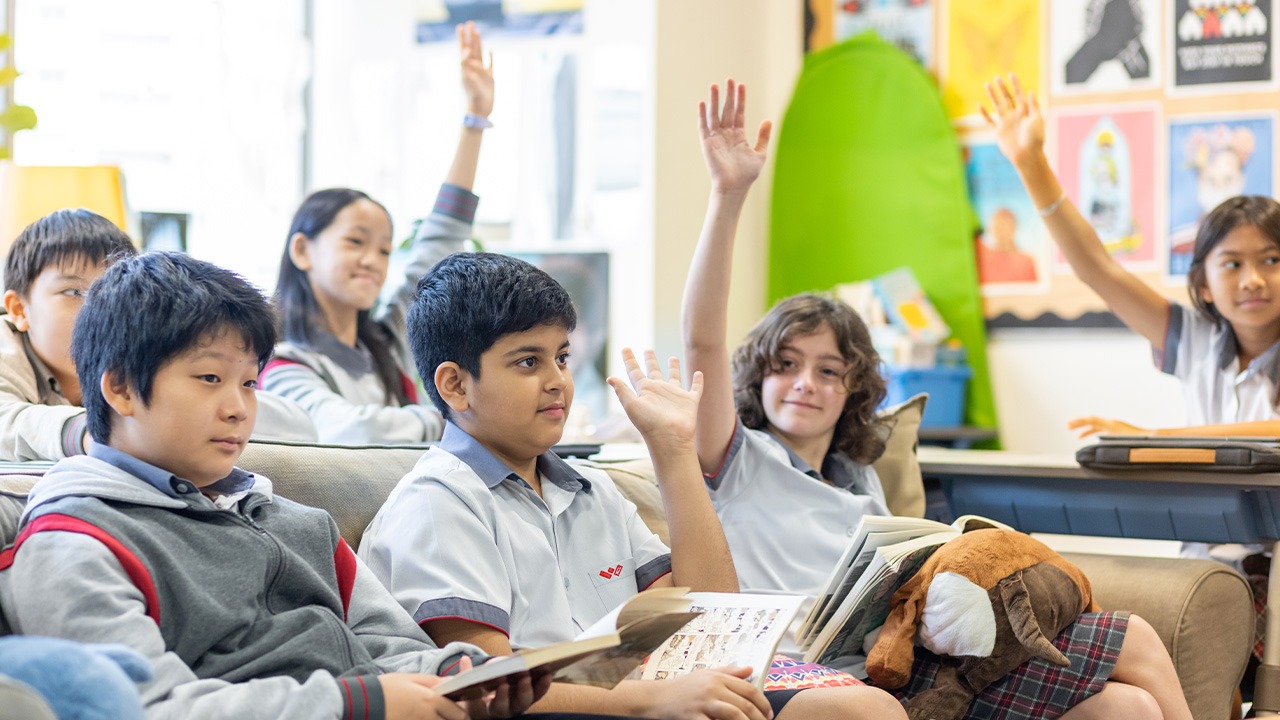
Con un alumnado que representa a casi 50 países diferentes y sin una nacionalidad o grupo cultural dominante, valoramos y promovemos la diversidad al tiempo que fomentamos la inmersión cultural. Dentro de nuestra vibrante comunidad, sus hijos pueden aprender, colaborar e interactuar con compañeros de diversas nacionalidades. Organizamos activamente eventos culturales y facilitamos diálogos interculturales, fomentando una profunda comprensión y aprecio por las diversas culturas, idiomas, perspectivas y los niños de tercera cultura.
Reconocemos los desafíos únicos que enfrentan los estudiantes expatriados al acostumbrarse a un nuevo país, cultura y escuela. Nuestro atento y dedicado profesorado y orientadores escolares garantizan que cada niño se sienta bienvenido, plenamente apoyado y valorado desde el momento en que pone un pie en nuestra escuela. Vamos más allá para fomentar un profundo sentido de pertenencia, estableciendo un entorno seguro e inclusivo donde sus hijos puedan prosperar.
Valoramos la importancia de forjar amistades como el paso inicial para que los estudiantes establezcan un sentido de pertenencia y seguridad, fundamentales para un aprendizaje eficaz. Nuestros Embajadores Estudiantiles y Mentores asisten activamente a los estudiantes nuevos y existentes a través de diversas actividades de transición. Estas incluyen la creación de estaciones de actividades interactivas y la exhibición de mensajes de ánimo. Además, estas personas dedicadas ofrecen apoyo emocional y verifican regularmente el bienestar de nuestros estudiantes, ayudándolos a superar los desafíos de adaptarse a un nuevo entorno. Nuestros esfuerzos colectivos fomentan una comunidad escolar positiva y enriquecedora.

Además, nos comprometemos a abordar el bienestar social y emocional de los estudiantes durante su período de transición y más allá. La escuela ofrece servicios de orientación integral y apoyo socioemocional, proporcionando a sus hijos herramientas esenciales para afrontar cualquier desafío que puedan encontrar mientras se embarcan en su viaje en Singapur. A través de la orientación y el apoyo, XCL World Academy los empodera para desarrollar resiliencia y las habilidades necesarias para prosperar en su nuevo entorno.
Asegure que su hijo reciba una experiencia educativa enriquecedora y transformadora inscribiéndolos en XCL World Academy, una escuela internacional con sede en Singapur. Contacte con nuestro equipo de admisiones hoy mismo, y permítanos guiarle a través de una transición sin problemas hacia una educación de primer nivel.
.jpg)