

PROGRAMME SCOLAIRE
QUI FORME DES PENSEURS
De la crèche à la 12e année, l'apprentissage suit le développement de l'enfant. En tant que l'une des rares écoles de Singapour à offrir le continuum complet du Baccalauréat International (IB), du PP au PEI et au PD, la promotion 2025 a obtenu une moyenne de 33,2 points au Diplôme de l'IB et a remporté 16,44 millions de dollars US en bourses universitaires, ce qui témoigne de notre force en tant qu'école IB de premier plan.
En mai 2026, la promotion 2026 a déjà obtenu plus de 550 offres universitaires et plus de 23 millions de dollars US en bourses.
.jpeg)
#2 Meilleure école de l'IB,
Singapour, 2026
#2 Meilleure école de l'IBDP,
Singapour, 2026
%20(1).jpg)
Le parcours du Baccalauréat International (IB)
L'apprentissage à XWA suit une progression cohérente, des premières années jusqu'à l'obtention du diplôme, chaque étape s'appuyant sur la précédente. XWA propose le continuum de l'IB : le Programme primaire (PP), le Programme d'éducation intermédiaire (PEI) et le Programme du diplôme (PD), afin que votre enfant puisse progresser de l'âge de 3 ans jusqu'à l'obtention de son diplôme sans changer de système.
.png)
.png)
.png)
Pourquoi choisir l'IB ?
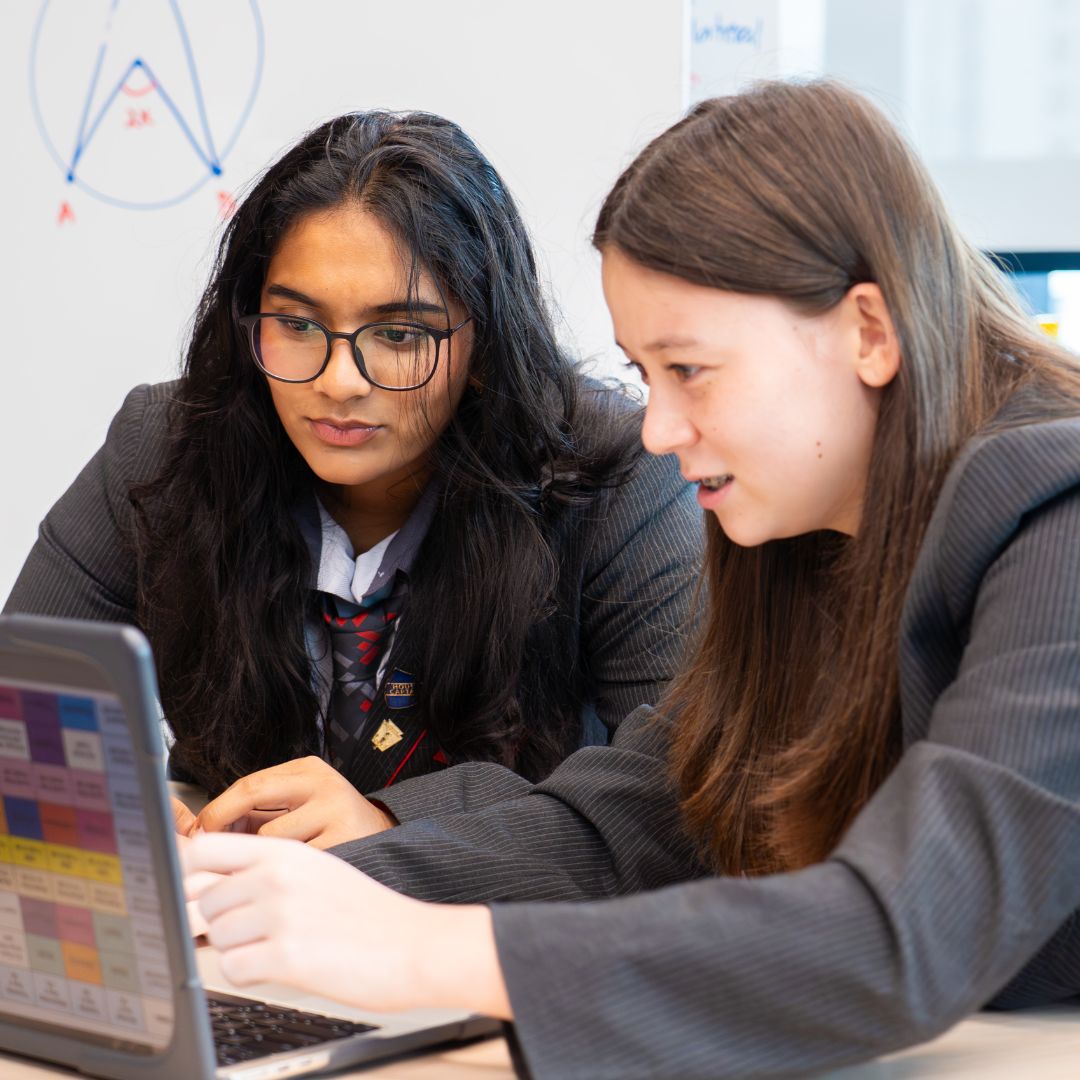
Le Baccalauréat International (IB) est un programme d'études reconnu mondialement et académiquement rigoureux qui développe la pensée critique, les compétences en recherche et l'autonomie, plutôt que la mémorisation par cœur. Il est accepté par les universités du monde entier, ce qui en fait un excellent choix pour les familles susceptibles de déménager. Les élèves développent les qualités du profil de l'apprenant de l'IB, telles que l'esprit de recherche, l'ouverture d'esprit et la réflexion, et acquièrent des compétences d'Approches de l'apprentissage, notamment la recherche, la communication et l'autogestion.
Qu'est-ce qui distingue XWA des autres écoles de l'IB ?
Dès l'âge de 4 ans, votre enfant participe aux sessions XCLerate qui couvrent la littératie en IA, l'entrepreneuriat et le leadership. Au collège, la "Semaine sans murs" emmène les élèves à travers l'Asie du Sud-Est pour des actions de service et des échanges culturels. L'orientation scolaire commence en 8e année, et dans les années supérieures, les conseillers aident chaque élève à choisir la voie qui correspond à ses forces et à ses objectifs — qu'il s'agisse du Diplôme du Baccalauréat International (IB), du Diplôme d'études secondaires ou des cours AP.
Est-ce uniquement académique ? Chaque étape comprend les arts visuels, les arts du spectacle, le sport et l'apprentissage par le service, en plus des matières académiques. Le leadership commence dès les années primaires par la voix des élèves, les responsabilités en classe et les initiatives, et se poursuit par des clubs dirigés par les élèves au collège jusqu'aux projets CAS du Diplôme. L'accompagnement pastoral et le soutien au bien-être garantissent un équilibre avec les études. Votre enfant grandit sur le plan académique, social et en tant que citoyen du monde.
Le parcours scolaire de votre enfant
Crèche
La curiosité commence ici

Maternelle
IB PYP : Programme primaire de l'IB
Apprendre par l'investigation
.jpg)
IB PYP : Programme primaire de l'IB
IB MYP : Programme du premier cycle secondaire de l'IB
Relier les idées au monde réel
.jpg)
IB MYP : Programme du premier cycle secondaire de l'IB
IBDP : Programme du diplôme de l'IB
Maîtriser sa façon de penser
.jpg)
IBDP : Programme du diplôme de l'IB
Diplôme d'études secondaires
Un apprentissage centré sur eux

Diplôme d'études secondaires
Cours Advanced Placement
Exceller dans ce qui les passionne

Cours Advanced Placement
Crèche
À cet âge, votre enfant a besoin de sécurité, de chaleur et d'un cadre structuré en douceur. Le programme de la crèche de XWA développe la confiance dès le plus jeune âge par le jeu sensoriel, la musique, le mouvement et les prémices de l'interaction sociale. Les petits groupes permettent aux enseignants de détecter quand votre enfant est prêt pour l'étape suivante.
Points clés
- Trust in caregivers and surroundings
- Early language through songs, stories, and conversation
- Motor skills through structured play.
- Early emotional regulation
Milestones Development
By the end of Nursery, your child will separate confidently from you at drop-off, follow simple classroom routines, and show curiosity about the world around them. They're ready for Pre-K.
IB PYP: Primary Years Programme
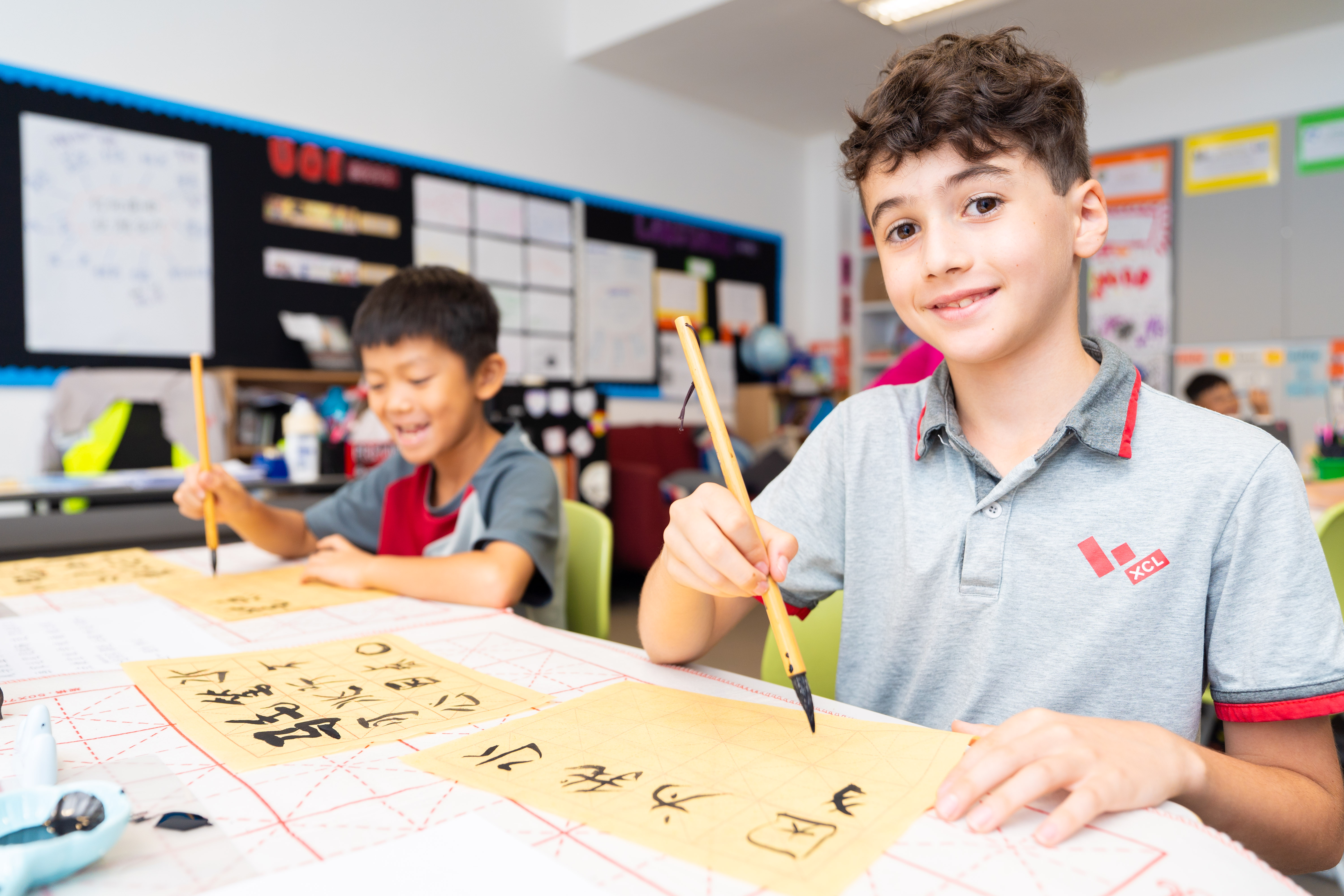
The primary years build the academic foundations your child will rely on for the rest of their education. Strong literacy, numeracy, and learning habits developed now set them up for success in secondary school and beyond.
Beyond memorisation, children explore big ideas like identity, sustainability, community, and how the world works through Units of Inquiry that connect subjects and encourage questions.
Teachers explicitly teach reading, writing, and numeracy, then help your child apply these skills through discussion, projects, and investigation. Learning is further enriched through one of Singapore’s leading bilingual programmes, where English and Mandarin are taught immersively within the curriculum, as well as through regular outdoor learning experiences that extend the classroom into real-world environments.
Key Learning
- Explicit literacy and numeracy instruction
- Bilingual immersion in English and Mandarin, with French and Spanish also offered
- Weekly XCLerate sessions from KG2 covering creative arts, community action service, AI & Tech, global citizenship, financial literacy, and student leadership
- Specialist art, music, strings, dance, and PE
- Outdoor learning experiences that connect classroom concepts to the real world
Milestones Development
By Grade 5, your child presents their PYP Exhibition, a research project they design and conduct themselves. They share their thinking with an audience beyond the classroom.
IB MYP: Middle Years Programme
The Middle Years build confidence, independence, and critical thinking while keeping your child grounded in strong academic foundations. From Grade 6 to 10, students learn across eight subject areas that examine real issues like sustainability, media influence, human behaviour, and global citizenship. They question, debate, research, and communicate their ideas clearly.
Beyond the classroom, Week Without Walls takes students across Southeast Asia for service and cultural exchange. From Grade 6, the AI Programme by XWA introduces structured AI literacy. Student-led clubs and theatre productions give students ownership of their community.
Key Learning
- Eight subject groups connecting classroom learning to real-world issues
- Critical thinking, research, academic writing, and developing personal voice
- AI Programme by XWA from Grade 6
- Week Without Walls expeditions across Southeast Asia
Milestones Development
By Grade 10, your child completes their Personal Project, a year-long independent investigation into a question of their choosing. This is also when they confirm their pathway for Grades 11 and 12, following two years of counselling that begins in Grade 8. Counsellors work closely with families to choose the right combination of IB Diploma, High School Diploma, and AP courses based on each student’s strengths and goals.
IBDP: IB Diploma Programme
Students who thrive on breadth, depth, and independent inquiry often choose the IB Diploma. Over two years, students study six subjects across languages, sciences, and mathematics, with the option to pursue the arts, while developing critical thinking through Theory of Knowledge, conducting original research through the Extended Essay, and engaging with the real world through Creativity, Activity, Service. This is supported by dedicated University Guidance and Counselling that starts as early as Grade 8, and strong pastoral care.
Exceptional performers can extend their potential through the XWA Aspire Academy, accessing high-performance pathways designed to nurture talent at an advanced level.
Key Learning
- Depth and breadth across six groups
- Questioning assumptions
- Producing original research
- Balancing academics with service and creativity
Milestones Development
Students complete the IB Diploma prepared for university applications worldwide, supported by dedicated counsellors and pastoral care. The Class of 2026 averaged 34 points and earned USD 25 million in scholarships. Click here to view university placements and scholarships for the Class of 2026.
High School Diploma
The High School Diploma suits students who thrive with flexibility, personalised pacing, and continuous assessment rather than high-stakes examinations. XWA shapes this pathway around your child’s strengths and future goals, allowing them to build a personalised academic journey and deepen their interests through a combination of IB subjects and AP courses. Along the way, students are guided by dedicated University Guidance and Counselling, alongside strong pastoral care that supports both academic progress and wellbeing.
For those performing at a high level, the XWA Aspire Academy offers additional pathways to further develop their talents through focused, high-performance programmes.
Key Learning
- Flexible course selection tailored to your child's strengths and goals
- Option to combine with IB subjects and AP courses for added depth
- Continuous assessment supporting consistent progress
Milestones Development
The High School Diploma is recognised by universities globally. For students whose goals align with this pathway, it offers a focused route to graduation with strong preparation for university applications.
Advanced Placement Courses
Students seeking greater depth in specific subjects can complement their IB Diploma or High School Diploma with Advanced Placement (AP) courses. These courses provide university-level rigour across a range of subjects, supported by thoughtful subject selection and ongoing university counselling. Students are further supported through a strong pastoral framework that nurtures both academic progress and overall wellbeing.
Those demonstrating high potential can extend their talents through the XWA Aspire Academy’s advanced performance pathways.
Key Learning
- Tackling university-level challenges early
- Converting strong scores into course credit
- Building expertise in their strongest subjects
Milestones Development
Strong AP exam scores enhance university applications and can earn course credit or exemptions at universities worldwide. For students aiming for selective programmes, AP results demonstrate readiness for university-level work.
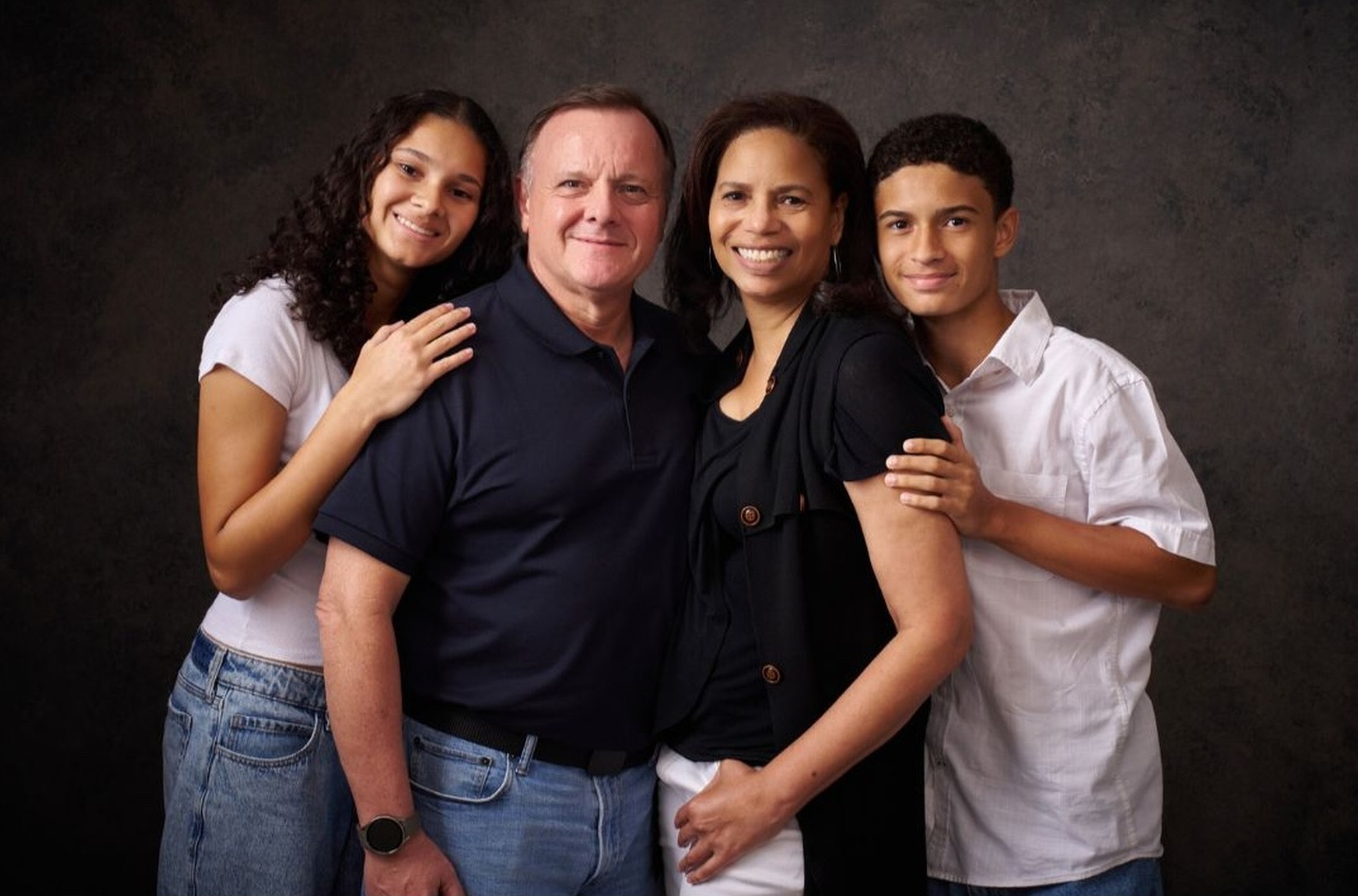
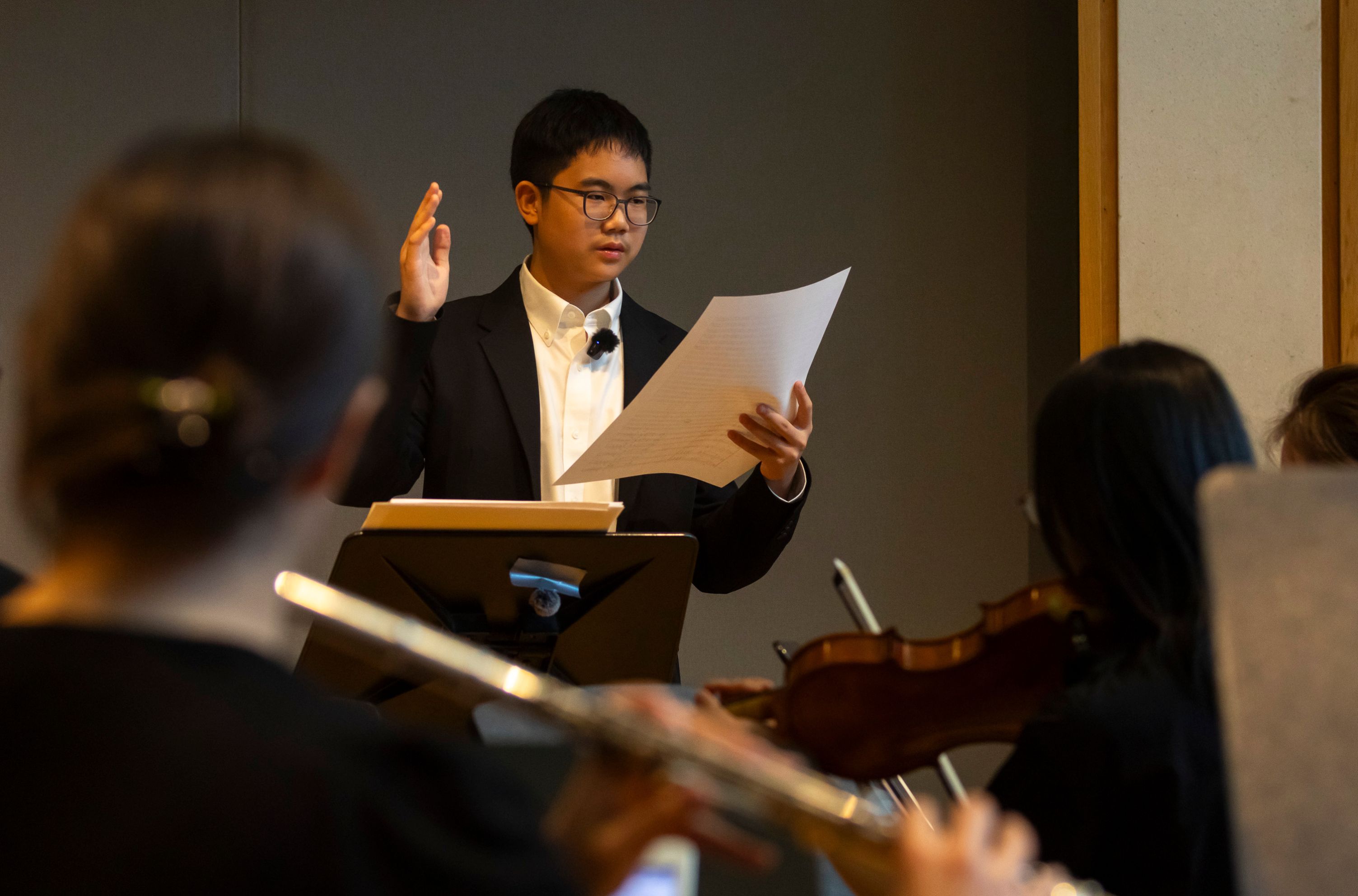
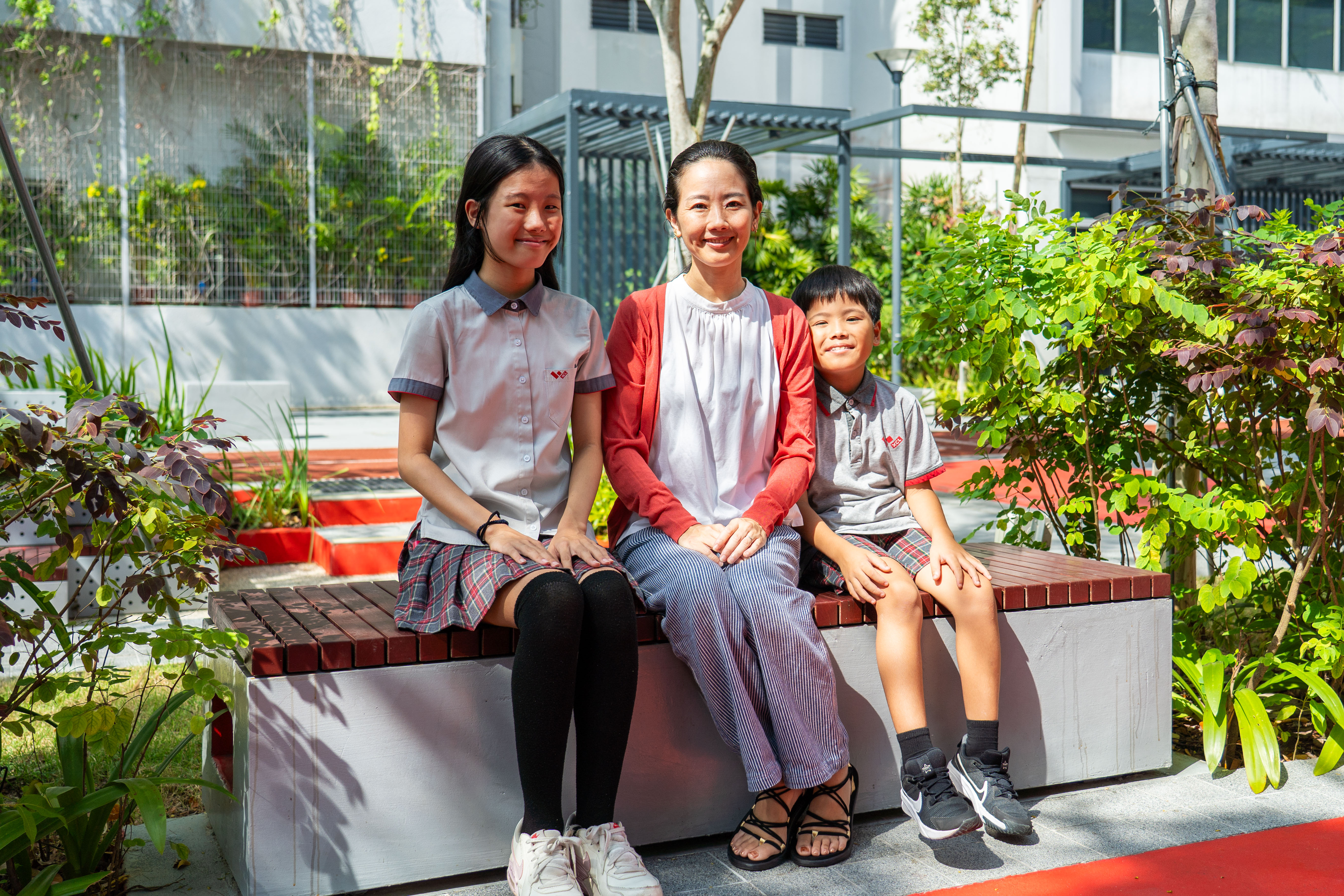
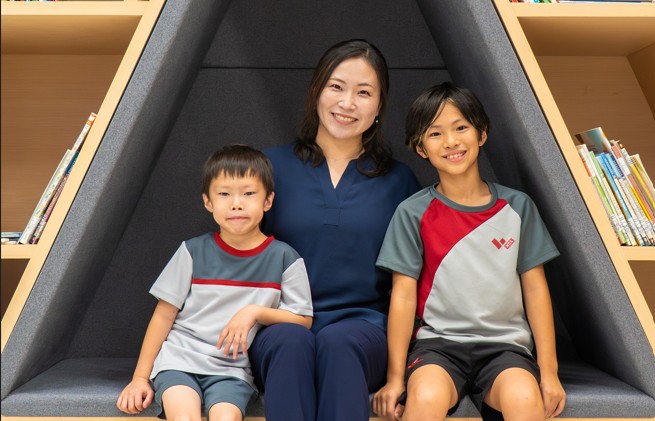
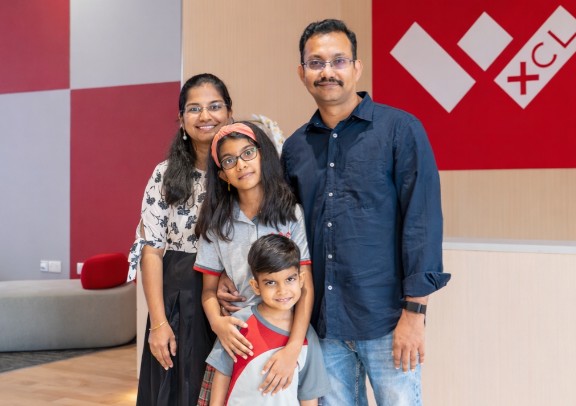
Ce que disent nos élèves et nos parents
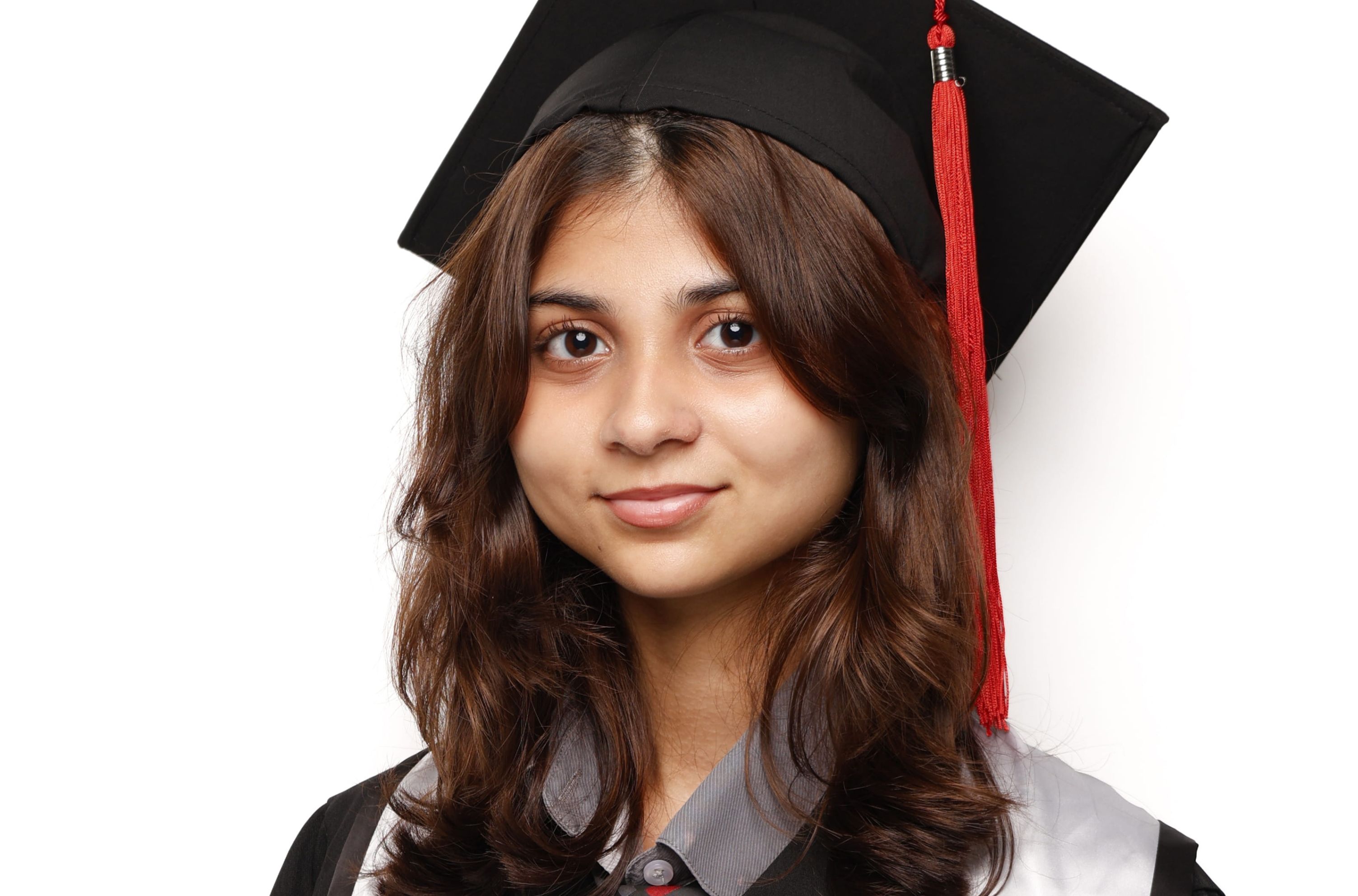
.jpg)
Questions parents ask

The International Baccalaureate Diploma Programme offers both breadth and depth across six subjects, alongside core elements that support holistic development. In contrast, A-Levels focus more deeply on three or four subjects. A key strength of the IB DP is its core: the Extended Essay develops independent research and academic writing skills, while Creativity, Activity, Service fosters personal growth, wellbeing, and engagement beyond the classroom. Both pathways are academically rigorous and widely recognised by universities globally. The IB’s international recognition and balanced approach make it well suited to students who want to keep their options open while developing as well rounded, reflective learners. We break this down in detail in IB Explained: What It Means for Your Child's University Pathway.
Everyone follows the same IB curriculum from Nursery through Grade 10. University and pathway guidance begins in Grade 8 with a dedicated counselling team, then deepens in Grade 10 when students complete their Personal Project and confirm their senior pathway. It's a supported process, not a high-pressure fork in the road.
Yes. XWA accepts applications throughout the year and supports students transitioning from other systems. Our English as an Additional Language programme helps students who need language support, and counsellors work with families to ensure a smooth transition.
Singapore’s local curriculum follows the MOE pathway through PSLE, O-Levels, and A-Levels. It is academically rigorous, highly structured, and examination focused.The International Baccalaureate is a globally recognised, academically rigorous, and holistic pathway. It takes an inquiry based approach, encouraging students to think critically, make connections across subjects, and apply learning beyond exams.Both pathways are strong, but the IB’s international recognition and well rounded approach make it especially well suited to families who may relocate or want a globally transferable qualification that develops both academic achievement and personal growth.
Yes. Ivy League universities, Oxford, Cambridge, and other selective institutions accept and actively recruit IB students. The Extended Essay and Theory of Knowledge provide strong preparation for the independent thinking these universities expect. XWA graduates have secured places at institutions including UC Berkeley, King's College London, Sciences Po, University of Toronto, and more.
It's rigorous and rewarding, but not the only path. From Grade 8 onwards, students work with counsellors to explore their options: IB Diploma, High School Diploma with AP courses, or a combination. The goal is finding the right fit for each student's strengths and goals.
The IB is rigorous, but it’s designed to develop skills over time, not cram for one final exam. Students build research, writing, and thinking skills gradually from Primary through to Diploma. Support systems, manageable workloads, and pastoral care are built into every stage to ensure academics are balanced with student wellbeing. New joiners are supported through structured onboarding and targeted guidance, helping them adapt quickly and build confidence, even if they are new to the IB.
A-Levels go deep in three or four subjects. The IB goes broad with six subjects, plus research, service, and a theory of knowledge course. Both are respected by universities. The IB suits students who want variety and haven't narrowed their interests yet. We break this down in detail in IB Explained: What It Means for Your Child's University Pathway.
Many universities value IB students for their research skills, independent thinking, and breadth of study. IB Diploma holders often receive credit for Higher Level subjects and report strong first-year performance. At XWA, our graduates consistently receive offers from competitive universities across the UK, US, Canada, Australia, and Asia.
Assessment varies by programme. In Primary Years, teachers use ongoing observation, while in Middle Years, students complete criterion-referenced tasks and the MYP eAssessment in Grade 10. In the Diploma, students sit externally marked exams alongside internal assessments and the Extended Essay. The IB emphasises understanding over memorisation.
Yes. The Class of 2025 received 385 university offers from institutions worldwide, including UC Berkeley, Boston University, McGill, University of Toronto, UCL, King's College London, Sciences Po, University of Sydney, NUS, NTU, and SMU. They also earned USD 16.44 million in scholarships.
Still have questions?
We're here to help!