

New technologies are emerging very quickly, which is great. But without proper knowledge, the digital world can be very overwhelming, and on top of that, dangerous.
This is where the importance of digital literacy comes into the picture. Digital literacy is crucial for us adults, but even more so for young children whose future will be shaped in large part by technology.
Here, let’s dig a little bit more into the idea of digital literacy and its importance for children.
- What is Digital Literacy?
- Why are Digital Literacy and Digital Citizenship Important for Children?
- How Parents Can Teach Digital Literacy Skills at Home
- How XWA Promotes Digital Literacy in Students
What is Digital Literacy?
Digital literacy is a broad term that encompasses all of the skills needed to live, work and thrive in a digital world. People who exhibit digital literacy understand technology, make use of digital tools, find verified information and even share one. They’re also well aware of the risks associated with technology and know the precautions to avoid them.
Digital literacy plays an integral part in learners’ path to knowledge. It does not replace traditional forms of literacy; it builds upon and expands the available skill set that makes up the foundation of literacy.
The American Library Association Digital Literacy Taskforce defines it as “the ability to use information and communication technologies to find, evaluate, create, and communicate information, requiring both cognitive and technical skills.”
And in our digital world of today, with ready access to the Internet and the explosive pace of social media, digital literacy includes mobile devices and desktop and laptop computers.
But is digital literacy the same as digital citizenship?
Not exactly, but they’re very much connected and equally important for children.
Digital literacy is defined as having the ability to use digital tools, while digital citizenship is more about being able to apply and use that knowledge in a positive and appropriate way.
Teaching digital literacy to your children will help them successfully navigate the complicated world of technology, and educating them on good digital citizenship will influence them to become more responsible and respectful online.
Why are Digital Literacy and Digital Citizenship Important for Children?
Most students today are born connected to technology. Give them a smartphone or tablet. Chances are they already know how to unlock it, go to Youtube, and watch some cat videos.
You’d be surprised how many young children today—even those who haven’t even begun school yet—already know how to download new apps and make in-app purchases.
Sure, there are some concerns about how this technological boom will affect children. But here’s the thing. Technology is here to stay.
Rather than keeping the technology away from them, it would be more practical to help children explore the digital world and help them use technologies responsibly.
Let’s take a look at the importance of improving a student’s digital literacy and digital citizenship:
Digital literacy and digital citizenship help children to be more responsible online.
Guiding children on the right and appropriate use of technology will help them become responsible digital citizens. It will also influence them to make better decisions about what they post on social media.
Digital literacy and digital citizenship equip students with tech skills.
Tech skills are life skills. So regardless of which path a child decides to take in the future, tech skills will definitely come in handy in the future.
Tech skills also foster a lot more useful skills that are very much valued in the real world, like problem-solving, creative thinking, collaboration and communication.
Digital literacy and digital citizenship turn children into fast learners.
Technology, as we all know it, is complicated. But after a child begins to fully understand it, learning other things will become a lot easier. Allowing children to learn digital technology and use it more often will help them adapt easily to changing trends and pick up new knowledge and abilities in a shorter amount of time.
Digital literacy and digital citizenship enhance online safety.
It’s a common misconception that digital literacy only exposes children to a dangerous and uncharted world of technology, when in fact, it’s the opposite.
Increasing their digital literacy improves their knowledge of the most common security threats out there, like cyberbullying, hacking and scamming. And when they have a good grasp of these things, they will be more alert and ultimately avoid them.
How Parents Can Teach Digital Literacy Skills at Home

It’s not exactly easy to teach children digital literacy, but here are some pointers that can help you get started.
- List down the key topics that will improve your children’s digital literacy. Building a clear plan will help you lead a more meaningful conversation with your children. Some of the key topics that you might want to discuss with them include cyberbullying, online ethics and internet safety.
- Break down topics into short bursts. Don’t overwhelm your children with too much information in just one sitting. Split it into smaller chunks and concentrate on one topic at a time. This will give them enough time to absorb and process everything that you’re teaching them.
- Apply games. Young students get distracted quite easily. So if you want to have their attention focused on you, you need to make learning fun for them. One way to do so is by reinforcing game-based activities. You can also leverage gamified tests to assess their digital literacy level.
- Let them experiment. Let loose and allow your children to apply what they’ve learned into practice. Allow them to use technology with little to no supervision to help them become more independent and responsible online.
How XWA Promotes Digital Literacy in Students
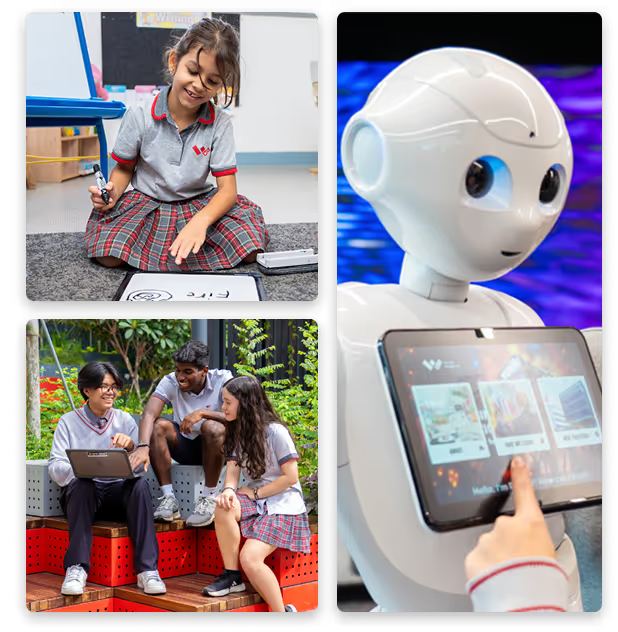
Digital literacy is a high priority here at XCL World Academy. We believe that students should embrace technology, grow and innovate with it, and not fear it. It encompasses how they play and participate, what they search for online, and who they socialise with.
Technology is at the heart of our learning community – we don’t just teach it to our students but technology is actively used at every step of their learning journey.
Starting from the early years section of the school, students are exposed to a range of technology applications and hardware to solve problems and encourage creativity, according to each child’s age and stage.
This is because we believe that students will be better able to understand how to use technology appropriately and to develop their digital literacy if they experience how to use technology themselves, first-hand.
We also leverage the power of personalised learning to promote digital literacy. We understand that students will learn how to use and apply technology at different rates, and for this reason we try to keep our class sizes small enough to monitor individual progress.
Recognising that every student is unique, our teachers put great effort into getting to know every child and set the right teaching strategy that suits them best.
Fret not, we’re way past the traditional learning methods.
We don’t only teach our students the “what” of technology, but most importantly, the “hows” of it. Through a series of activities, they can be directly involved in their learning and put everything they’ve learned into practice.
As an international school, we also offer various workshops for parents to debunk negative stereotypes about children using technology in school and provide them with valuable tips and resources on how to safely introduce their children to the digital world.
Contact us today to learn more about how XWA promotes digital literacy in students. You can also schedule a campus tour with us to see our cutting-edge technology facilities, which we believe will help your children develop digital literacy skills that they will be able to use for the rest of their lives.