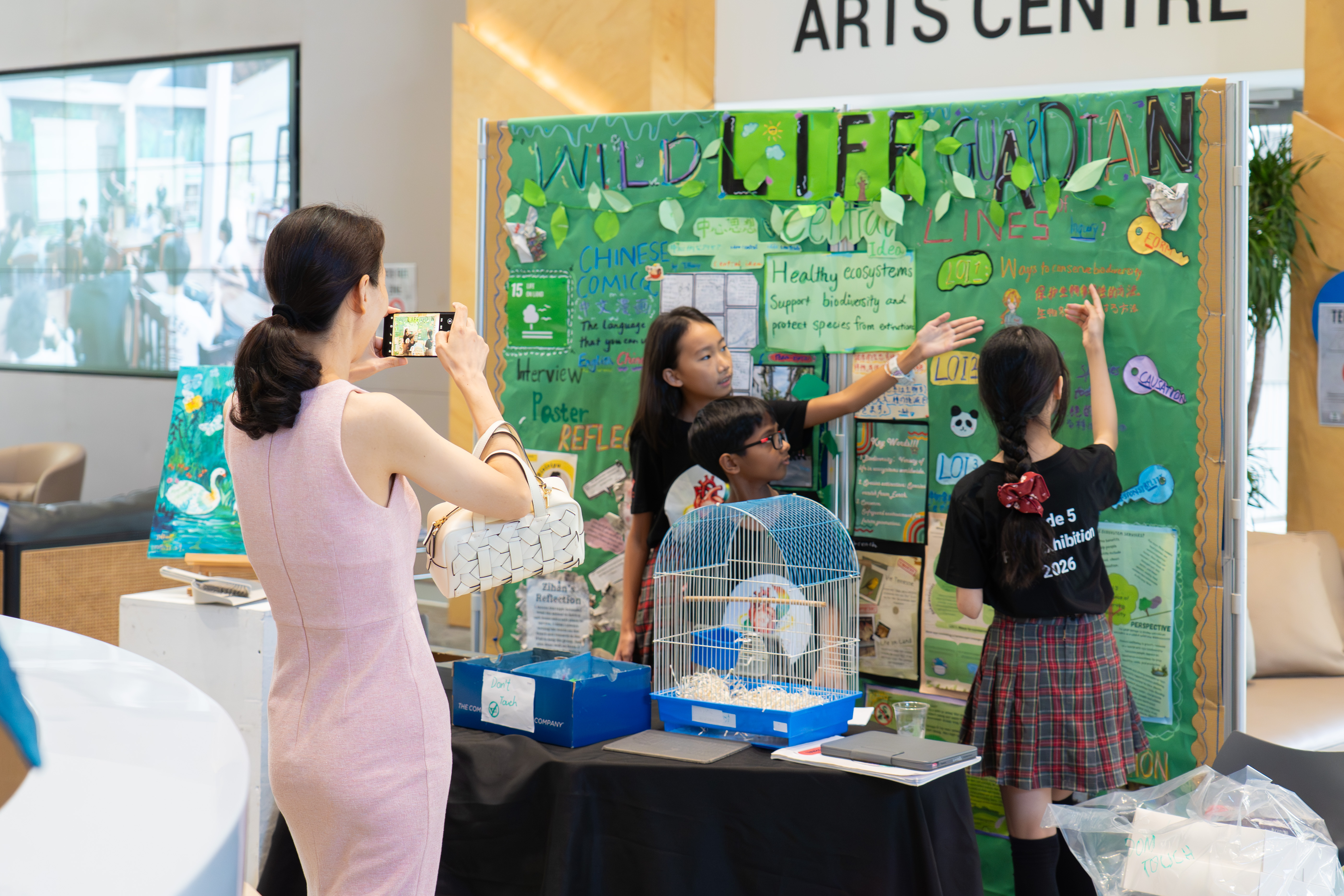


By the time most parents are seriously comparing international schools in Singapore, they have read the prospectuses and formed a clear view on curriculum, facilities and academic results. What they keep coming back to is harder to find on any website. Will my child be happy here? Will they make friends? Will they feel like they belong?
These are the right questions, and in the first year they matter more than almost anything. A child who feels settled is free to learn. This guide walks through what settling in actually looks like, what to expect along the way, and how the right school helps both children and parents feel less alone in the move.
What the first weeks and months usually look like
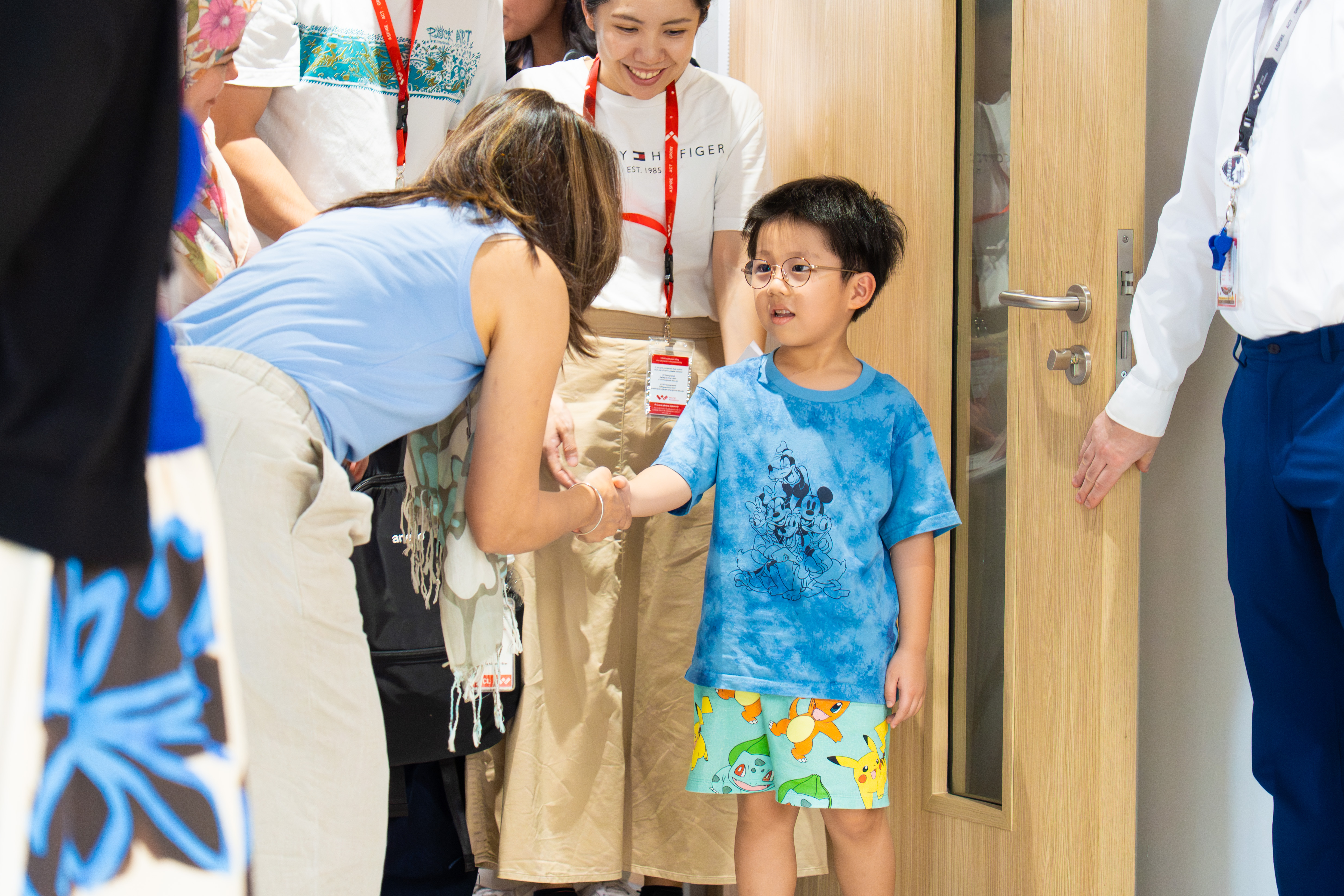
Children rarely settle in a straight line. The first days often bring a burst of curiosity, followed a few weeks later by a quieter, more tiring stretch as the novelty fades, and the routines become real. By the end of the first term, many children have found a rhythm, a few familiar faces, and a stronger sense of where they fit. Some move through this in weeks; others take a term or two, and both are completely normal.
International schools in Singapore are well practised at this, because families arrive throughout the year rather than only in August. At XCL World Academy, new students can start at any point through rolling admissions, and orientation runs all year round. A dedicated admissions manager supports each family from the first enquiry through to the first day, so the practical side is handled while your child settles in.
Common adjustment challenges, and what's normal
A new school can mean new faces, a new timetable, sometimes a new curriculum, and a new language of instruction at the same time. Children often feel tired in the early weeks, go quieter than usual at home, or miss old friends. Younger ones may be clingy at drop-off. Older ones may play down how they feel. These are ordinary parts of adjustment, and they usually ease as familiarity grows.
What helps most is a school where teachers, pastoral teams, and counsellors look for small changes early, before tiredness, loneliness, or anxiety becomes harder to manage. At XWA, Deans of Student Life and Wellbeing Teams watch for the first signs that a child is finding things hard, so support can arrive before a small wobble grows into a bigger worry. Counsellors and safeguarding-trained staff are part of the same structure.
Settling in when English is still developing
For families arriving from a non-English-speaking background, language is often the biggest concern. Children tend to build a new language faster than adults expect, particularly when they hear and use it across the whole school day rather than in isolated lessons.
XWA supports this through two structured programmes. The Foundation English Programme, for Grades 6 to 9, offers full-time immersive English alongside subject electives, building towards a smooth move into mainstream classes. English as an Additional Language support runs across Primary and Secondary, with in-class and small-group lessons that build confidence in listening, speaking, reading and writing. This pathway helps students build the English confidence they need for mainstream classes, senior school, and university preparation. Dedicated Japanese and Chinese home language programmes help children keep their first language strong while English grows.
How children make friends and find their feet
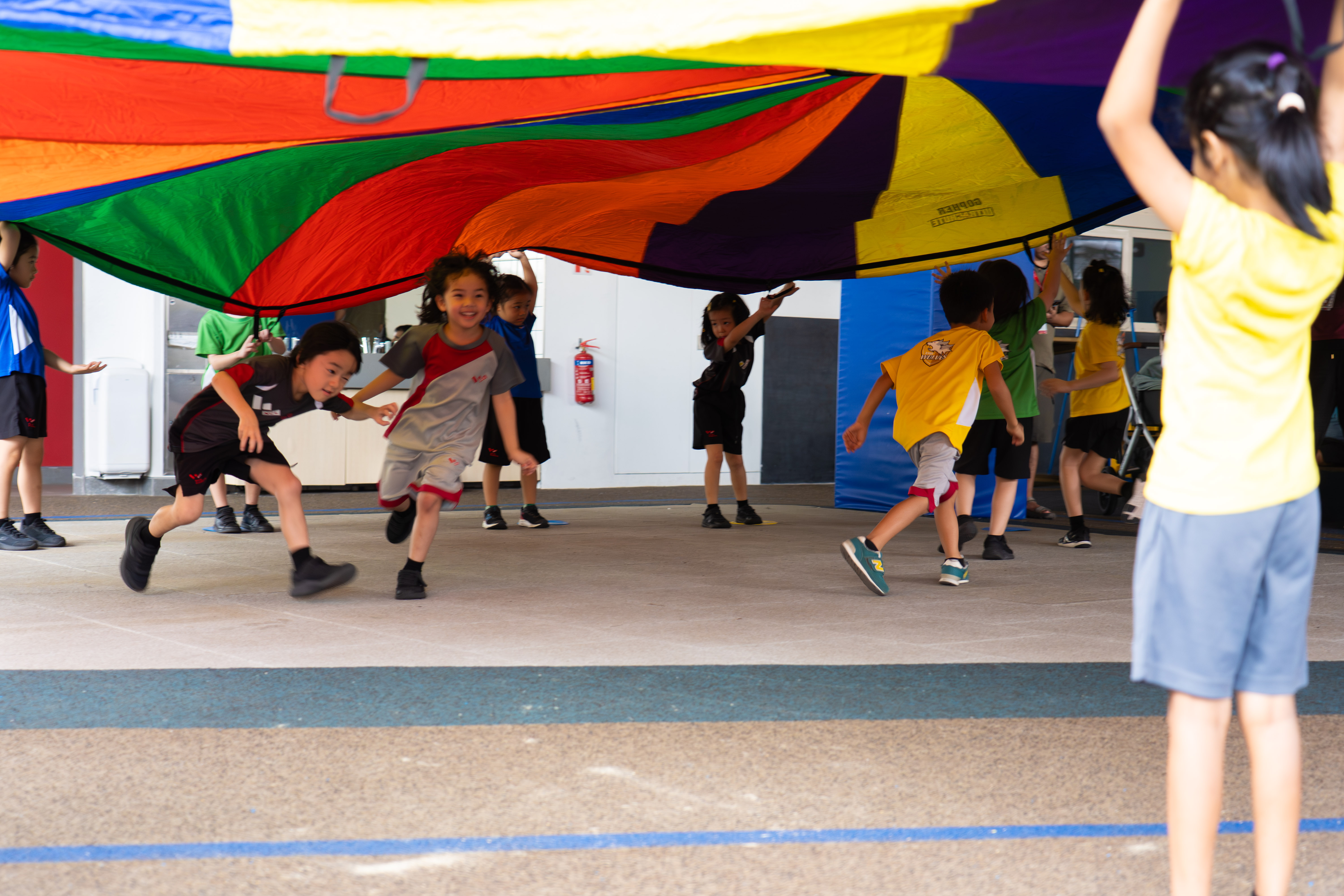
Friendship is usually what parents worry about most, and it is also what makes a child feel they belong. Most first connections come through shared activity, so the schools that help most are the ones that create natural reasons to connect.
A diverse community helps. With students, teachers and parents from more than 50 nationalities, many children at XWA understand what it feels like to be new, whether they have moved countries themselves or welcomed classmates who have. A new student buddy programme pairs each arrival with an established student who gives them a familiar face from the first day. Clubs, societies, sport and the arts offer regular time with others who share an interest, which is where friendships tend to form. Pastoral teams also look for the quieter signals: who is eating lunch alone, who has stopped joining in, and who may need a structured introduction rather than another reminder to “go and make friends.” A child who finds the social side harder is noticed and supported rather than left to manage alone.
How you can help at home
Parents play a significant role in helping children settle into a new school environment. A few simple approaches can make a big difference:
• Talk about the move early and often, and give your child space to ask questions and share any worries they may have.
• Instead of the usual "How was your day?", try asking more specific questions that encourage reflection on positive experiences. Questions such as "What was something funny that happened today?", "What are you most proud of today?", or "What surprised you about another student, teacher, or even yourself?" can help children focus on the moments that made their day meaningful and build positive associations with their new school experience.
• Keep home routines as consistent as possible. Predictable mealtimes, bedtimes, and family time provide a sense of stability while many other aspects of life may feel new.
• Resist the urge to solve every difficult moment immediately. Listening first and acknowledging your child's feelings often helps more than trying to fix the problem. Most early challenges and uncertainties naturally improve with time.
• Finally, build your own community as well. Children often feel more secure when they see their parents developing friendships, finding familiar faces, and settling into their new environment alongside them.
Signs your child is settling in well
You will usually see it before your child says it. Settling shows up in ordinary ways: talking about a classmate by name, wanting to go to school, eating and sleeping normally again, bringing home work they are proud of, complaining less about mornings.
Progress is rarely linear. An off week does not undo a good month, especially after a major move. If the harder days keep outnumbering the good ones well into the term, that is the point to speak with the school. At XWA, the pastoral team, counsellors, and teachers work together and keep parents informed.
A community built around the move

Across XWA, this support adds up to something parents notice. In a recent parent survey, 90% described the school as warm, welcoming and inclusive, and 85% said they were happy with their child's overall experience.
Every family's move is different, and the questions do not end at enrolment. No article can fully answer the question parents care about most: would my child feel at home here? The best way to know is to visit, meet the people, and see how the community feels in person.
FAQ: Settling Into an International School in Singapore
How long does it take to settle into a new international school?
Every child is different. Some children feel settled within a few weeks, while others need a full term or longer. It is normal for confidence to grow gradually, especially when a move also involves a new country, new routines, and a new language environment.
What helps children make friends after moving schools?
Shared activities often make friendship easier. Clubs, sport, arts, group projects, and buddy programmes give children natural reasons to talk, collaborate and spend time together. For many students, friendships begin through small repeated moments rather than one big first-day connection.
What if my child is still learning English?
Children can build English quickly when they use it throughout the school day, but they still need the right support. At XWA, English as an Additional Language support and the Foundation English Programme help students develop listening, speaking, reading and writing skills while building confidence in the classroom.
When should parents ask the school for help?
Parents should contact the school if difficult days keep outnumbering good ones, if their child becomes withdrawn for an extended period, or if worries about friendships, sleep, appetite, or school attendance continue well into the term. Early conversations help teachers and pastoral teams respond before concerns become harder to manage.

.jpg)