

From the moment a child is born, they learn through experience — it’s how a baby soon figures out that whining will get their parent’s attention and that seeing a bottle means that it’s time to eat. It’s through these experiences that an infant is able to develop and grow into fully-functioning human beings.
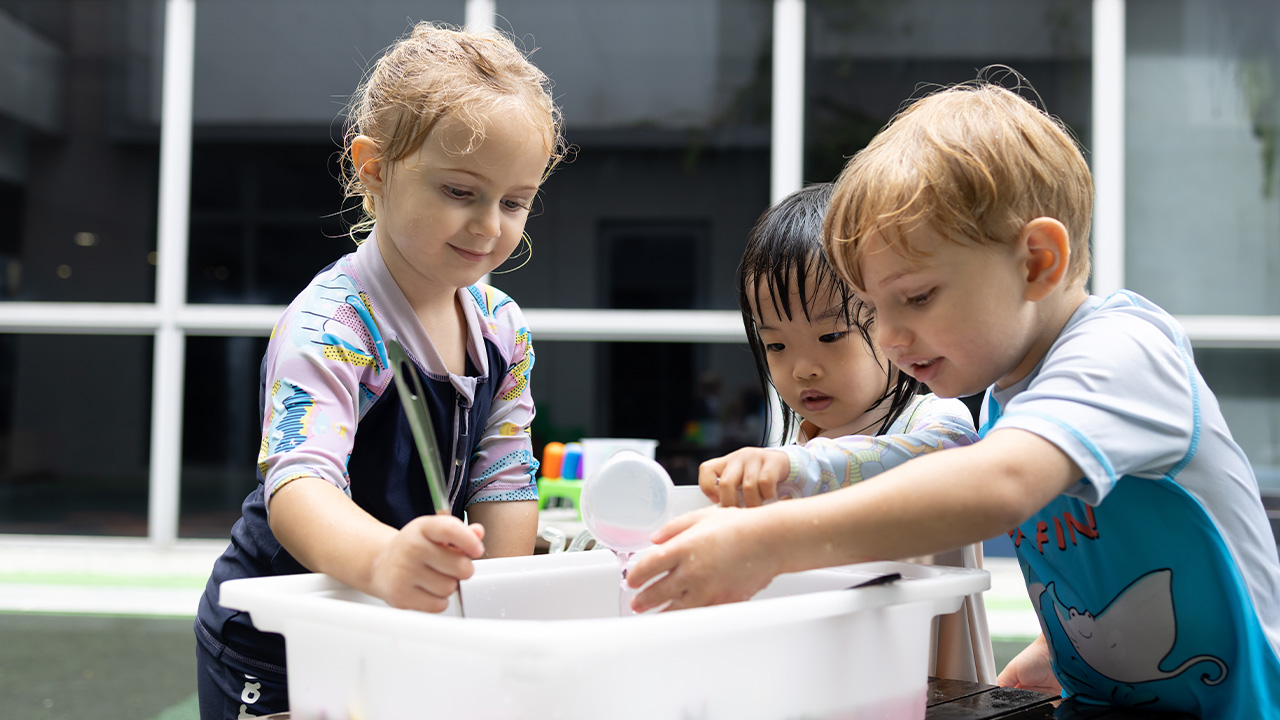
But experiential learning doesn’t end at the first stages of life. It carries on when you allow your child to play outdoors, learn how to swim, and slowly discover what they enjoy doing.
Contrary to the traditional idea of teaching and learning, the best kinds of lessons don’t always happen through a book or within the four walls of a classroom. Instead, it happens during real-life experiences and interactions with the people around you.
Here’s what you need to know about Experiential Learning:
- What is Experiential Learning?
- Examples of Experiential Learning
- Why is Experiential Learning Important?
What is Experiential Learning?
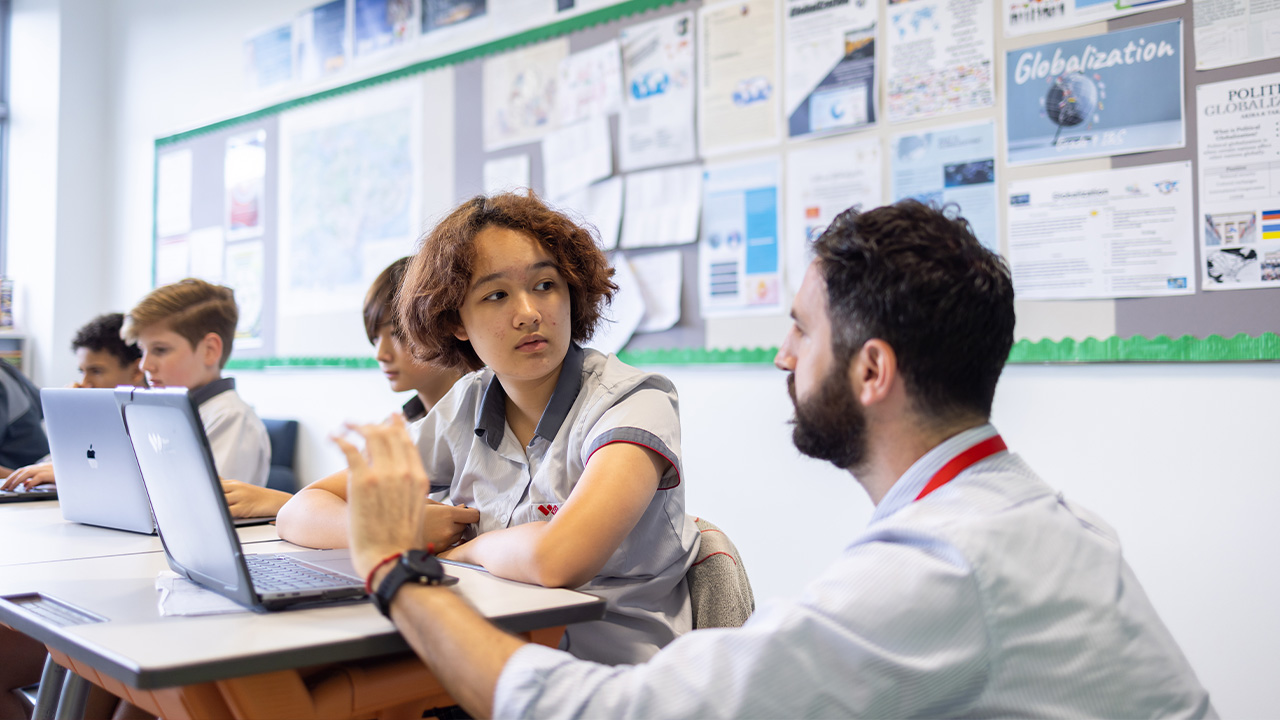
Experiential learning is the process in which students can “learn by doing”. It’s an interactive form of learning that allows for first-hand experiences and tangible results. Learning through experience promotes a deeper level of understanding as compared to surface-level learning such as memorising lessons from a textbook.
Experiential learning should include:
- Well-planned experiential learning moments that allow students to deepen their understanding of a certain concept or lesson
- Opportunities to encourage independent decision-making and accountability
- Opportunities for self-assessment and reflection
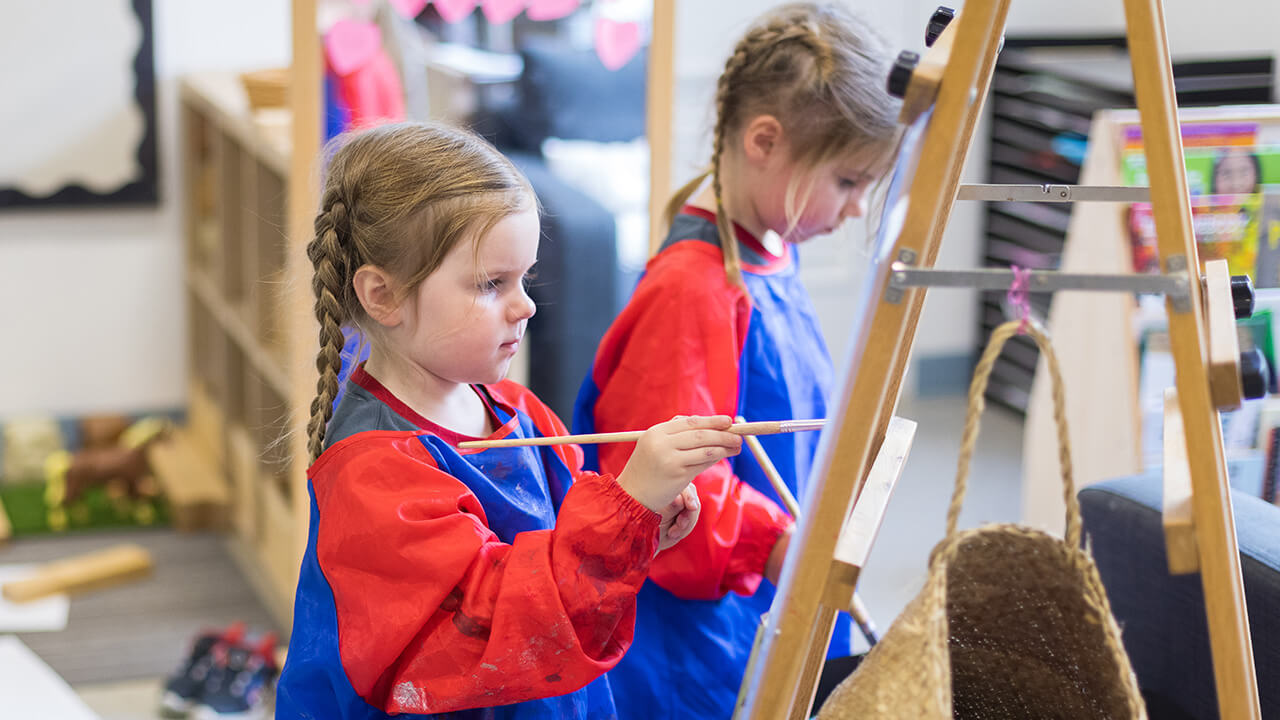
Experiential learning usually complements traditional classroom learning. For example, when teaching a child about the different colours through visual cues, a teacher or parent can supplement the lesson with painting activities. This will not only teach a child about colours but also encourage creativity and discovery.
Kolb’s Experiential Learning Theory
Published in 1984 by psychologist David Kolb, the Experiential Learning Theory is defined as “the process whereby knowledge is created through the transformation of experience.”
The theory further explains that learning is considered a continuous process of adapting to the world involving a process of:
- Experiencing
- Reflective Observation
- Abstract thinking or Conceptualization
- Active Experimentation
These are called Kolb’s Stages of Learning, a four-step cycle that is supposed to occur naturally throughout our lives. Ideally, once an individual completes a cycle, an experience transforms into knowledge, which can then be applied to future experiences.
Examples of Experiential Learning
There are many ways to encourage experiential learning. These activities will vary according to the student’s age:
Activities for students in their primary and secondary years:
- Painting/Art time – Art time gives students the opportunity to explore their creativity and discover new colours and patterns. Through art, they can see their imagination come to life.
Clay is a great tool to help students express themselves in a different way. Change up with other art materials like yarn, beads, and chalk to help students find their preferred medium. - Scavenger hunting – Let students interact with nature and practice their ability to identify the things around them.
- Planting/Gardening – Teaching children to garden is a fantastic way to teach them about how plants grow and go through their different life stages as well as how to care for them.
- Building activities – Let your students build the highest tower with different kinds of materials and objects to help them develop their critical thinking, teamwork, and planning.
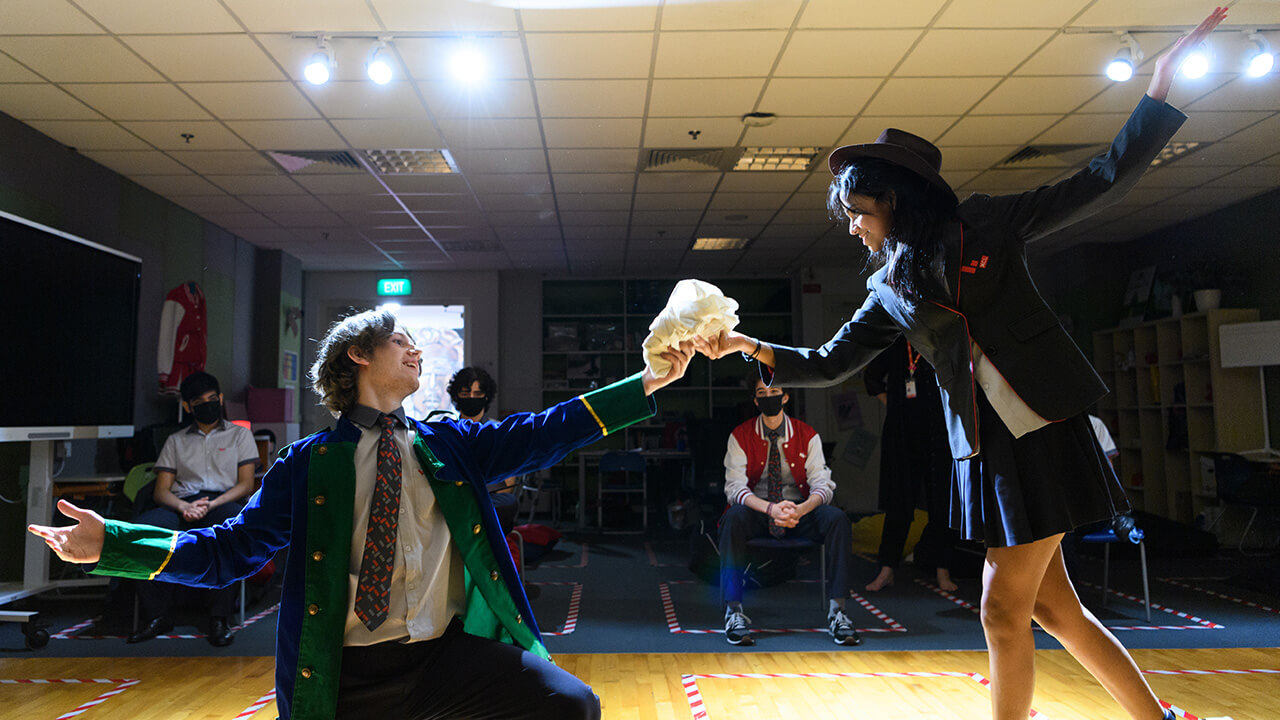
- Role-Playing – Assign students a period in history and let them reenact key events. This is a fun and engaging way to teach them about important events. Role-playing will also stimulate their creativity and allow them to explore their talents.
- Field Trips – Field trips are highly effective experiential activities that students will always love no matter their age. Take them to a museum or a cultural sight for a deeper understanding of certain people and events.
- Camping – Any experience in the great outdoors can teach children highly useful survival and life skills.
Activities for students in their secondary years:
- Internships – Internships are a great way to help students discover their passions and what they want to pursue in the future. Students can also get on-the-job experience such as assisting in an event or simply shadowing a professional from a chosen field.
- Fieldwork – Instead of internet and library-focused research, fieldwork will expose students to real people where they can practice interviewing and learning from experience. This will also help them be more observant and resourceful in getting the information that they need.
- Entrepreneur day – Give your students a chance to create their own products, market them, and sell them to real people. This activity will give them a taste of what it takes to run a business in a controlled setting.
Why is Experiential Learning important?
Reading about someone else’s experience through a textbook is vastly different from actually experiencing it yourself.
The most basic example is learning how to bike. Sure, you can learn the general concept of pedalling and balancing by reading about it or watching someone do it. But you’ll never really know how until you try it yourself.
By encouraging hands-on experiences, students will have a firmer grasp of concepts and how things work. Experiential learning also pushes them to be more reflective about their actions and be more creative in finding solutions to a problem.
Learning through experience will help students gain a deeper understanding of themselves as well as their passions, skills, and interests.
Can Experiential Learning be done at home?
Experiential learning can happen anywhere and throughout all stages of life. Simple experiential learning for children at home could be done with just a few easy-to-find materials such as clay, building blocks, and basic art materials. The key to experiential learning at home is to provide an encouraging environment for exploration.

How we do Experiential Learning at XCL World Academy
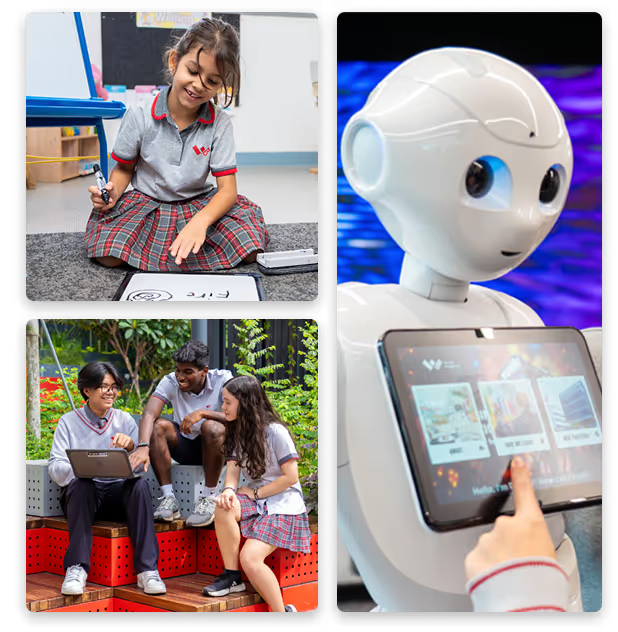
XCL World Academy believes in holistic development, which means we don’t just focus on your child’s academic success but we also equip them with the necessary life skills that will prepare them for future studies and employment through our Experiential Learning Program (ELP).
Our curriculum provides opportunities for students to learn through experience and apply lessons taught in the classroom into real-world issues. At XWA, the School of the Future, your child will learn to find their stand on their own, lead, and innovate as preparation for the ever-changing future ahead.
On top of our small class size for more personalised care and attention, students are encouraged to play an active role in their learning both inside and outside the classroom. Our future-oriented approach to learning ensures that our students will be the movers and shakers of tomorrow. They will learn:
- Global Leadership & Innovation
- Technology and Digital Media
- Business & Entrepreneurship
- Sustainability & Stewardship
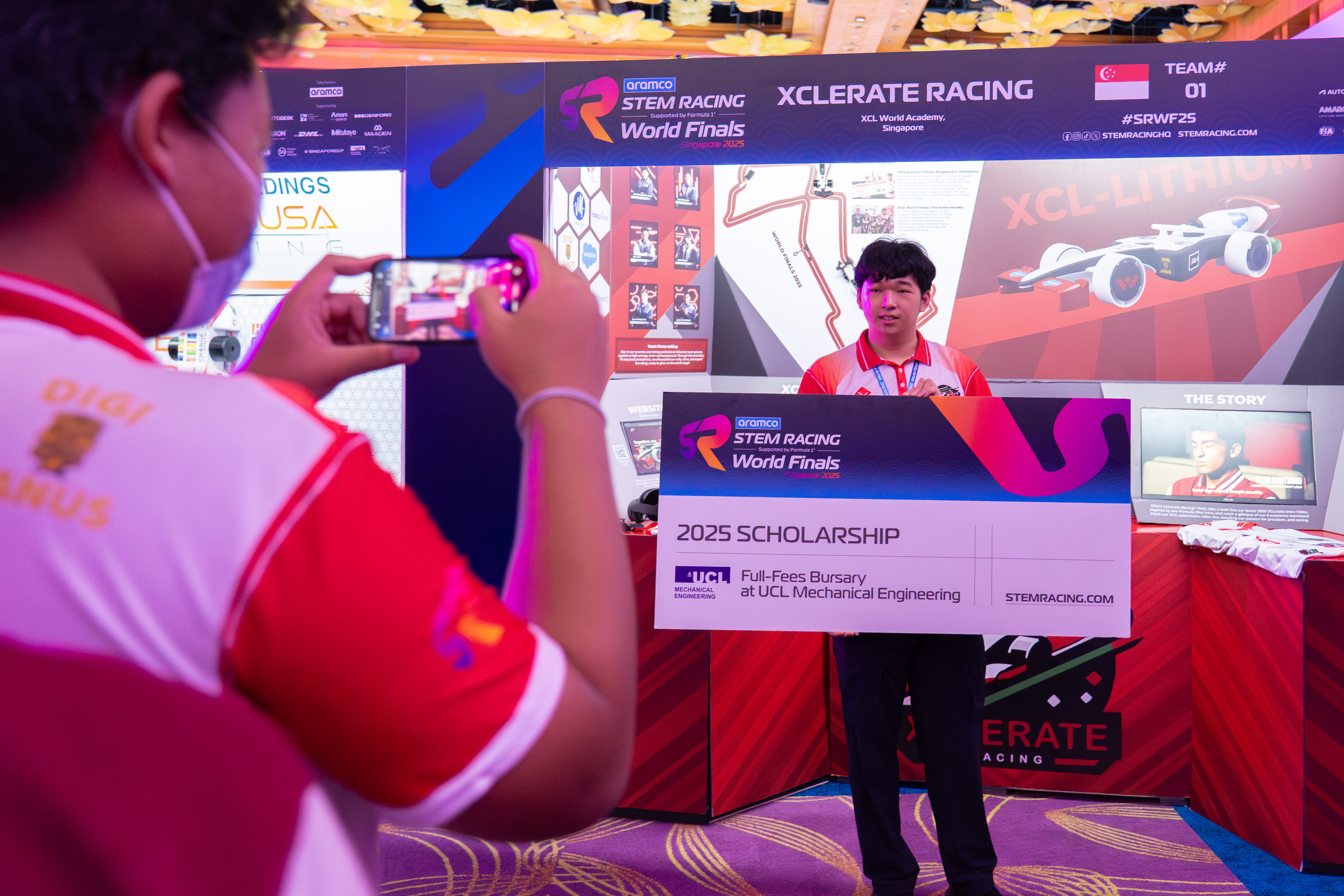
As one of the pioneers of E-Sports among private and international schools across Southeast Asia, we recognise the potential of the sport, and by offering the programme and exposing them to what the future is asking for, we help our students to stay ahead and equip themselves for the jobs of tomorrow.
Beyond academics, where extra-curriculum also plays a very important role in student development, we also have Debate Club and Model United Nations where students can practice public speaking and international relations, regular student-organised productions and performances, state-of-the-art sports facilities and coaching, and so much more!
Exposure to different cultures as well as students and faculty from all over the world will enable your child to grow into a well-rounded and responsible world citizen who’s ready to leave a mark.
Learn more about our Experiential Learning programme at XCL World Academy. Contact us today!

.jpg)