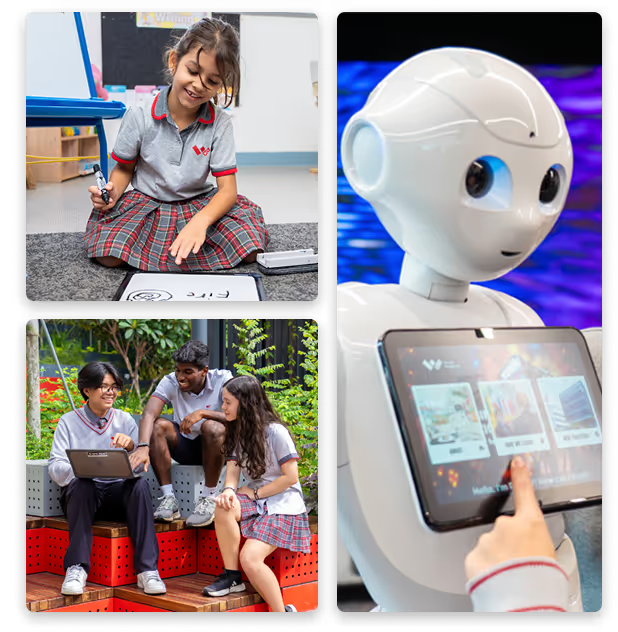


The 21st century is an exciting time to be a child. Surrounded by advanced smartphones, iPads, digital animation apps, and mobile app creation tools, this period of time is indeed one of the best times in history. But as children grow older, it’s time to also talk about the skills that will put them at the forefront in this rapidly changing world.
Innovation and development are becoming increasingly important to economic growth. Significant advancements have also been made in how work is done today, including the opportunity to connect and collaborate with individuals worldwide and the ability to automate several tasks, improving work processes in general.
A strong set of 21st-century skills will give your child an advantage to succeed in the modern work environment and thrive in an increasingly globalised world. It will help them successfully navigate new technologies and use them to their advantage to boost the quality of their work.
Learning the most crucial 21st-century skills will also allow them to participate in advanced innovations, find solutions to any modern problems that may come their way, and contribute to global development. And atop that, they will be well-equipped with intangible life skills that will nurture their resilience and readiness for challenges in the future.
So how do we prepare our children to be emotionally, mentally, and physically well-adjusted young adults? In this article, we will look at various 21st-century skills and competencies paramount to successfully navigating our ever-changing world and how you can help your children develop and nurture them.
What are the 21st-Century Skills and Competencies?
The term “21st-century skills” refers to a set of core competencies that educators believe are critical for students to thrive. Let’s dig deeper into the most crucial skills and competencies your children need to develop to succeed in the future.
Core Values
Core values are personal traits and fundamental beliefs that influence an individual’s decision-making and problem-solving process. These guiding principles are based on experiences. They also dictate a person’s behaviour and moral understanding.
There’s an endless list of core values that children in the 21st century should develop, but the most valued in the corporate world are:
- Communication:: The ability to communicate effectively is crucial in today’s world, whether it’s through writing, speaking, or using digital tools.
- Collaboration: With the increasing use of technology, working effectively with others remotely is essential. This includes collaborating on projects and sharing ideas in a virtual setting.
- Problem-solving: The ability to think critically and solve problems is essential in a rapidly changing world. This involves analysing and evaluating information, identifying patterns, and developing creative solutions.
- Adaptability: The 21st century is marked by rapid change, so adapting to new situations and learning new skills is essential.
- Creativity: The ability to think creatively and develop new ideas is becoming increasingly valuable in many fields.
- Innovation: Taking calculated risks, thinking outside the box, and consistently finding ways to solve problems that may come their way.
- Digital literacy: With the increasing use of technology in all aspects of life, using and navigating digital tools is essential.
- Time management: Managing your time effectively is essential for productivity and success in any field.
- Emotional intelligence: Understanding and managing your emotions and those of others are essential for successful communication and collaboration.
- Resilience: The ability to overcome challenging obstacles and cope mentally or emotionally with tough situations.
- Accountability – The ability to take responsibility for the outcomes of specific activities.
- Honesty – behaving in a truthful, fair, and straightforward manner.
Other core values that can help direct your child into the world of success include humility, compassion, integrity, kindness, courage, determination, appreciation, and toughness. Helping your children develop and nurture these core values can shape them into becoming empathetic, confident, responsible, and resilient young adults in the future.
SEL Competencies

Social and Emotional Learning, or SEL, consists of skills and values that improve your child’s attitudes toward home, school, and communities, helping them establish and nurture healthy relationships with people around them. Building these skills and competencies can help them succeed in many ways, including getting good grades in school, persevering through adversity, and becoming more confident when making friends.
SEL competencies that every child should learn:
- Self-awareness skills will help your child to develop the ability to understand their own emotions, thoughts, and values and how they can impact their decisions and actions.
- Self-management skills will help them manage their thoughts, emotions, and behaviours, handle stressful situations, and control anxiety or anger.
- Responsible decision-making skills will help them develop the capability required to make rational and objective decisions and accept responsibility for good or bad outcomes.
- Social awareness skills will be required for your children to accept and understand the diverse points of view of others and become open-minded and empathetic.
- Relationship skills will help your child build healthy and positive relationships with people around them, learn how to listen, communicate with others, and resolve conflicts.
Global Competencies
Global competence is a vital component of a future-oriented education that prepares students to navigate an interconnected and ever-changing world.
It combines knowledge, skills, and values that can be applied to global issues and intercultural situations. In particular, global competence encompasses students’ ability to “examine local, global and intercultural issues,” “understand and appreciate the perspectives and world views of others,” “engage in open, appropriate and effective interactions across cultures,” and “take action for collective well-being and sustainable development” (Global competence – PISA, n.d.).
To put it simply, global competencies allow children to:
- Explore the world. They are curious to know how the world works and examine global issues that affect everyone.
- Recognise perspectives. They understand and respect the fact that everyone has different perspectives and points of view.
- Express their ideas clearly. They know how to communicate their ideas verbally and non-verbally to people from different cultures and backgrounds. They also know how to listen to others and be empathetic.
- Take action. They take the initiative to participate in global issues and apply their skills and knowledge to make the world a better place for all.
Technology Skills and Digital Literacy
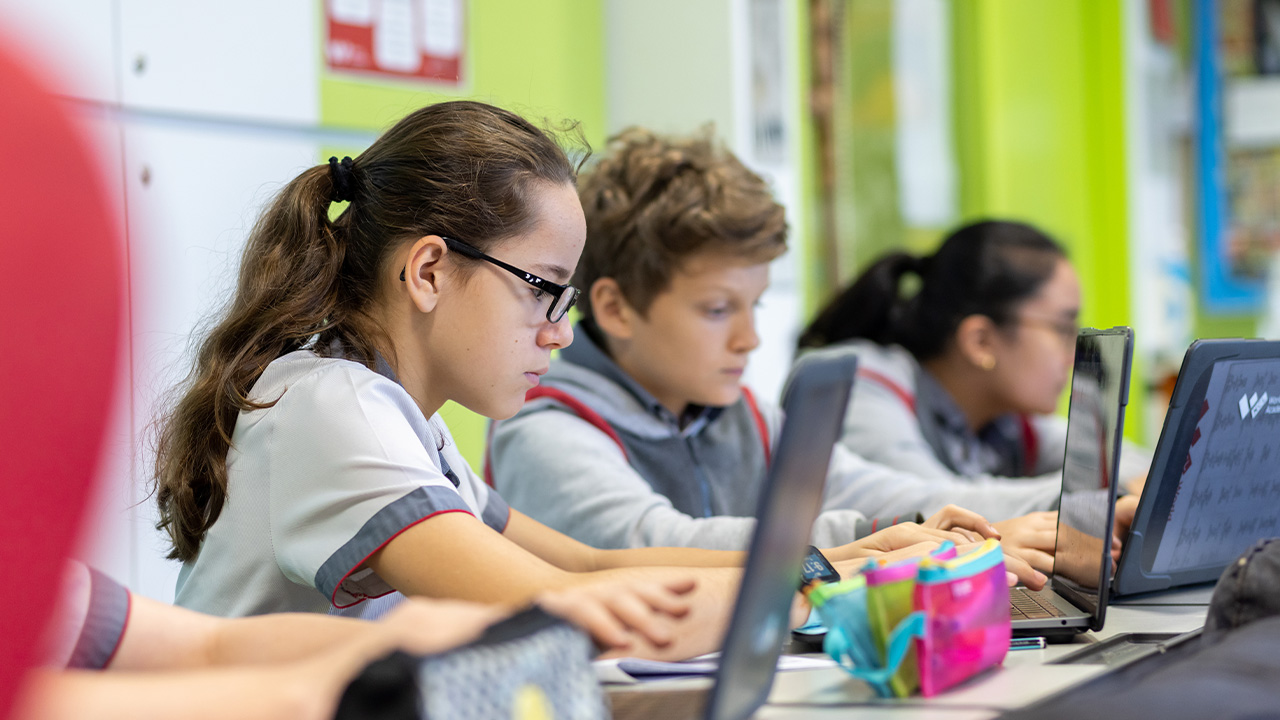
Living in a digital age where everything is constantly evolving, we can’t stress enough the need for our children to have a thorough grounding in technology and digital literacy. Guiding children on the right and appropriate use of technology will help them become responsible digital citizens. Regardless of which path a child decides to take in the future, technology skills will come in handy in the future.
The most critical technology skills they need to master include the following:
- Use of the most common technology tools. Children should be equipped with basic knowledge of how to use computers, laptops, tablets, and mobile phones.
- Responsible online communication. Children should know how to express their ideas, ask relevant questions, and communicate with others when interacting online.
- Familiarity with common platforms. Children should know their way around basic software such as Microsoft Office® or Google® applications, which is likely to be commonplace in the future.
- Digital literacy and online safety. It’s a common misconception that digital literacy only exposes children to a dangerous and uncharted world of technology when it’s the opposite. Increasing their digital literacy improves their knowledge of the most common security threats, like cyberbullying, hacking, and scamming. And when they have a good grasp of these things, they will be more alert and ultimately avoid them.
The Role of XCL World Academy in Preparing your Child for the 21st Century
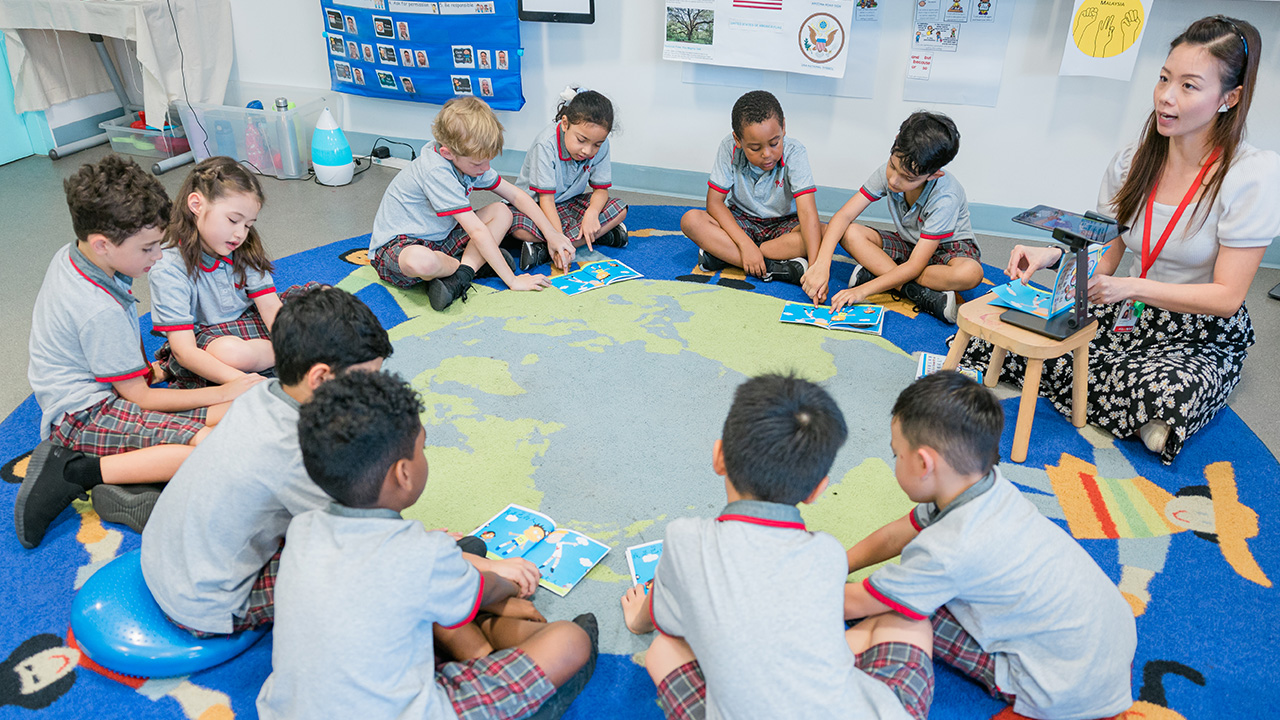
Choosing a school for your child is one of the most significant decisions you will make as a parent. It’s essential to research and weigh all the factors carefully to make the best decision for your family.
While practical considerations will always exist, the school’s culture and approach are just as important to look at. At the end of the day, the best international school is where your child feels safe, secure, happy, and motivated to learn every day.
At XCL World Academy, we offer a rigorous and balanced education for students aged 2 to 18, beginning with our Nursery programme and continuing through the full International Baccalaureate (IB) continuum of studies. The perfect IB Diploma score of 45 has been achieved for the past two years, and our average score of 36 points is 13% higher than the global average.
We practise a holistic approach to education and provide students with the opportunity to develop their interests and nurture their passions through a wide variety of classes and extracurricular activities, such as competitive sports, visual and performing arts, music, design, esports activities, entrepreneurship, languages, and many more.
We believe in future-proofing your child by providing unique learning experiences to equip them with the skills that will help them to succeed in school and beyond.
透過我們世界級的課程以及經驗豐富的老師指導,您的孩子將展開一段啟發性的學習旅程,成為一個全面發展、富有同理心的年輕人。
進一步了解XCL世界書院,並判斷我們是否適合您的孩子, 聯絡我們 討論您孩子獨特的需求與期望。我們的招生團隊將很樂意協助您找到最適合您家庭的學校。