

.jpg)
每周两节课,与学校其他课程紧密衔接
该课程每周进行两次,包括一节专门的语言课和一节午餐时间课程。
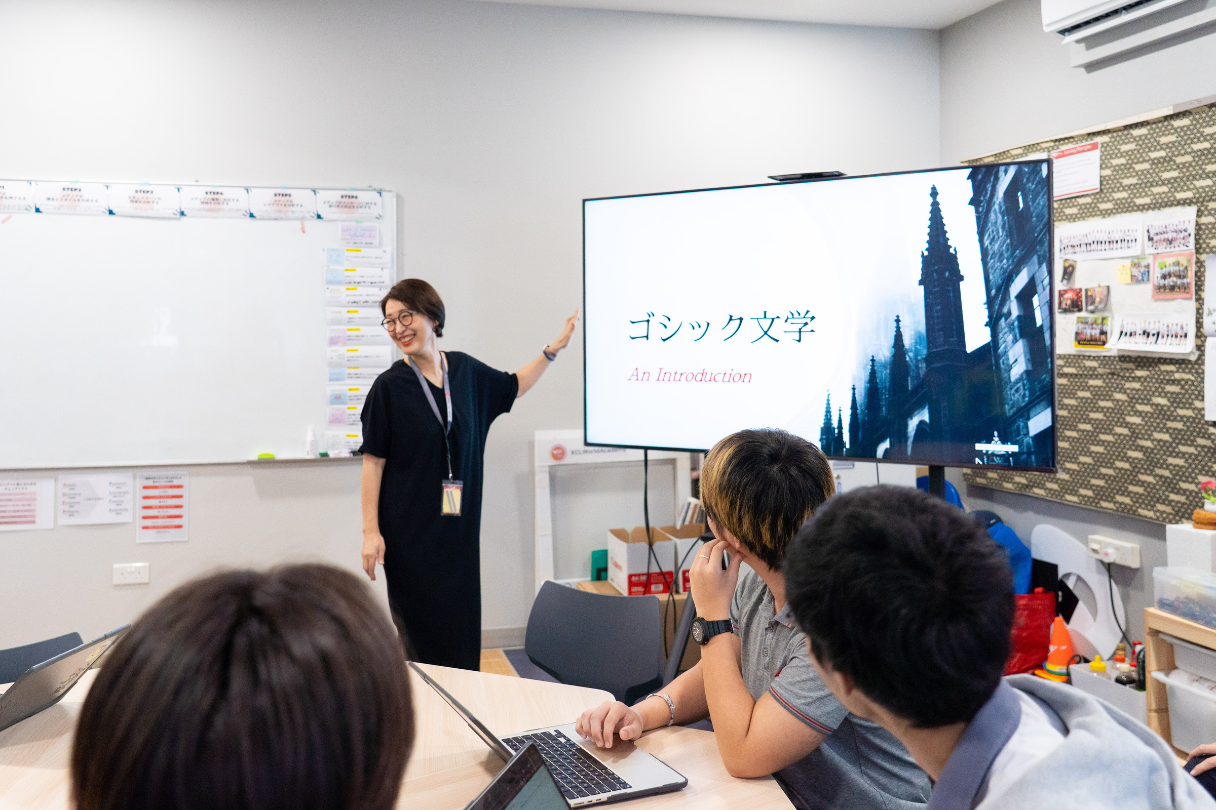
每节课都直接与您的孩子在英语授课班级中学习的PYP探究单元相关联。学生通过讨论、结对活动、小组活动和写作,用日语探索相同的概念。由于课程与学校其他时间的探究内容相同,学生在加深英语概念学习的同时,也加强了对日语的理解。
XWA的方法是将PYP探究单元内容直接整合到日语课程中,这种方法在其他学校的日语母语课程中很少见。
Seesaw,一个领先的学习体验平台,在整个课程中用于学习活动、反思和记录。
根据学生熟练程度匹配的汉字学习
汉字教学根据每位学生的熟练程度而非年级进行个性化定制。学生在适合自己的水平上学习,教学内容与他们当前的日语读写能力相匹配。这种个性化方法是该课程的独特优势,也是其他学校母语课程中罕见的特点。
为了给学生提供外部衡量标准,XWA在校园内提供汉字能力测试(汉检)。每年都有越来越多的学生选择接受这项挑战。

Keeping Japanese Part of How Your Child Thinks and Expresses Themselves
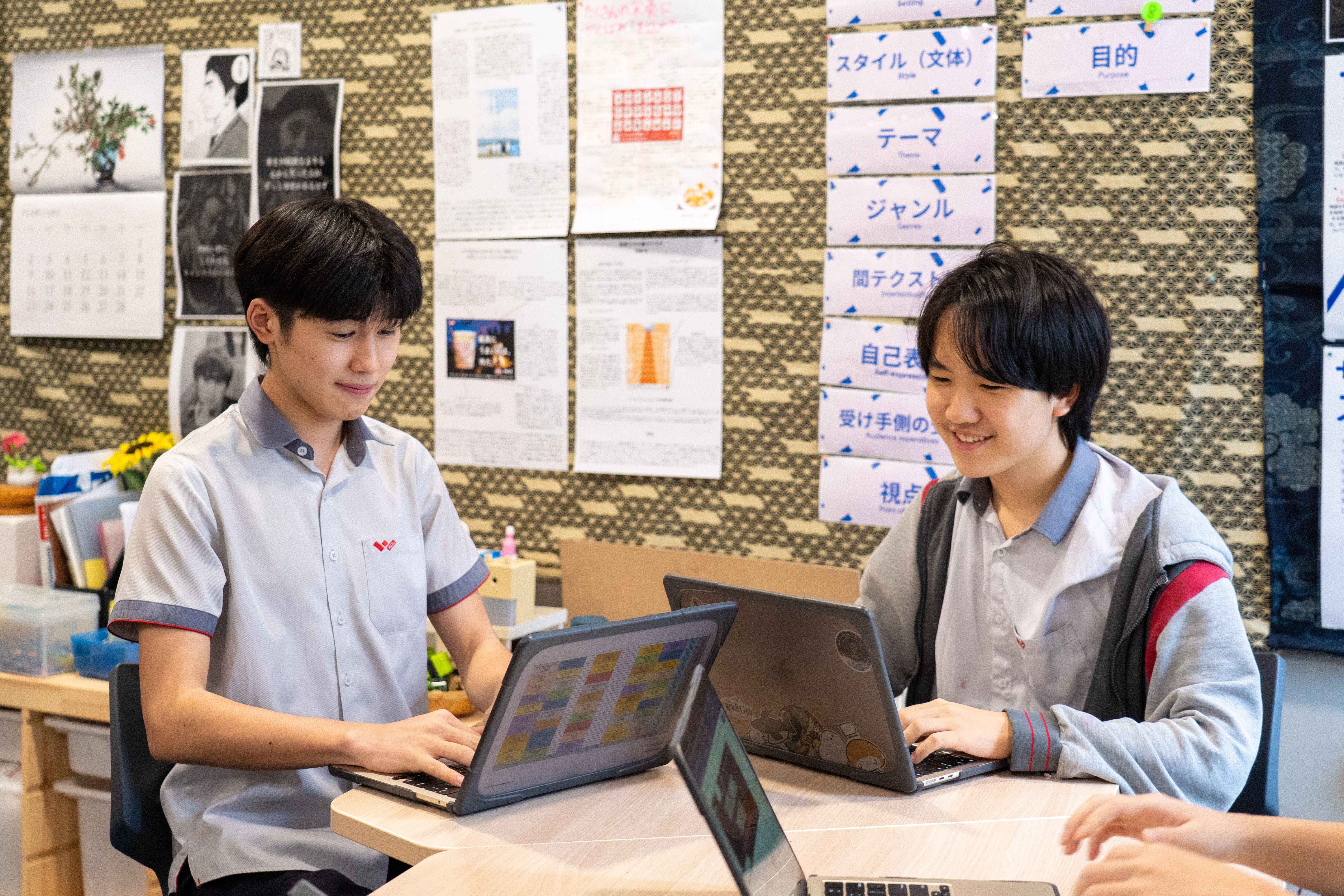
For students who spend most of the school day learning in English, dedicated time to read, write, discuss, and reflect in Japanese helps keep their home language active, expressive, and connected to their wider learning. The programme gives children space to use Japanese across meaningful topics, supporting continued language development as well as emotional stability and overall wellbeing.
By the end of Grade 5, students have spent years building literacy and deepening their understanding in Japanese alongside their English-medium learning. Their kanji development reflects individual progress over time rather than a fixed grade-level target, which is one of the programme's defining strengths.
What Your Child Gains Over Time
Research shows that students in bilingual programmes often make strong gains in both language development and overall learning. In this programme, students not only learn two languages, but also learn through both languages—using them to think, communicate, and solve problems across subjects. This strong bilingual foundation prepares students well for the IB Middle Years Programme.
By this stage, your child will have spent years reading, writing, discussing, and interpreting increasingly complex ideas across subjects in two languages, developing both academic proficiency and confidence.
.jpg)
想了解更多母语课程信息?
请咨询招生团队,了解日语母语课程如何支持您孩子在XWA的日语发展以及更广泛的学习。
FAQs
Get answers to the most common questions from prospective parents about our school.

The programme runs from KG2 to Grade 5.
No. Kanji learning is individualised according to each student's current proficiency, so children can join with different levels of Japanese literacy and continue progressing from where they are.
Lessons are built around the same PYP Unit of Inquiry your child is covering in their English-medium classes. Students explore the same concepts and content in Japanese, which helps them strengthen understanding across both languages rather than experience Japanese as something separate from the rest of school.
Twice a week: one dedicated language session and one lunchtime session.
The Kanji Proficiency Test, known as Kanken, is an external Japanese language qualification. XWA offers it at school for students who want to take it, but it is not a requirement of the programme.
Dedicated time in the home language helps students continue developing literacy, express themselves more fully, and stay connected to an important part of their identity while learning in an English-medium environment. The programme also contributes to emotional stability and overall wellbeing, alongside continued language development.
Still have questions?
We're here to help!