

.jpg)
주 2회 수업, 학교 일과와 연계
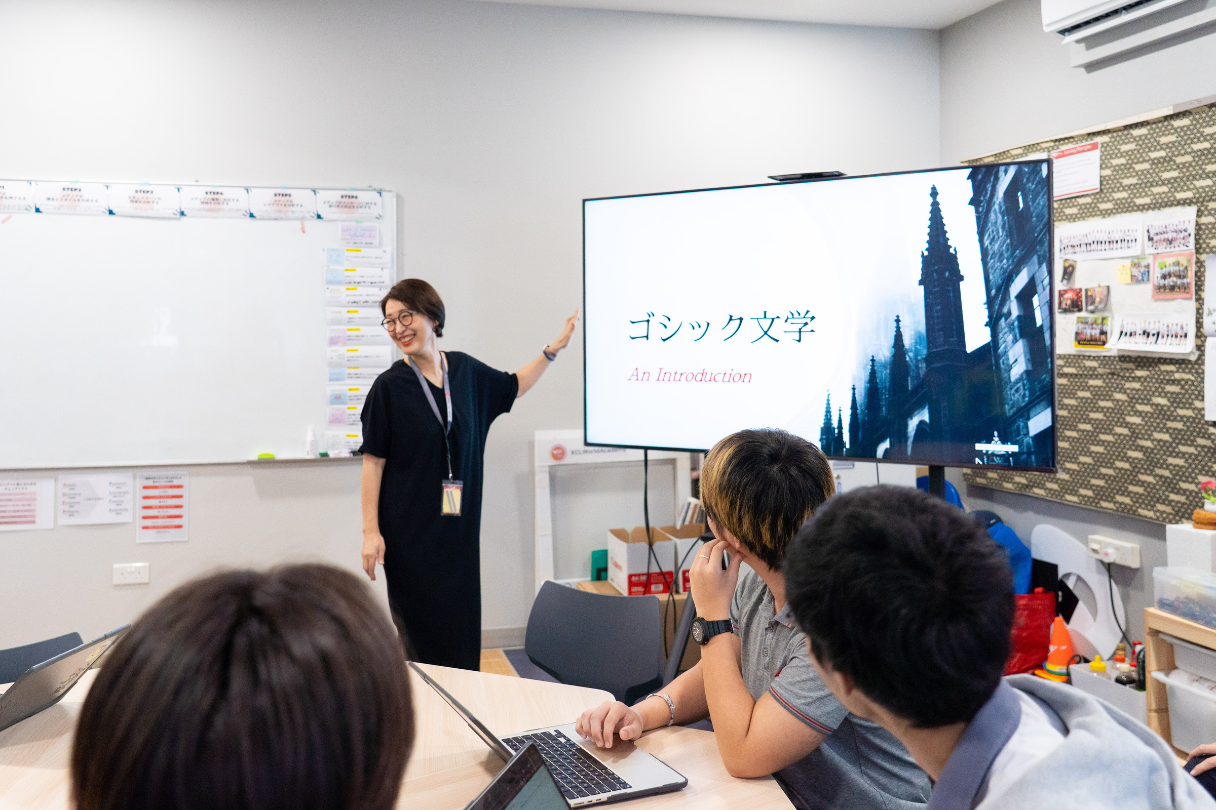
이 프로그램은 주 2회 진행되며, 한 번은 전용 언어 수업으로, 다른 한 번은 점심시간 수업으로 구성됩니다.
각 수업은 자녀가 영어 수업에서 다루는 PYP 탐구 단위와 직접적으로 연계됩니다. 학생들은 토론, 짝 활동, 그룹 활동 및 글쓰기를 통해 동일한 개념을 일본어로 탐구합니다. 수업이 학교 일과의 다른 부분과 동일한 탐구 주제를 다루기 때문에, 학생들은 영어로 쌓고 있는 동일한 개념적 학습을 심화하면서 일본어 이해를 강화합니다.
XWA의 접근 방식은 PYP 탐구 단위 내용을 일본어 수업에 직접 통합합니다. 이는 다른 학교의 일본어 모국어 프로그램에서는 찾아보기 힘든 접근 방식입니다.
선도적인 학습 경험 플랫폼인 Seesaw는 프로그램 전반에 걸쳐 학습 활동, 성찰 및 기록을 위해 사용됩니다.
각 학생의 숙련도에 맞춰진 한자 학습
한자 교육은 학년이 아닌 각 학생의 숙련도에 따라 개별적으로 맞춤 제공됩니다. 학생들은 현재 일본어 문해력에 맞춰진 교육을 받으며 적절한 수준에서 학습합니다. 이러한 개별 맞춤 접근 방식은 이 프로그램의 독특한 강점이며, 다른 학교의 모국어 프로그램에서는 찾아보기 힘든 특징입니다.
외부 평가 기준을 찾는 학생들을 위해 XWA는 교내에서 한자 능력 시험(한자검정)을 제공합니다. 매년 더 많은 학생이 이 도전에 참여하고 있습니다.

Keeping Japanese Part of How Your Child Thinks and Expresses Themselves
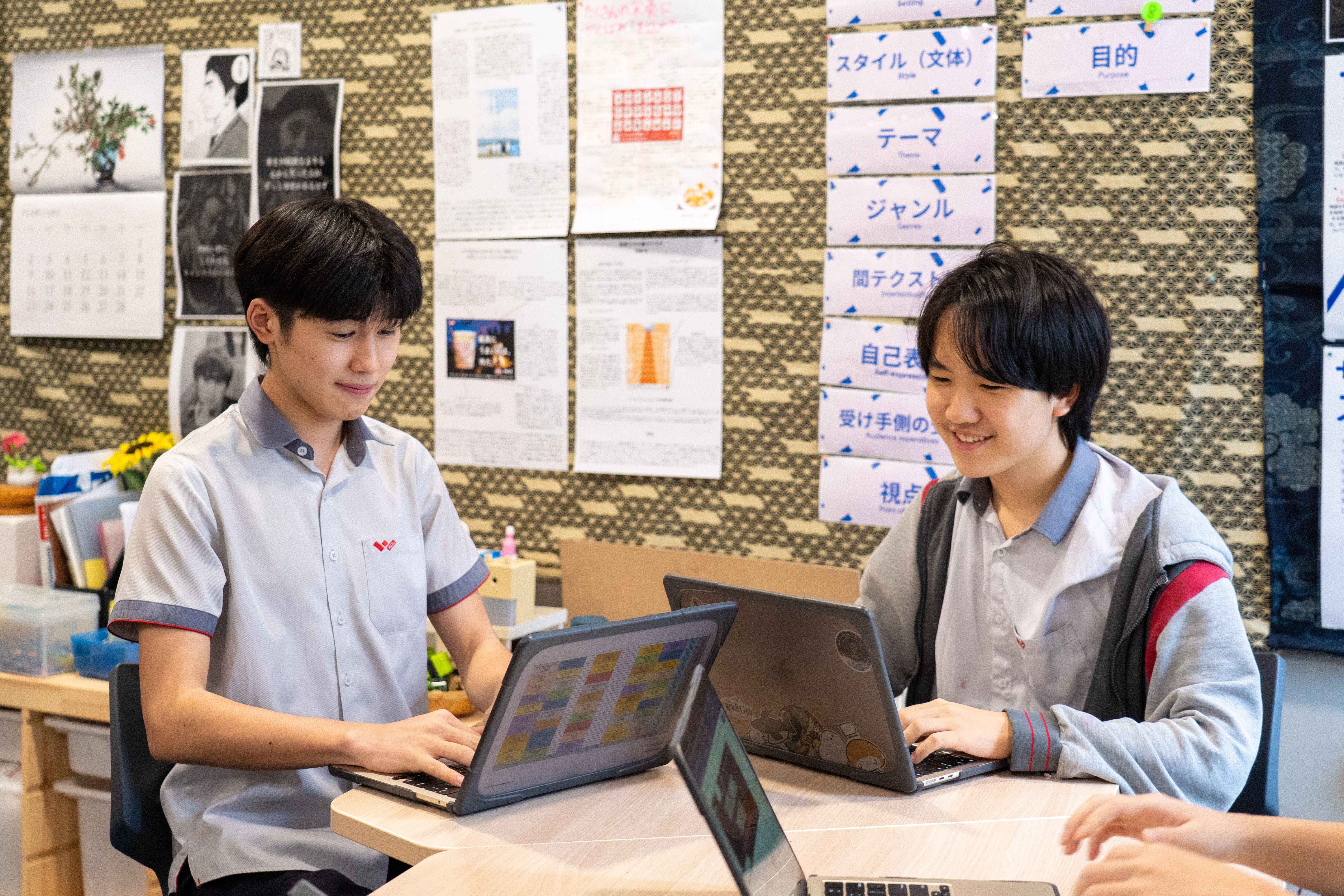
For students who spend most of the school day learning in English, dedicated time to read, write, discuss, and reflect in Japanese helps keep their home language active, expressive, and connected to their wider learning. The programme gives children space to use Japanese across meaningful topics, supporting continued language development as well as emotional stability and overall wellbeing.
By the end of Grade 5, students have spent years building literacy and deepening their understanding in Japanese alongside their English-medium learning. Their kanji development reflects individual progress over time rather than a fixed grade-level target, which is one of the programme's defining strengths.
What Your Child Gains Over Time
Research shows that students in bilingual programmes often make strong gains in both language development and overall learning. In this programme, students not only learn two languages, but also learn through both languages—using them to think, communicate, and solve problems across subjects. This strong bilingual foundation prepares students well for the IB Middle Years Programme.
By this stage, your child will have spent years reading, writing, discussing, and interpreting increasingly complex ideas across subjects in two languages, developing both academic proficiency and confidence.
.jpg)
모국어에 대해 더 자세히 알고 싶으신가요?
일본어 모국어 프로그램이 XWA에서의 전반적인 학습과 더불어 자녀의 일본어 발달을 어떻게 지원하는지 입학팀에 문의하세요.
FAQs
Get answers to the most common questions from prospective parents about our school.

The programme runs from KG2 to Grade 5.
No. Kanji learning is individualised according to each student's current proficiency, so children can join with different levels of Japanese literacy and continue progressing from where they are.
Lessons are built around the same PYP Unit of Inquiry your child is covering in their English-medium classes. Students explore the same concepts and content in Japanese, which helps them strengthen understanding across both languages rather than experience Japanese as something separate from the rest of school.
Twice a week: one dedicated language session and one lunchtime session.
The Kanji Proficiency Test, known as Kanken, is an external Japanese language qualification. XWA offers it at school for students who want to take it, but it is not a requirement of the programme.
Dedicated time in the home language helps students continue developing literacy, express themselves more fully, and stay connected to an important part of their identity while learning in an English-medium environment. The programme also contributes to emotional stability and overall wellbeing, alongside continued language development.
Still have questions?
We're here to help!