

.jpg)
週2回のセッション、学校の他の学習との連携
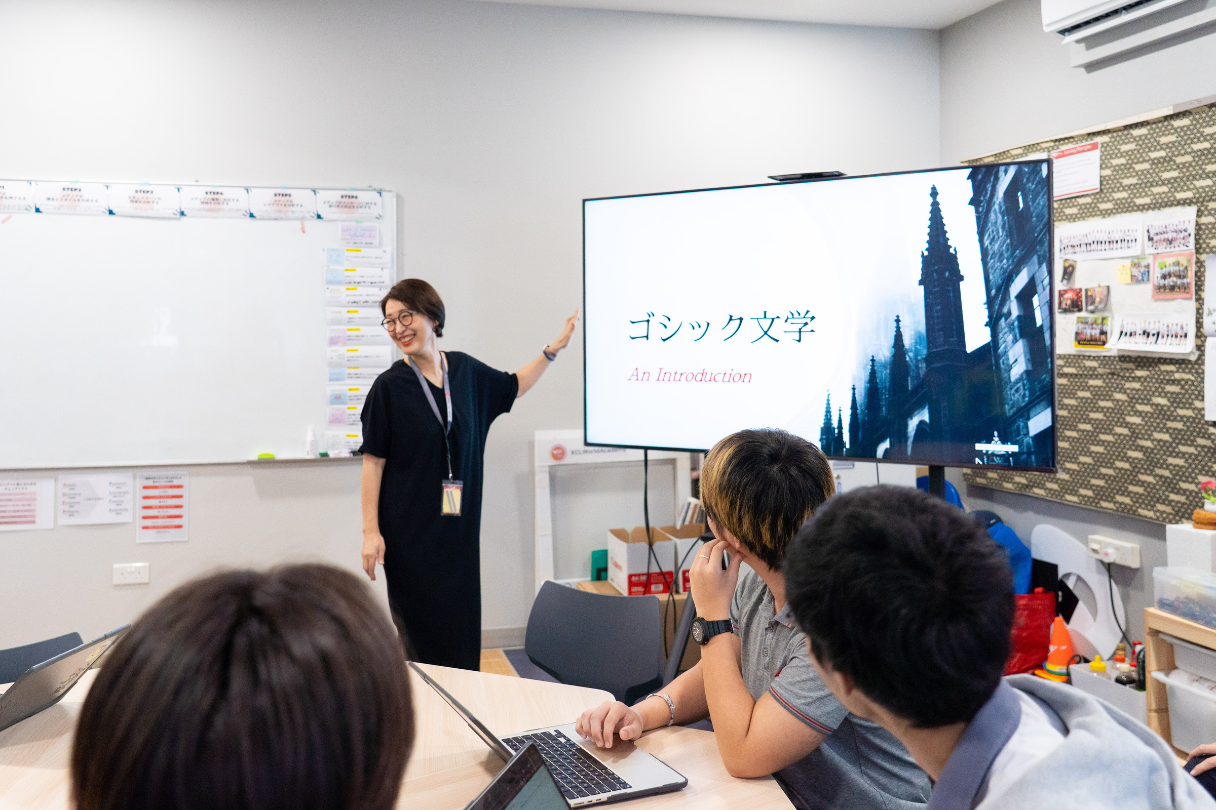
このプログラムは週に2回実施され、1回は言語学習に特化したセッション、もう1回はランチタイムセッションです。
各セッションは、お子様が英語の授業で取り組んでいるPYPの探究ユニットに直接関連しています。生徒たちは、ディスカッション、ペアワーク、グループ活動、ライティングを通じて、同じ概念を日本語で探求します。授業が学校の他の学習と同じ探究に基づいているため、生徒は日本語での理解を深めながら、英語で培っている概念学習をさらに深めることができます。
XWAのアプローチでは、PYPの探究ユニットの内容を日本語の授業に直接統合しています。これは、他の学校の日本語母語プログラムではめったに見られないアプローチです。
主要な学習体験プラットフォームであるSeesawは、プログラム全体を通して、学習活動、振り返り、記録のために使用されます。
各生徒の習熟度に応じた漢字学習
漢字指導は、学年ではなく各生徒の習熟度に合わせて個別に行われます。生徒は、現在の日本語の識字能力に合わせた指導を受け、適切なレベルで学習します。この個別化されたアプローチは、本プログラムの際立った強みであり、他の学校の母語プログラムではめったに見られない特徴です。
外部の評価基準を求める生徒のために、XWAではキャンパス内で漢字能力検定(漢検)を提供しています。毎年、この挑戦に挑む生徒が増えています。
Keeping Japanese Part of How Your Child Thinks and Expresses Themselves
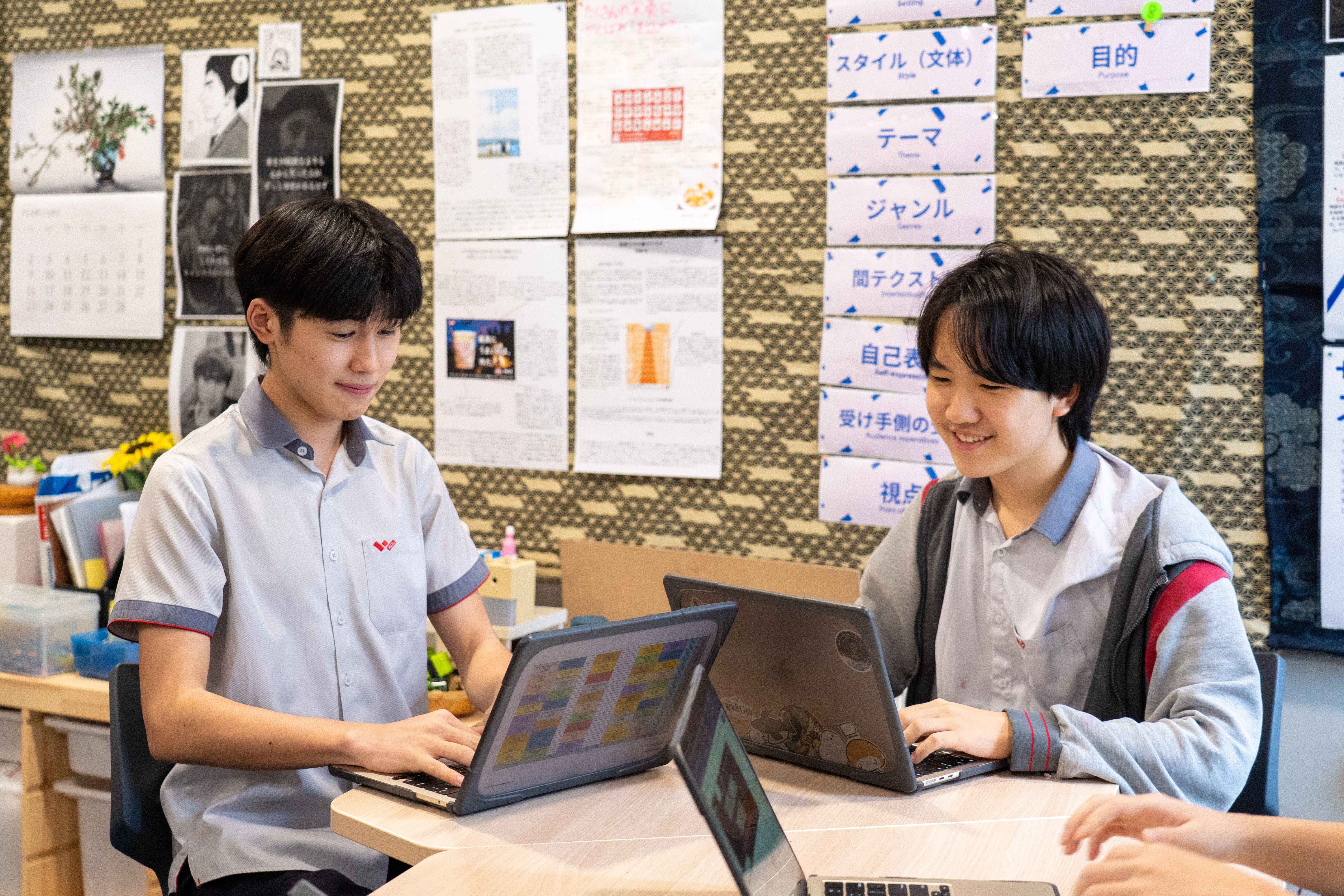
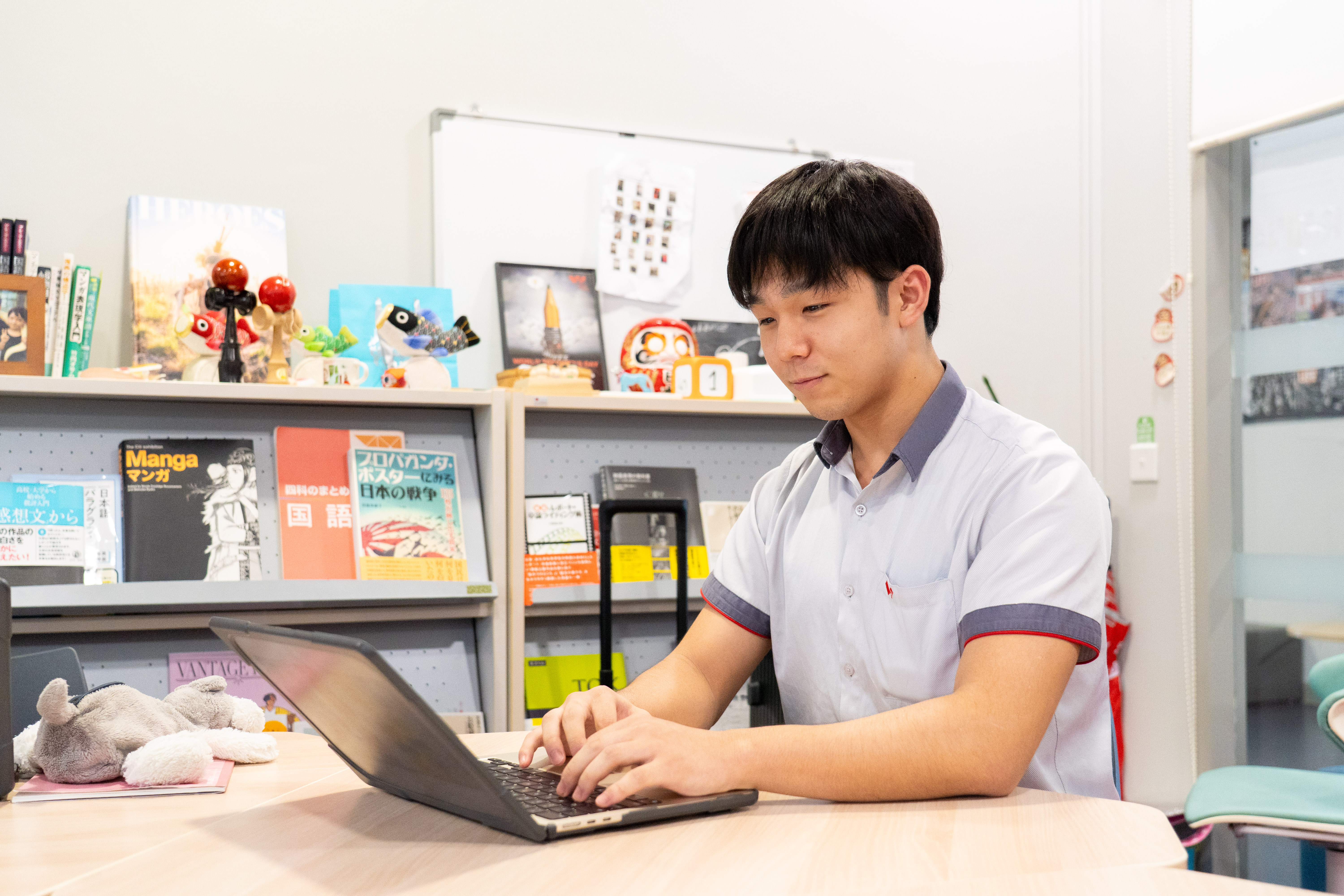
For students who spend most of the school day learning in English, dedicated time to read, write, discuss, and reflect in Japanese helps keep their home language active, expressive, and connected to their wider learning. The programme gives children space to use Japanese across meaningful topics, supporting continued language development as well as emotional stability and overall wellbeing.
By the end of Grade 5, students have spent years building literacy and deepening their understanding in Japanese alongside their English-medium learning. Their kanji development reflects individual progress over time rather than a fixed grade-level target, which is one of the programme's defining strengths.
What Your Child Gains Over Time
Research shows that students in bilingual programmes often make strong gains in both language development and overall learning. In this programme, students not only learn two languages, but also learn through both languages—using them to think, communicate, and solve problems across subjects. This strong bilingual foundation prepares students well for the IB Middle Years Programme.
By this stage, your child will have spent years reading, writing, discussing, and interpreting increasingly complex ideas across subjects in two languages, developing both academic proficiency and confidence.
.jpg)
母語プログラムについてもっと詳しく知りたいですか?
日本語母語プログラムが、XWAでの幅広い学習と並行して、お子様の日本語能力の発達をどのようにサポートするかについて、入学事務局にお問い合わせください。
FAQs
Get answers to the most common questions from prospective parents about our school.

The programme runs from KG2 to Grade 5.
No. Kanji learning is individualised according to each student's current proficiency, so children can join with different levels of Japanese literacy and continue progressing from where they are.
Lessons are built around the same PYP Unit of Inquiry your child is covering in their English-medium classes. Students explore the same concepts and content in Japanese, which helps them strengthen understanding across both languages rather than experience Japanese as something separate from the rest of school.
Twice a week: one dedicated language session and one lunchtime session.
The Kanji Proficiency Test, known as Kanken, is an external Japanese language qualification. XWA offers it at school for students who want to take it, but it is not a requirement of the programme.
Dedicated time in the home language helps students continue developing literacy, express themselves more fully, and stay connected to an important part of their identity while learning in an English-medium environment. The programme also contributes to emotional stability and overall wellbeing, alongside continued language development.
Still have questions?
We're here to help!