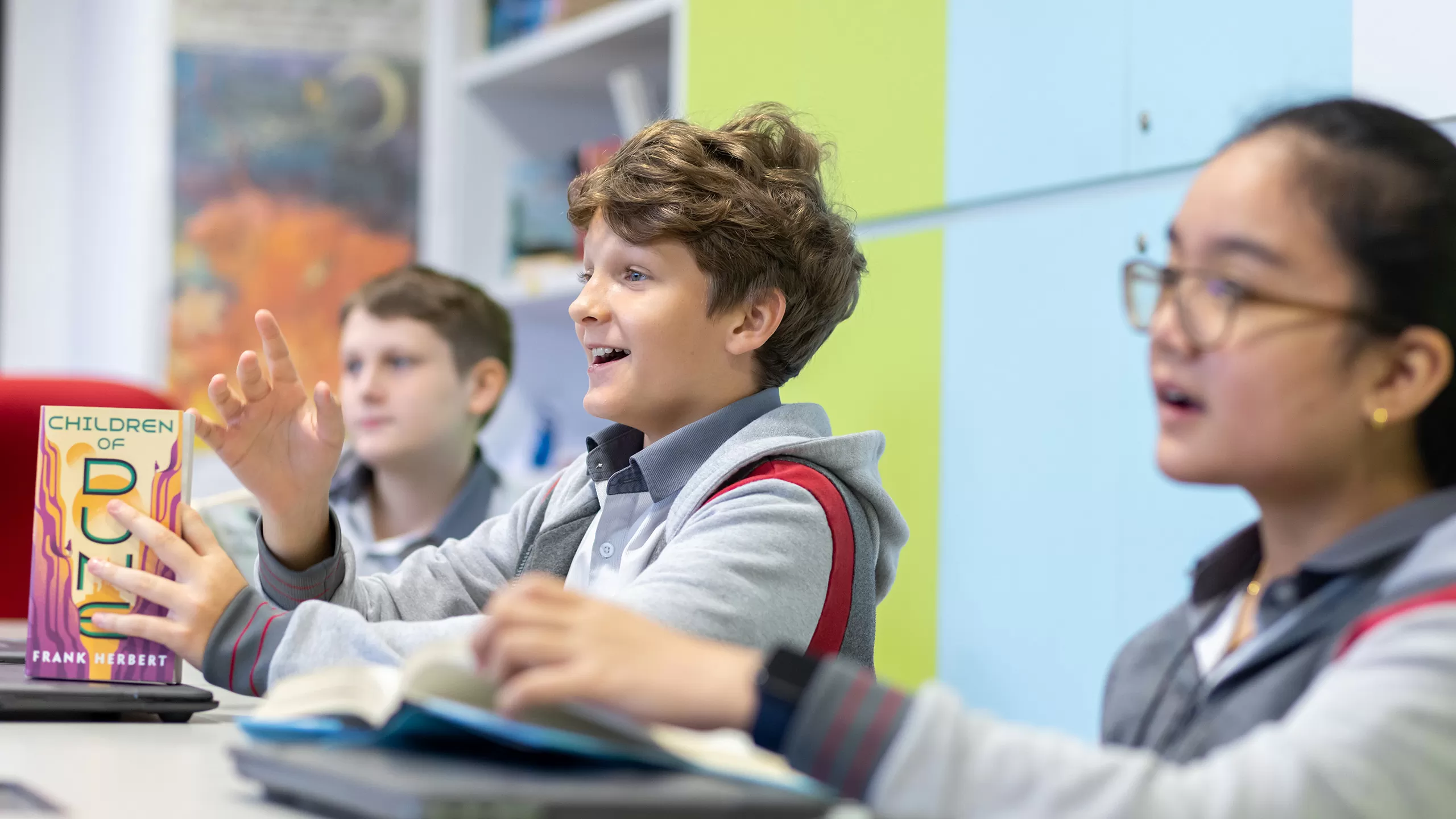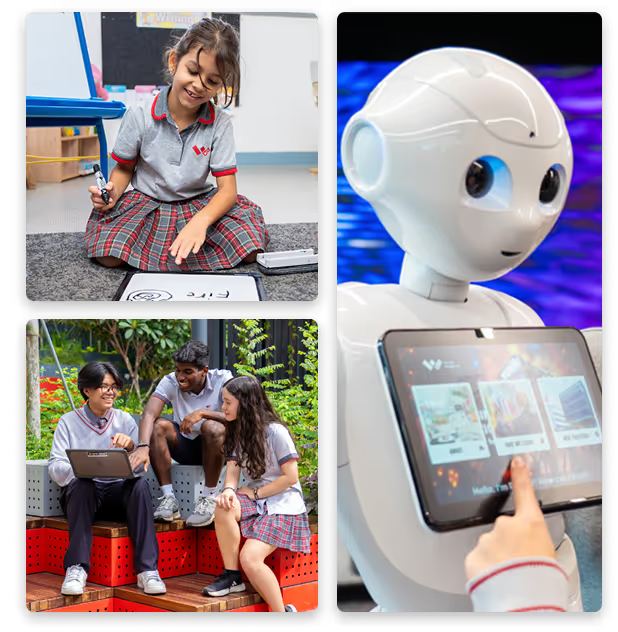


One of the best reasons to choose an international school that is truly diverse is the wide range of cultures and languages that your child will be exposed to. No matter which country you’re from, your child can celebrate their rich, unique heritage while interacting with others from all over the world.
This diversity in international schools makes it all the more attractive for parents who want a global education for their children. But how does it really benefit your child beyond the four corners of the classroom?
In this article, we’ll talk about:
- Why diversity in schools is so important
- 4 ways a diverse school benefits international students
- XWA: A truly international and diverse school
Why is diversity in schools important?
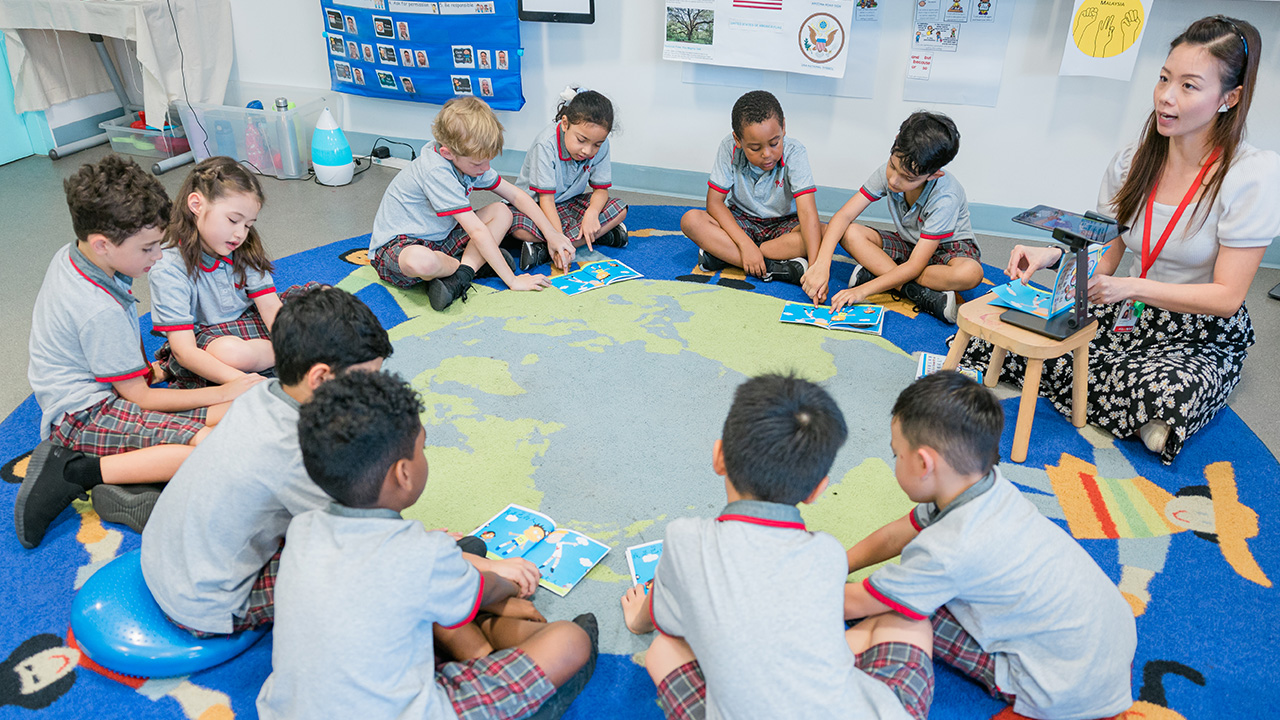
The benefits of sending your child to a school that embraces diversity are endless. Not only does it expose them to a world of cultures and languages but it also teaches them tolerance, empathy and kindness.
In a multicultural setting, children interact with classmates and teachers from many different backgrounds. This nurtures a global mindset from a very young age. It also helps students to understand that they are part of a bigger community and that their collective actions can impact the world around them.
Additionally, diverse schools are inclusive — creating a safe and supportive environment where all children can flourish. Creativity, critical thinking and open-mindedness are encouraged, preparing students to succeed in a global society.
More than just tolerance, a diverse school teaches the value of respect and acceptance. Children learn how to embrace their differences, find similarities and create positive, meaningful relationships that will help them navigate an ever-changing world.
4 ways a diverse school benefits international students
Here are the top reasons you should send your child to a school that embraces diversity:
1. Developing international-mindedness.
International-mindedness is a key trait that the International Baccalaureate (IB) seeks to nurture in students – particularly in the IB Primary Years and IB Middle Years programmes. According to the IB, “international-mindedness is a view of the world in which people see themselves connected to the global community and assume a sense of responsibility to its members.”
In a diverse school setting, the curriculum isn’t focused on any country or nationality. Instead, it’s intentionally designed to promote a broader worldview in students. From discussing world issues to celebrating cultural traditions, children understand that they are part of a bigger community and that their actions can make the world a better place for others.
Students also gain a deeper understanding of complex global issues beyond what’s written in their textbooks. By looking at these issues from different perspectives, students learn how to think critically and consider the welfare of others.
2. Nurturing empathy, kindness and respect.
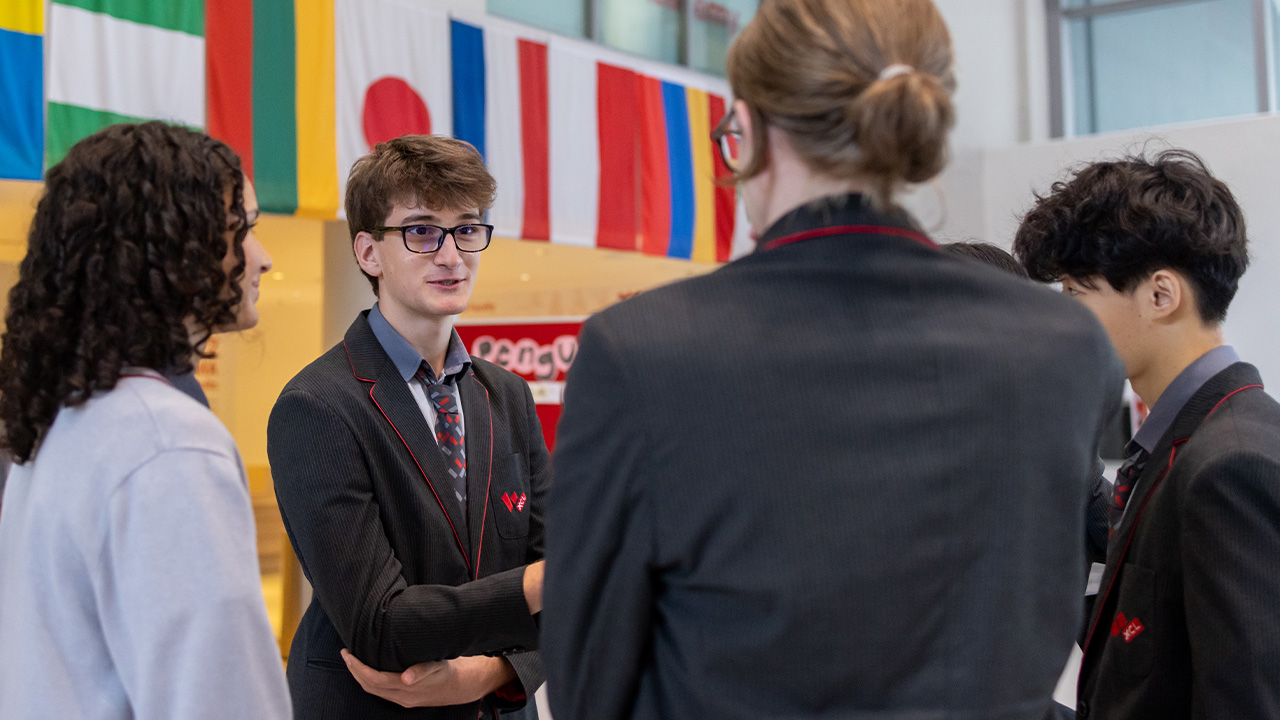
In a multicultural setting, children are exposed to different customs, beliefs, languages, food and religions every single day. These valuable, first-hand experiences teach them how to respect and accept people who are different from them.
When school diversity is celebrated, children also have the unique opportunity to join cultural events, try different food and partake in new traditions. This helps them connect with their classmates over shared experiences. Over time, this strengthens their social and emotional skills — including communication, leadership, teamwork and collaboration.
3. Helping children to connect with their culture.
Many parents worry about their child losing their cultural identity — but not in a diverse school. The inclusive environment means that children can freely celebrate their unique heritage even as they learn about others.
Students are encouraged to share their culture, speak their home language and discover similarities with their classmates. By putting an emphasis on tolerance and respect, diverse schools create a comforting environment where every child feels valued and safe.
4. Developing creativity and collaboration.
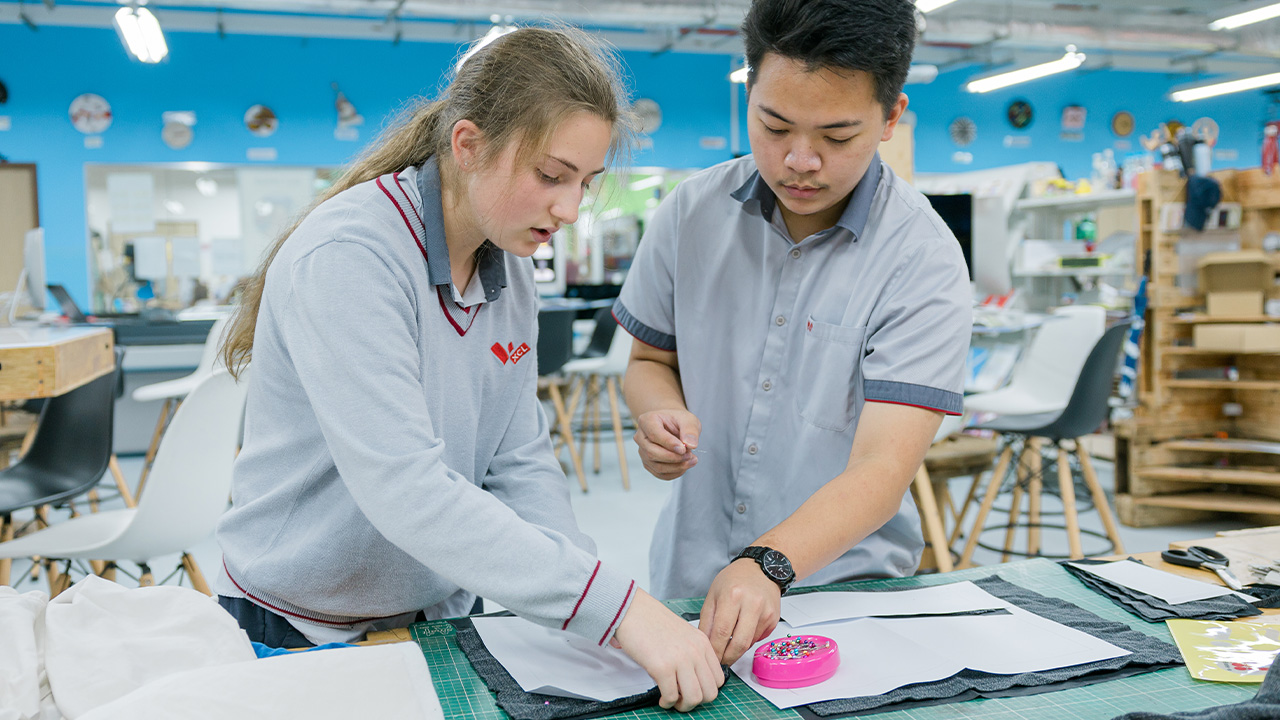
In our global society, skills such as teamwork and creativity are more important than ever. Students who grow up in a multicultural setting are exposed to other ideas and perspectives, which helps develop curiosity and collaboration. Children learn first-hand that the best way to solve a problem is by working with others.
Students with strong intercultural awareness are also shown to perform better academically, as they are frequently exposed to other ideas, concepts and beliefs.

XWA: Experience personalised learning and diversity
At XCL World Academy (XWA), the School of the Future, your child can make friends with children from all over the world. With over 60 countries represented, and no dominant nationality or cultural group, our students enjoy a rich, multicultural environment unlike anywhere else.
Teachers at XWA are handpicked from their respective countries to ensure the best teaching experience from around the globe. Small class sizes allow our educators to focus on your child’s unique abilities to design personalised learning plans and help each student realise their unique potential.
Recognising the shift to a more global society, XWA offers a Chinese (Mandarin) – English Bilingual Programme. The programme gives students the opportunity to learn how to read, write, and speak in both languages, giving them an edge in the global employment scene. Alternatively, students can opt to learn Spanish, Mandarin, French, or English as a Second Language. A new offering in the 2022/23 academic year is Japanese home language (mother tongue), which has been introduced to support our robust Japanese community.
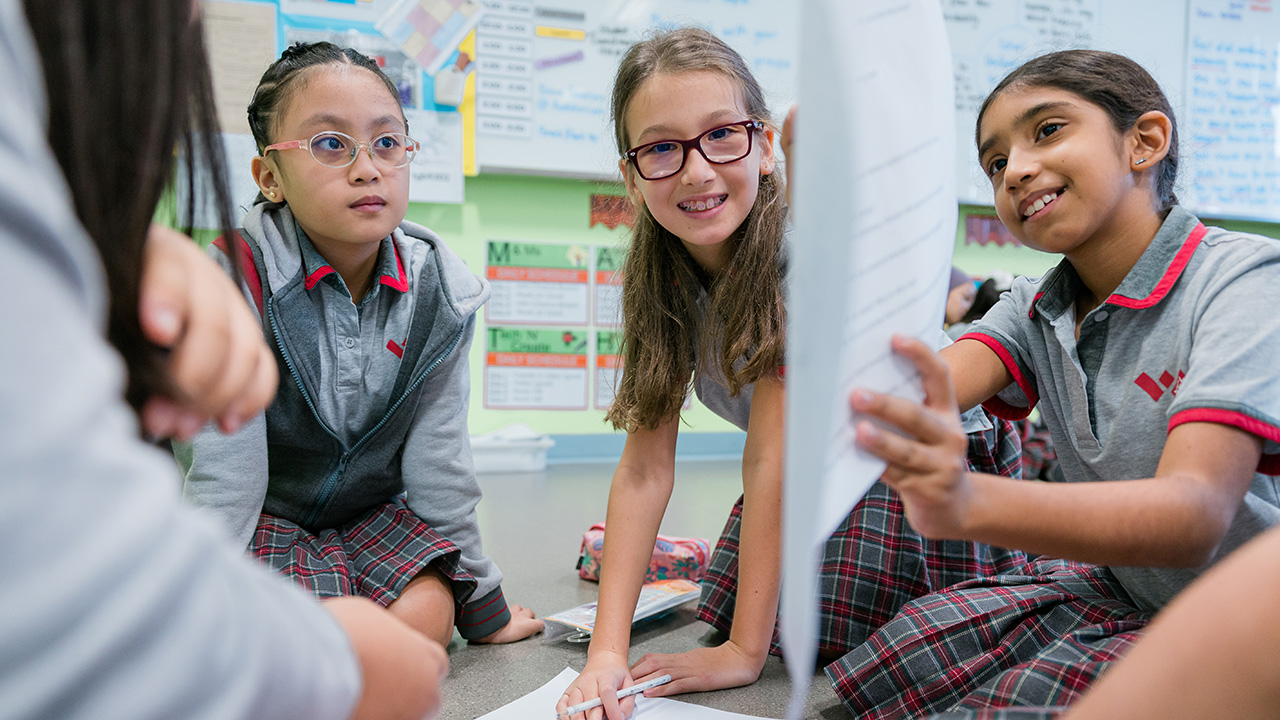
XWA offers numerous clubs and extra-curricular activities where students can learn and enrich their skills in sports, arts, languages and technology. Our Model United Nations, in particular, helps students develop leadership skills and familiarise them with diplomacy and international relations at an early age.
Through our University and Career Guidance Programme, we help our students explore career options related to their diverse interests. This will help get them accepted into their dream universities and equip them with knowledge and important life skills for their future careers.
Having safe and encouraging spaces where our students can express themselves and embrace their uniqueness is one of the highlights of student life at XWA.
Book a tour today to learn more about the school’s diversity and our wonderful community!