

Mudarse a un nuevo país puede ser una experiencia emocionante pero desafiante, especialmente cuando se hace con la familia. Singapur atrae a las familias expatriadas con su excepcional calidad de vida, su excelente sistema educativo y su vibrante oferta cultural.
Esta guía completa le ayudará a navegar el proceso de mudarse a Singapur y proporcionará a su familia la información esencial que necesita para garantizar una transición fluida.
Antes de mudarse
Visados y permisos de trabajo
Antes de mudarse a Singapur, asegúrese de tener los visados y permisos de trabajo adecuados para los miembros de su familia. El tipo de visado que necesita depende de su situación laboral y de la duración de su estancia. Puede consultar la página web de la Autoridad de Inmigración y Puntos de Control (ICA) para obtener información detallada o póngase en contacto con el Departamento de Recursos Humanos de su nuevo empleador para obtener ayuda.
El sistema de visados de Singapur clasifica a las personas en diferentes grupos según el propósito y la duración de su visita. Los tipos de visado más comunes con los que debe familiarizarse son los siguientes:
- Pase de Empleo Personalizado (PEP) – Para personas con altos ingresos que deseen trabajar en diferentes sectores o iniciar sus propios negocios.
- Pase de Empleo (EP) – Para profesionales extranjeros, gerentes, ejecutivos o empleados cualificados que trabajen en Singapur.
- Pase S – Para trabajadores cualificados de nivel medio en diversas industrias.
- Pase de Dependiente (DP) – Para cónyuges e hijos de titulares de un Pase de Empleo o un Pase S.
- Pase de Estudiante – Para estudiantes internacionales matriculados en instituciones educativas en Singapur.
- Pase de Visita de Larga Duración (LTVP) – Para cónyuges de hecho, hijastros o padres de ciudadanos o residentes permanentes de Singapur.
Conocer los requisitos y el proceso de visado e inmigración de Singapur es vital, ya que le permite vivir, trabajar o estudiar en el país.
Opciones de Alojamiento para Expatriados
Investigue sus opciones de alojamiento antes de llegar a Singapur. A continuación, se presentan las principales opciones disponibles en Singapur:
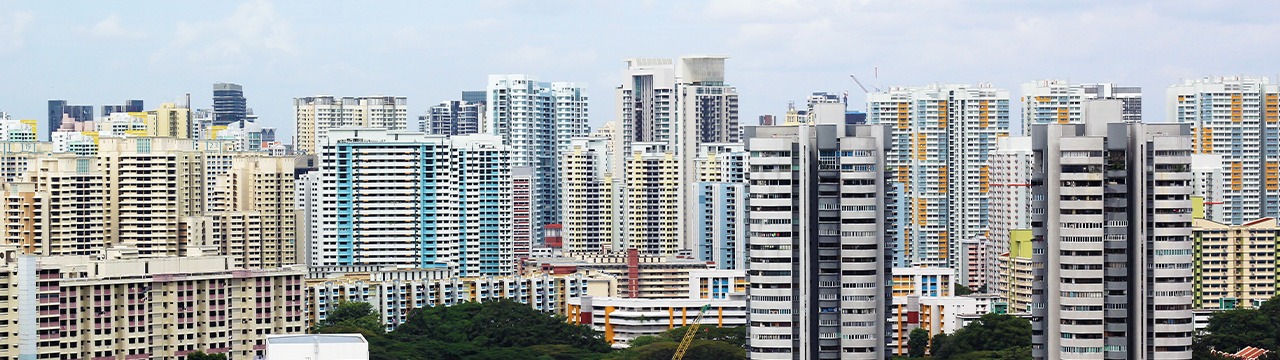
- Pisos de la Junta de Vivienda y Desarrollo (HDB): Los pisos HDB representan unidades residenciales subvencionadas por el gobierno, que ofrecen una amplia gama de tamaños, desde apartamentos tipo estudio hasta alojamientos de varias habitaciones, adaptándose así a diversos tamaños de familia y consideraciones financieras. En muchos casos, los pisos HDB se consideran una alternativa rentable en comparación con los condominios y las propiedades con terreno. Estas instalaciones están estratégicamente distribuidas por todo Singapur, frecuentemente ubicadas cerca de estaciones de MRT y paradas de autobús. Sin embargo, generalmente carecen de ciertas comodidades como gimnasios y piscinas.
- Condominios: Aunque esta opción de vivienda tiene un precio ligeramente más alto que los HDB, ofrece una amplia gama de comodidades, incluyendo piscinas, gimnasios y protocolos de seguridad mejorados. Los expatriados, en particular, prefieren los condominios debido a la inclusión de instalaciones que mejoran la comodidad y conveniencia en la vida diaria.
- Propiedades con terreno: Esta categoría incluye bungalós, casas adosadas y casas en hilera, ofreciendo a los residentes espacios de vida más amplios y mayor privacidad. Es esencial tener en cuenta que las propiedades con terreno generalmente conllevan un costo más elevado en comparación con otras alternativas de vivienda.
- Apartamentos con servicios: Los apartamentos con servicios son una opción conveniente y flexible para individuos o familias que se mudan a Singapur, especialmente si necesita alojamiento temporal mientras busca un hogar permanente. Estos apartamentos están totalmente amueblados y equipados con todas las comodidades necesarias para una estancia confortable.
Las zonas populares entre los expatriados incluyen Orchard, Bukit Timah, Holland Village, River Valley y las zonas de East Coast. Considere factores como la proximidad a escuelas y transporte público al elegir una ubicación. Muchos expatriados prefieren residir cerca de Yishun, Serangoon Gardens, Hougang y Punggol debido a las tarifas de alquiler favorables, las zonas verdes y la reciente reubicación de numerosas escuelas internacionales.
Antes de formalizar cualquier contrato de alquiler, se recomienda considerar los siguientes factores:
- Establezca su presupuesto: Inicie el proceso estableciendo un presupuesto pragmático que abarque los gastos de alquiler, los servicios públicos y los gastos asociados. Realice una investigación exhaustiva para determinar las tarifas de alquiler actuales en los barrios seleccionados, asegurando una evaluación precisa de la asequibilidad. Tenga en cuenta que, si bien la mayoría de los barrios se encuentran a una distancia de 10 a 20 minutos entre sí, las variaciones de precios pueden ser significativas. Explorar zonas más allá de los lugares populares convencionales podría revelar alternativas tranquilas y rentables.
- Seleccione su ubicación preferida: Investigue a fondo los diversos barrios de Singapur para identificar uno que se alinee perfectamente con sus requisitos y preferencias específicos. Considere la proximidad de su futura residencia a su lugar de trabajo o a la escuela de sus hijos, ya que esta consideración puede traducirse en ahorro de tiempo y costes.
- Contrate a un profesional inmobiliario: Si es un recién llegado a Singapur y tiene un conocimiento limitado del mercado inmobiliario local, es aconsejable contratar los servicios de un agente inmobiliario de confianza. Estos profesionales pueden proporcionarle orientación experta, darle acceso a una gama más amplia de listados de propiedades y negociar condiciones favorables en su nombre. Para identificar agentes y empresas inmobiliarias creíbles, consulte fuentes fiables como PropertyGuru, 99.co, etc. Es aconsejable discutir y confirmar todas las tarifas, incluidas las comisiones del agente, antes de contratar sus servicios para evitar sorpresas posteriores.
- Realice inspecciones físicas de la propiedad: Siempre que sea posible, planifique una visita a Singapur antes de comprometerse con un contrato de arrendamiento a largo plazo. Esto le permitirá realizar inspecciones in situ de posibles propiedades, lo que le permitirá evaluar su estado físico, la idoneidad de la ubicación y la alineación con sus requisitos.
- Familiarícese con la normativa de alquiler: Dedique tiempo a comprender las complejidades de los contratos de arrendamiento y los derechos y responsabilidades tanto de los propietarios como de los inquilinos en el contexto de Singapur.
Seguir los pasos descritos debería guiarle para descubrir la residencia ideal para su familia, un lugar al que pueda llamar hogar cómodamente durante muchos años.
Seguro médico

Asegúrese de tener un seguro médico completo para su familia. Aunque Singapur cuenta con excelentes instalaciones sanitarias, los costes médicos pueden ser elevados sin seguro.
Planificación financiera
Abra una cuenta bancaria en Singapur y considere las opciones de cambio de divisa para sus ahorros y gastos. Es aconsejable consultar a un asesor financiero para optimizar sus finanzas para su nueva vida en Singapur.
Educación
Los expatriados que se mudan a Singapur deben conocer las diversas opciones educativas disponibles para sus hijos. Singapur ofrece un sistema educativo diverso y de alta calidad, pero hay ciertas consideraciones y procedimientos que los expatriados deben tener en cuenta:
Tipos de escuelas en Singapur
- Preescolares: Si tiene hijos pequeños, considere inscribirlos en un preescolar o centro de cuidado infantil. Singapur ofrece varias opciones de preescolar, incluyendo tanto locales como opciones internacionales.
- Escuelas públicas: Las escuelas públicas de Singapur son conocidas por sus altos estándares académicos y son una opción para los hijos de expatriados. Sin embargo, hay plazas limitadas disponibles para no ciudadanos, y la competencia puede ser feroz.
- Escuelas internacionales: Muchos expatriados eligen inscribir a sus hijos en escuelas internacionales. Estas escuelas siguen varios currículos internacionales (por ejemplo, Bachillerato Internacional (IB), británico, americano, australiano, etc.), ofrecen un entorno diverso e instalaciones de primer nivel, y a menudo facilitan una transición más fluida para los hijos de expatriados.
- Plan de estudios e idioma: Considere el plan de estudios y el idioma de instrucción que mejor se adapte a las necesidades y planes futuros de su hijo. Algunas escuelas ofrecen educación bilingüe y Programa de Inglés como Idioma Adicional para niños con dominio limitado del inglés.
Cuestiones de admisión y cuotas de matrícula

- Procedimientos de solicitud: Investigue los procedimientos de solicitud y los plazos de la escuela elegida, ya que muchas escuelas internacionales tienen criterios de admisión específicos y plazos de solicitud.
- Tasas y costes: Prepárese para elevadas cuotas de matrícula, especialmente en escuelas internacionales. Algunas empresas incluyen subsidios educativos como parte de los paquetes de reubicación para expatriados. Las cuotas de matrícula de las escuelas públicas para expatriados varían, oscilando entre 490 SGD y 888 SGD al año. Por otro lado, las cuotas de las escuelas internacionales en Singapur oscilan entre 14.000 SGD y 60.000 SGD al año.
- Vacunas: Verifique la lista de vacunas obligatorias para la entrada a Singapur, ya que pueden existir requisitos específicos para fines de empleo y matriculación.
Transportation & Accessibility
Singapore has a reliable public transportation system, but consider the school’s proximity to your home and its accessibility.
Extracurricular activities
Look into the extracurricular activities and support services offered by schools, as these can significantly enrich your child’s educational experience.
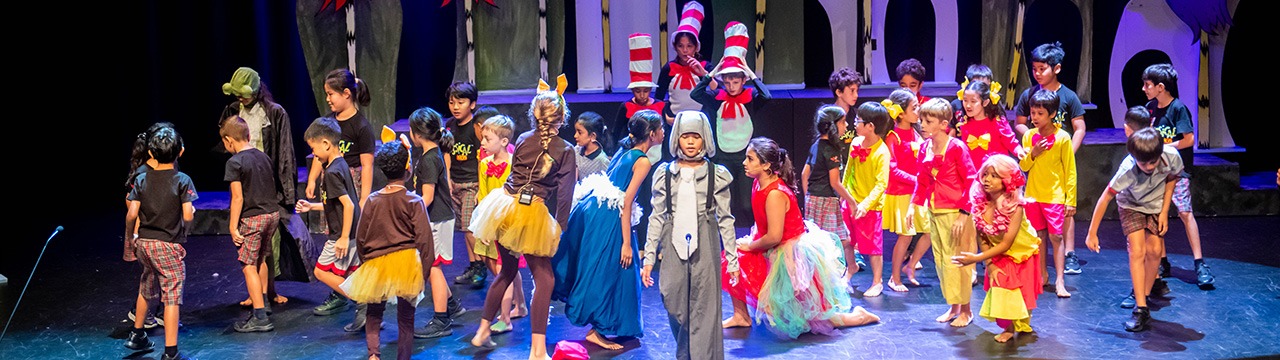
Planning and preparation are key to ensuring a smooth transition for your children’s education in Singapore. If you are still determining whether a public or international school is the right choice for your child, consider reading this article for further insights and guidance.
To assist you in making the best decision for your child, we strongly advise you to read the article “8 Key Factors to Consider When Selecting an International School in Singapore.”
Choosing the Perfect Neighborhood in Singapore
When determining your ideal place of residence in Singapore, it’s essential to consider various factors. These include your proximity to your workplace, preferred commute style, accessibility to public transport, dining choices, educational institutions, housing preferences, and the availability of recreational amenities. Let’s explore some of Singapore’s highly sought-after neighbourhoods and understand why they stand out as excellent choices for establishing your home.
Central Area
- Orchard Road is Singapore’s ultimate shopping and entertainment destination, attracting those who value convenient access to high-end malls and restaurants. Despite the higher rental costs, this area offers tranquillity in its lush neighbouring areas, accompanied by prestigious clubs such as the American Club and Tanglin Club, elevating the neighbourhood’s sense of luxury.
- Nestled between Orchard Road and the Singapore River, River Valley and Robertson Quay areas cater to singles, young couples, and families looking for a vibrant environment and easy access to the Central Business District (CBD), offering modern high-rise condos and beautiful conservation houses (shophouses). Additionally, the area’s excellent bus connectivity and proximity to the CBD make it a preferred choice for working professionals, with the added appeal of a lively nightlife scene along the Singapore River.
- Chinatown and Tanjong Pagar are perfect for those who work in the city and enjoy a diverse food scene, with a short commute to the CBD and a wide range of housing options to suit various preferences.
- Tiong Bahru is a trendy neighbourhood known for its rich heritage and hipster ambience. It’s also a haven for food enthusiasts with its cosy cafes, bakeries, boutiques and a huge fresh produce market.
Areas in a Close Proximity to the Central Area
- Tanglin area is undeniably appealing to those seeking a peaceful, lush residential environment. Its merits encompass a variety of housing options, from landed properties to condominiums, offering a serene getaway from the bustling city life. Residents can conveniently access the nearby Botanic Gardens and Dempsey Hill, which offer a wide range of dining choices, enhancing the overall appeal of this area.
- Holland Village, renowned for its bohemian ambience, is a preferred choice for expatriates. In contrast, Bukit Timah is a paradise for nature lovers, with its abundant jungles and quiet living surroundings.
- Nestled north of Orchard, Novena, Newton, and Balestier are popular due to their central location, convenient access to amenities, including medical facilities and educational institutions, diverse housing options, and a mix of shopping, entertainment, and green spaces. Additionally, Balestier stands out for its historical significance and cultural identity, while ongoing infrastructure development contributes to the overall appeal of these neighbourhoods.
- Braddell, Serangoon, Lorong Chuan, and Kovan are desirable residential neighbourhoods appealing to families seeking a peaceful living environment. These areas provide spacious housing options, including condos and family houses with gardens, and offer convenient access to NEX Mall and Serangoon Gardens, known for diverse shopping and dining experiences.
- Thomson area offers a diverse neighbourhood featuring a variety of attractions, including the Singapore Polo Club and pristine nature reserves. Residents and visitors can enjoy natural escapes through accessible green spaces like MacRitchie, Peirce, and Seletar Reservoirs, explore retail and dining opportunities at Thomson Plaza, and benefit from enhanced transportation links thanks to the Thomson-East Coast MRT line.
North
- Seletar, Yishun, and Yio Chu Kang offer an appealing blend of spacious living and lush green surroundings, including the scenic Lower Seletar Reservoir and Upper Thomson. The area also provides access to various dining options and shopping centres, making it an attractive choice for residents. The region has affordable housing options, from houses and condos to charming colonial homes. It offers convenient proximity to international schools alongside ongoing growth in dining destinations, malls, and recreational green spaces, ideal for leisurely walks and bike rides.
- Woodlands is a family-oriented, spacious, green neighbourhood renowned for its affordability and suburban atmosphere. Living in Woodlands offers the advantages of reasonably priced family homes, proximity to natural attractions such as the Singapore Zoo and Sungei Buloh Wetland Reserve, and its role as a convenient gateway to Malaysia.
West
- Upper Bukit Timah presents a serene suburban escape bordering the Bukit Timah Nature Reserve, perfect for those who appreciate nature. It offers a picturesque setting with lush jungle surroundings and diverse housing options, ranging from affordable condos to semi-detached houses. Additionally, the neighbourhood boasts an array of shopping centres and delightful suburban restaurants, enhancing its overall appeal.
- Jurong area offers ample opportunities for retail therapy, with shopping centres like J-Cube and JEM making it an attractive choice for families. Additionally, Jurong benefits from excellent transportation links, including the AYE and PIE expressways and multiple MRT stations, ensuring seamless connectivity to various parts of the island.
South
- Sentosa Cove provides an exceptional oceanfront living environment with a thriving international community. Renowned for luxury living, Sentosa Cove offers access to recreational facilities such as golf courses and yacht clubs. Additionally, the neighbourhood offers many lifestyle amenities, including beautiful beaches, exciting tourist activities, and a VivoCity shopping mall.
- Mount Faber, located on the mainland near Sentosa, offers a serene suburban atmosphere and a vibrant expat community. Its key features encompass a picturesque landscape with lush hills, convenient access to expressways, and an abundance of shopping and dining options at VivoCity and HarbourFront malls.
- Pasir Panjang, a neighbourhood renowned for its colonial residences, provides a cosy and convenient way of life. Its distinctive attributes encompass the historical charm of housing many of Singapore’s older colonial homes and an easy commute to the CBD. Additionally, residents can enjoy nature escapes by exploring Kent Ridge Park and the Southern Ridges or enjoying seaside relaxation at Labrador Park.
East
- The East Coast, stretching from Kallang Basin to Changi Airport, remains a sought-after destination for expats, offering spacious and reasonably priced condominiums. Its alluring features include a coastal lifestyle and the vibrant recreational hub of East Coast Park, providing great opportunities for cycling, running, dining, and entertainment, facilitated by the seamless connectivity offered by three expressways.
- Katong and Joo Chiat are known for their local Peranakan culture, characterised by picturesque and colourful shophouses, vibrant street life and a wealth of local hawker stalls. These neighbourhoods also offer diverse shopping and dining experiences with large malls like Parkway Parade, i12 Katong and Eastpoint Mall. While not situated on the coast, they enjoy convenient proximity to the CBD.
- The East Coast neighbourhoods of Siglap, Bedok, and Tampines offer a cosy village-like ambience, drawing in families and individuals seeking a tranquil living environment alongside an array of local and international dining choices. Housing options are diverse, spanning apartments, townhouses, and spacious detached bungalows to cater to various preferences. Additionally, the convenience of MRT stations for easy accessibility and the proximity of Changi Airport make these areas highly appealing for residents.
- Changi, Loyang, and Pasir Ris are the closest residential neighbourhoods to Singapore’s airport, ensuring unparalleled convenience for frequent travellers. They provide a combination of seaside proximity and a tranquil countryside ambience, offering multiple outdoor adventure opportunities through attractions like Pasir Ris Park, Changi Boardwalk, and Pulau Ubin. These areas promise a serene living environment with a strong connection to nature, making them a unique escape from the city’s hustle and bustle.
Ultimately, the best neighbourhood for your family will depend on your unique preferences and priorities. It is essential to do thorough research, perhaps with the assistance of a local real estate agent or relocation expert, to find a neighbourhood that aligns with your family’s needs and expectations.
Cost of Living in Singapore

Like many things in life, the cost of living in Singapore depends on the choices you make regarding your lifestyle. There is no one-size-fits-all approach, as everyone has different priorities. Keep in mind that when moving as an expatriate, there are initial setup costs to account for, including expenses related to relocation, shipping your belongings and furnishing your new home. Additionally, you may need to make upfront payments or deposits for activities like enrolling your child in a school or joining a gym.
Utilities
Singapore is a small island nation with limited natural resources, resulting in relatively high costs for essential utilities like electricity and water. If you opt for round-the-clock use of the aircon, you will quickly realise this when you receive your first monthly electricity bill, which may prompt you to reconsider your living habits.
Typically, bills for electricity and water are bundled together and managed by the national provider, SP Services. However, you do have the option to explore alternative providers. The costs for these utilities can vary considerably, starting from SGD 150 per month, depending on the size of your property and your usage patterns.
Television, Cable and Broadband
Television, Cable, and Broadband Internet services are typically bundled under a single provider in Singapore, such as Singtel or StarHub. Like many things in Singapore, you will find various deals and offers based on your preferences. Singapore is known for its robust and efficient technology infrastructure, so that you can expect reasonable costs for high-speed internet and generous data allowances.
For example, high-speed broadband Wi-Fi is available at a monthly rate of SGD 40 – 60, while cable TV and sports channels can be added for an extra SGD 50 – 100, depending on your chosen channels. The monthly cost of a mobile phone plan in Singapore typically ranges from SGD 20 to SGD 60, contingent on the data and call/SMS allowances provided by the plan.
Food
The cost of food and grocery shopping in Singapore can vary widely depending on where you shop, what you buy and your personal preferences. Singapore is known for its diverse food scene, with options ranging from affordable hawker stalls to high-end restaurants and supermarkets. Here are some general guidelines to give you an idea of the cost of food and groceries in Singapore:

- Hawker centres: Hawker centres (food courts) are popular in Singapore for their affordable and delicious local cuisine. You can find meals for as low as SGD 4 to SGD 10. A plate of chicken rice or a bowl of laksa typically falls into this price range.
- Local markets: Wet markets and neighbourhood grocery stores are excellent options for purchasing fresh produce, meat, and seafood. Prices may vary, but you can often find affordable fruits and vegetables at lower rates than those in supermarkets.
- Supermarkets: Singapore has several supermarket chains, including FairPrice, Cold Storage, Giant, and Sheng Siong. Supermarket prices are generally higher than wet markets, but they offer a wider variety of products. The cost of groceries can vary, but as a rough estimate, a weekly grocery bill for a single person might range from SGD 50 to SGD 150, depending on your shopping habits and dietary preferences. You can also discover unique Japanese grocery stores and shops that offer a wide range of international products, including items from the Baltic, France, Germany, Australia, and gourmet selections.
- Dining out: Dining out in Singapore can be costly, particularly at upscale establishments. Anticipate spending approximately SGD 50 to SGD 80 or above per person for a meal at a mid-range restaurant, with fine dining establishments often being considerably more expensive.
- Alcohol and imported goods: Alcohol and imported goods come with higher price tags in Singapore, attributed to taxes and import duties.
- Delivery and takeout: Additional fees might apply when ordering food for delivery or takeout, and the cost can fluctuate based on the restaurant or the food delivery service chosen.
- Cooking at home: Cooking at home is typically more budget-friendly than eating out. You can cut costs by cooking your meals from scratch using locally sourced ingredients.
It is important to remember that prices may vary due to inflation, global economic conditions and government policies. For the most accurate and current information on food and grocery prices in Singapore, it is recommended to check the websites of local supermarkets or seek advice from residents currently residing in the country.
Taxes
Singapore boasts a relatively low tax system, featuring personal income tax rates from 0% to 22%. Additionally, the city-state imposes an 8% Goods and Services Tax (GST) on most goods and services.
Healthcare
Healthcare in Singapore is renowned for its high quality, though it often comes with a substantial cost. Having comprehensive health insurance is essential for residents to mitigate the expenses linked to medical treatment. Healthcare costs vary depending on the type of services needed, but it’s typical for a single visit to a specialist doctor or hospital to exceed SGD 200.
Transportation
Monthly transportation costs in Singapore vary based on your daily travel distance and choice of transportation. Living closer to work and the city centre can result in lower expenses than commuting from farther locations. Buying a car in Singapore is generally expensive, with additional monthly car-related expenses. For most people, a combination of affordable public transport and occasional ride-hailing services is a practical choice, with an estimated monthly cost of around SGD 100 for public transportation plus an additional SGD 80 for occasional ride-hailing needs.
Culture
Singapore is a melting pot of cultures with various traditions and festivals. You will find a welcoming and inclusive society where diversity is celebrated. While many cultural events and attractions are affordable, there are also plenty of upscale options for those looking to indulge in the arts and culture scene.
Simplifying Your Move to Singapore with Expert Relocation Services for Expats

If relocating feels overwhelming, consider seeking assistance from reputable relocation agencies. They can support your entire journey, whether your needs include locating the ideal property, arranging school tours, or logistics services.
Consider reaching out to the following well-regarded relocation agents:
- Crown Relocations has been a dedicated advocate for successful global relocation for over 50 years. The company offers comprehensive services, guiding individuals, families, and employees worldwide with expert advice and seamless management throughout the process.
- LandPlus Group is a distinguished partner in the global relocation management sector and is renowned for its tailored programmes, value-added support and unparalleled service delivery. Its commitment to individualised experiences ensures a seamless transition for each transferee, recognising the uniqueness of every move.
- Santa Fe Relocation, a Global Mobility company, specialises in managing and delivering top-tier relocation services worldwide. The core competence lies in facilitating seamless relocations for corporations, their employees, and their families, maintaining consistently high standards locally and globally through internal operations and trusted partners.
These relocation agencies can efficiently narrow down suitable properties that align with your preferences, negotiate lease terms on your behalf, and guide you through the rental process. Moreover, they possess in-depth knowledge of the local education landscape, including international schools, local schools, and various curriculum options. They are well-equipped to assist in school selection, support with applications, and navigate admission procedures, ensuring a seamless transition for your children.
Many relocation companies offer supplementary support services to facilitate your family’s adaptation to the new environment. These services may encompass orientation tours, assistance with utility setup, acquisition of essential documents, and connections to vital amenities such as healthcare providers and transportation services. Your relocation journey to Singapore can be made smoother and more manageable with these trusted experts.
Discover XCL World Academy International School in Singapore
Moving abroad as an expat family can be a daunting endeavour, but XCL World Academy (XWA) international school is here to facilitate a smoother transition for both you and your children.
At XWA, we not only offer a rigorous and well-balanced International Baccalaureate (IB) continuum education for students in Singapore but are also fully committed to fostering a nurturing and inclusive learning environment tailored to the specific needs of your children.
Recognising the significance of a seamless transition to a new country and school, we have established a robust support system for both newcomers and existing students. Our experienced Admissions Team and Parent Ambassadors are always ready to connect and answer all your questions regarding international schools in Singapore and how to choose the best curriculum for your child.
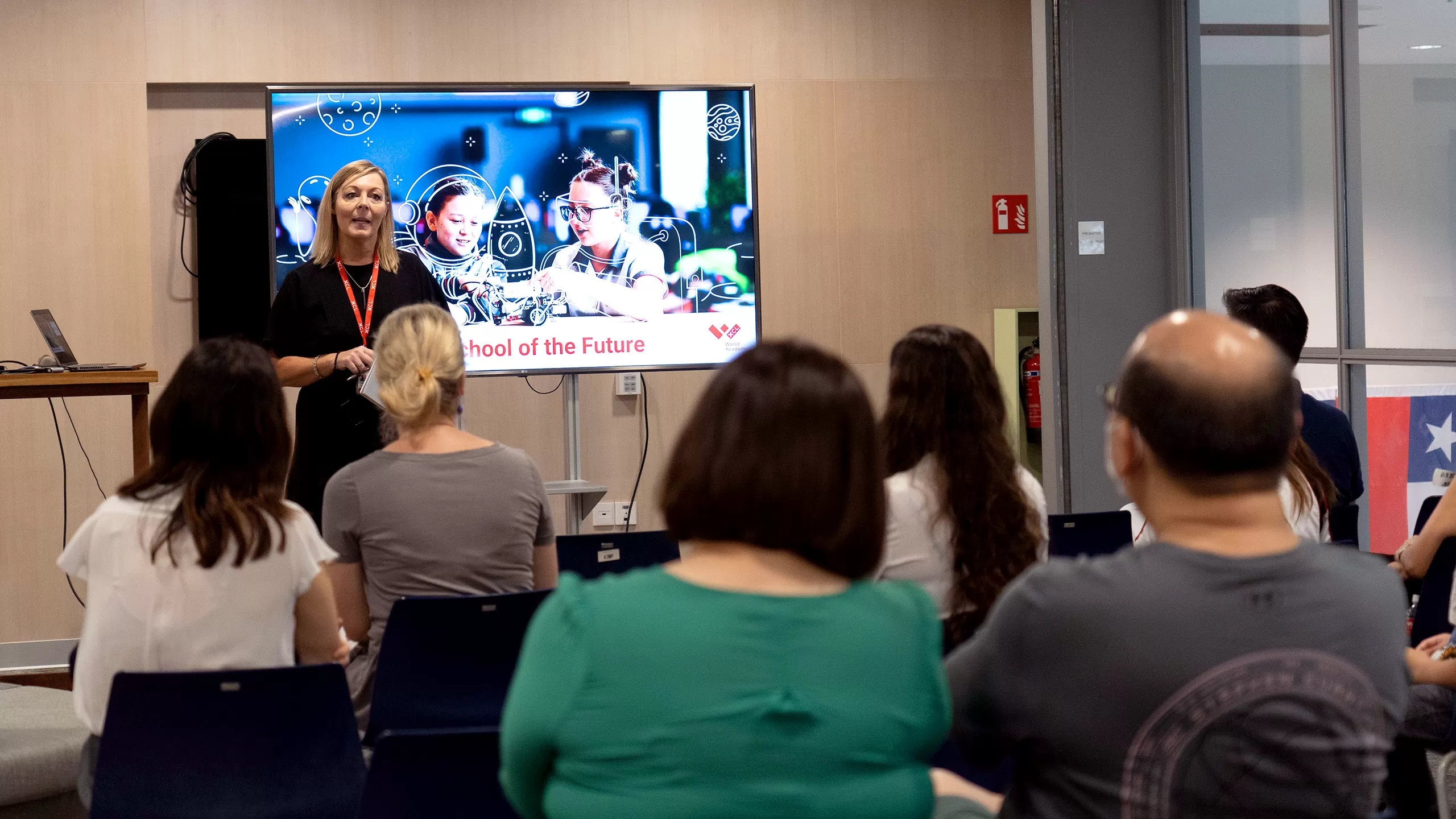
Moreover, we are committed to addressing students’ social and emotional well-being during the transition period and beyond. The school offers comprehensive counselling services and social-emotional support, equipping your children with the essential tools to navigate any challenges they may face as they embark on their journey in Singapore.
We go the extra mile to ensure your children feel welcomed and receive comprehensive support. We take pride in offering peer-to-peer support through our Student Ambassadors and Mentors programme, fostering our students’ sense of belonging and camaraderie.
Furthermore, as an expat family, we understand that having a robust support network is crucial. We foster a sense of belonging and encourage parental involvement through parent engagement workshops and community events. Our Parent Engagement And Connection Committee (PEACC), a dedicated parent-run volunteer group, organises engaging events such as family fun days, cultural food fairs, parent coffee social mornings, and more. By participating in these activities, you and your family can connect with other expats in Singapore, share your experiences, seek advice, and forge lasting friendships.
Nestled in a safe residential area surrounded by lush greenery, XWA is conveniently located just a 20-minute drive from Singapore City Centre. Accessible by car, public transport, and MRT, the school is surrounded by various housing options, including condos, townhouses, and HDBs. The area is filled with local markets, hawker centres, cafes, and the Northpoint shopping mall, offering residents and visitors diverse retail and dining choices.
If you are considering relocating to Singapore with your family and looking for an international school for your children, we encourage you to contact our Admissions Team without hesitation. They are available to discuss and guide you through this exciting new journey.
Disclaimer: All fees are accurate as of November 2023; however, prices may undergo annual adjustments. We recommend visiting individual websites for the latest and most accurate information.

.jpg)